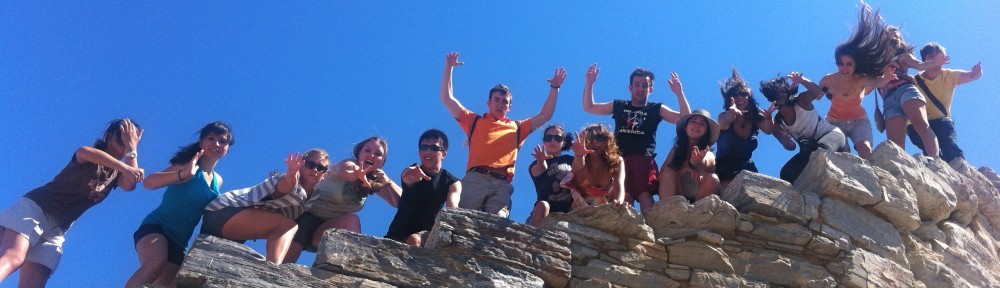
The remaining four

With merely four full days remain­ing, every­thing has become a count­down. Four group break­fasts under the orange groves, three morn­ing rehearsals, two tav­erna (tra­di­tional Greek) din­ners, one day until our class pre­sen­ta­tion in the ancient theatre.

When we left Athens it didn’t feel like an end, it felt like a new begin­ning: new town, new per­for­mance spaces, new (extremely gen­er­ous) land­lords, new home. We said good­bye but it wasn’t a depar­ture. It divided our six weeks, it was merely a continuation.

When we moved to Epi­dau­rus it didn’t feel like the pro­gram was near­ing a close, it felt like a new pro­gram entirely: new tav­er­nas to sam­ple, new dis­cov­er­ies in our mono­logues, new are­nas to rehearse in, new under­stand­ings of the plays. Now we’re say­ing good­bye again, but this time it is a departure.

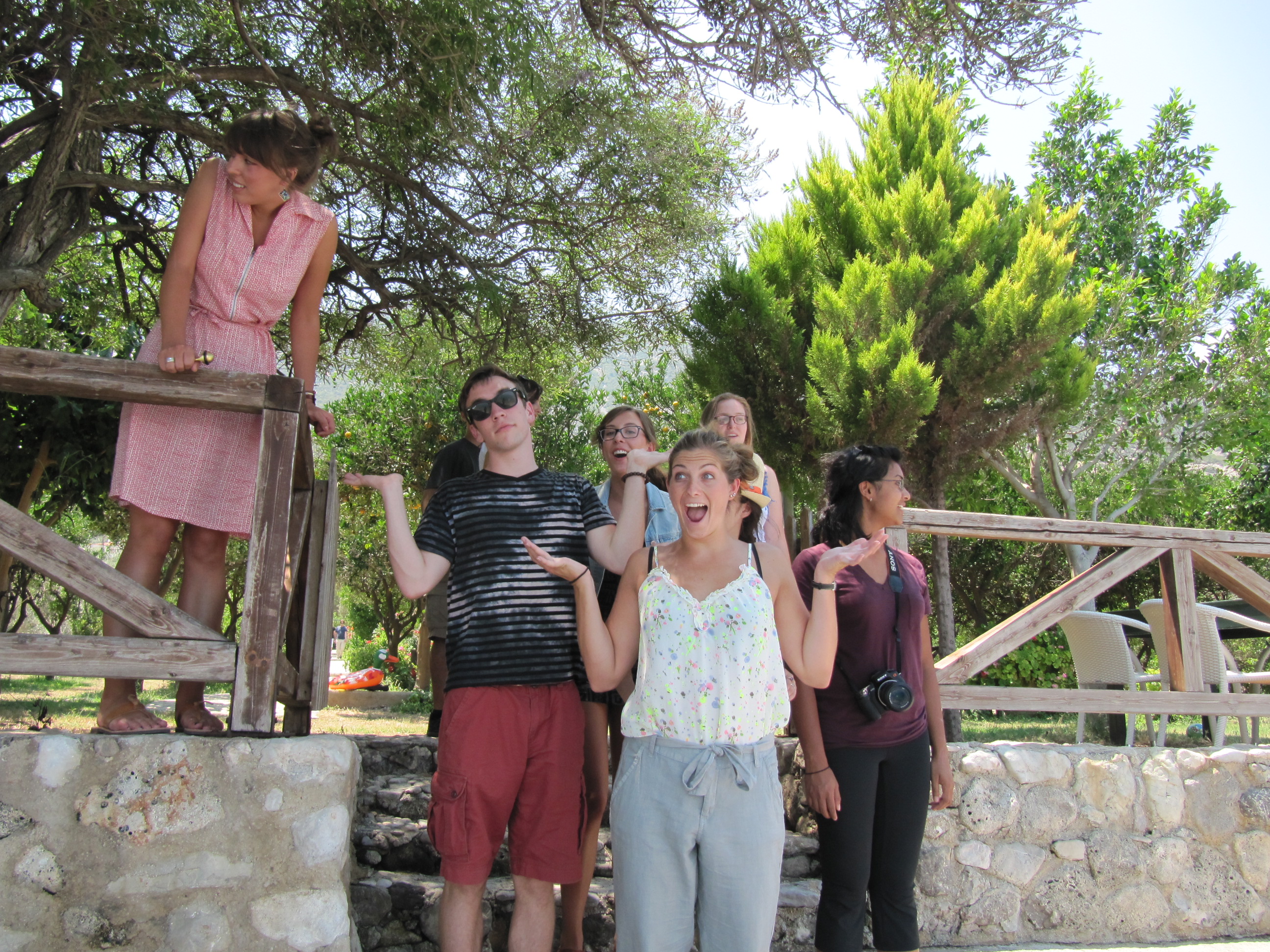
In four days we leave Greece. Returns will no doubt be in our future but we won’t ever return as a group or with the same pur­pose. Our group has become a fam­ily and we’ve grown fond of our daily rit­ual: each day we wake up and have a leisure break­fast together, then we rehearse for a few hours and present in the late after­noon and evening. We work on group cho­rus pieces, we present indi­vid­ual or small group scenes, and we respond to these scenes. At this point we are all work­ing on a few pieces. Each of us has one main piece which we’ve shown in class two or three times and devel­oped along the way. These main pieces have devel­oped tremen­dously; my class­mates are all very tal­ented, but I’m con­stantly floored by the work they all put into their pieces to strengthen them, exceed­ing expec­ta­tions with each new draft.  Six weeks spent study­ing these plays intensely and exten­sively has been quite a jour­ney for us all as we make them come to life.

About eight weeks ago we were told to read a dozen plays to pre­pare our­selves for what was to come. To be hon­est I found the plays a bit intim­i­dat­ing and even for­eign at times. It was dif­fi­cult to imag­ine putting cer­tain scenes on their feet, to con­nect to some of the lan­guage and char­ac­ters, and to under­stand the con­text in which these plays were writ­ten and per­formed. But now we can imag­ine, we have con­nected, we do under­stand, and that’s spe­cial. Now we’ve read them, reread them, mem­o­rized snip­pets, staged them, and per­haps the most impor­tantly, we’ve been able to con­tex­tu­al­ize them by rehears­ing at the sites where they were first staged and tour­ing the towns in which they were based.

These texts, being 2,500 years old, might not be the eas­i­est to access right away, but through trial and error, ded­i­ca­tion, focus, and time, we’ve each taken a mono­logue or scene apart and sewn it back together with our own nuanced under­stand­ing of the char­ac­ter, sit­u­a­tion, and play at large. Besides my class­mates gen­eral awe­some­ness, I think the main rea­son we’ve been able to sink our teeth so deeply in these texts is time.

For five weeks we didn’t have to jug­gle labs, finals, dance recitals, prob­lem sets, a capella arch sings, rehearsals, col­lege coun­cil meet­ings, and the read­ing load of three or four other classes.
For five weeks, we have focused solely on the forty or so extant Greek come­dies and tragedies and the his­tory sur­round­ing them.
For five weeks we were instructed in and out­side the class­room by two bril­liant pro­fes­sors who mas­ter the bal­ance of theatre’s aca­d­e­mic and prac­ti­cal sides and who are ever-encouraging us to push our­selves and our under­stand­ing of the plays.
For five weeks we’ve seen our class­mates become Medea, Cas­san­dra, Diony­sus, Antigone, Clytemnes­tra, Oedi­pus, and oth­ers. We’ve made Agamemnon’s watch­man a slam poet, Tecmessa a Span­ish slave, Menelaus a British explorer, Helen a real house­wife of Argos, the furies a 90s girl band, Lysis­trata char­ac­ters shadow pup­pets among many, many, many other orig­i­nal inter­pre­ta­tions. We’ve adapted the story of Helen and Menelaus twice–both in ways untried and imag­i­na­tive, Aristo­phanes’ Frogs to pro­vide com­men­tary on the 2012 pres­i­den­tial elec­tion, Prometheus and Io’s story to make it a mod­ern radio drama, and Aristo­phanes’ Knights to roast every­one in our group.
For five weeks we’ve felt Diony­sus enter our class­room.
For five weeks we’ve waged agons (com­pe­ti­tions) over mat­ters big and small, just as the Greeks did.
For five weeks we’ve immersed our­self in Greek cul­ture, ancient and mod­ern, which has greatly improved our under­stand­ing of how, why, and where the­atre began.
For five weeks we’ve seen roughly ten shows in three dif­fer­ent lan­guages and learned from them all.
For five weeks we’ve spo­ken to and worked with Greek actors, direc­tors, and pro­fes­sors all of whom stress how the­atre was a part of soci­ety in a way we can no longer fathom. How the the­atre was a place for every­one — men’s atten­dance was manda­tory — and a place where soci­ety could be crit­i­cized, where sto­ries that moved masses could be shared, where mutual expe­ri­ences were had and appre­ci­ated by all.
For five weeks we’ve won­dered why this is no longer the case.

And now we have four days.

For­tu­nately, I’m cer­tain that the lessons, the thoughts, the progress, the won­der­ing, the curios­ity, and the dis­cov­er­ies will con­tinue far beyond these four days. We’ll make the most of these remain­ing four and carry what we’ve learned back to Prince­ton and far beyond.

Seeing the Actors!

Jul. 15th, Sun­day

This morn­ing, two actors, Alexan­dros Mylonas (who played Socrates) and Nikos Psar­ras (who played Just Dis­course) from The Clouds came to Magda! I have to admit that as they slowly walked towards us through the gar­den, I could not believe my eyes. Last night, I could only watch them from a dis­tance, amazed by the amount of power that’s con­veyed through their char­ac­ters on stage, but today, I got to talk to them face to face!

What sur­prised me fur­ther was that both actors had study abroad expe­ri­ences in Amer­ica. The actor who played Socrates, Alexan­dros Mylonas told us his study abroad story. Dur­ing the dic­ta­tor­ship era in Greece, his father was impris­oned and exiled to an island by the gov­ern­ment. In order to get an edu­ca­tion for him­self, Alexan­dros fought with the gov­ern­ment to get a pass­port and made his way to United States and UK to pur­sue his child­hood dream of being an actor. As an immi­grant myself, I under­stand the amount of effort and courage it took to fight against all obsta­cles and to restart out from scratch in a new coun­try. I guess that the rea­son he could become an actor and could still remain being an actor was that he always had faith in this pro­fes­sion and always fought with real­ity for oppor­tu­ni­ties. As both actors told us, being an actor is hard, no mat­ter where one is. It’s not just because of the com­pe­ti­tion that’s exis­tent, but also because it is chal­leng­ing to remain truth­ful to this cho­sen pro­fes­sion and to always devote one­self to build­ing worth­while char­ac­ters when exter­nal cir­cum­stances go astray. This reminds me of what Tim once told the class, act­ing is never about putting one­self into spot­light. It’s about cre­at­ing and giv­ing life to a new char­ac­ter. This process demands ded­i­ca­tion and focus, with the end­point not being per­fec­tion, but rather a step closer to perfection.

Hear­ing these words from two pro­fes­sional actors who devoted their lives to act­ing made me think a lot, not just about act­ing but about choos­ing a pro­fes­sion in real life. Accord­ing to Nikos, the use of micro­phone in the per­for­mance last night was the director’s idea. He per­son­ally thought that it was too fash­ion­able and would poten­tially infu­ri­ate the Greek audi­ence who val­ued the tra­di­tion of per­form­ing ancient drama in orig­i­nal styles (with the use of nat­ural acoustics). How­ever, as an actor, he would only leave these doubts “in the dress­ing room.” I think this is not just true for being an actor. In every pro­fes­sion, and espe­cially in per­form­ing arts indus­try, one has to bal­ance per­sonal needs to express and enact one’s own ideas with the group’s inter­est and har­mony. As for act­ing, it is never about prov­ing to the audi­ence how good one is in act­ing; rather, it is about how one can best cre­ate a char­ac­ter that works best for the whole pro­duc­tion as a whole. Also, Nikos gave us advice that if one wants to become an actor, read­ing and keep­ing one­self updated are always vital. As I learn more and more about act­ing from this sem­i­nar, I truly feel that in order to become a good actor, it is impor­tant to be well trained (voice, body, move­ments, etc.). How­ever, act­ing is never just about these basics. It is a mul­ti­dis­ci­pli­nary sub­ject. In order to cre­ate and bring to life a dynamic, pow­er­ful char­ac­ter, one first has to allow one­self the time to enrich one’s knowl­edge base about the world and to con­tem­plate about the dynam­ics between coun­tries, between cul­tures, and between peo­ple in today’s world. And these reflec­tions are fuel for actors to gen­er­ate char­ac­ters that are relat­able and pow­er­ful: char­ac­ters in that trig­ger more dis­cus­sions and thoughts amongst the mod­ern audience.

This idea goes back to the dis­cus­sion the class had a while back about per­form­ing ancient drama in today’s mod­ern world. The rea­son that the sta­dium was still packed with audi­ence for an ancient drama like Clouds is that all the humor and all the jokes gen­er­ated in the pro­duc­tion are rel­e­vant to today’s world real­ity. The ancient drama is pow­er­ful because they allow us to use the past as mir­ror to exam­ine the present and that they trig­ger us to reex­am­ine the past in cre­at­ing a bet­ter future.

Alexan­dros and Nikos also allowed us to have a bet­ter under­stand­ing of the per­for­mance last night and the process of putting together such per­for­mance in the ancient the­atre. The pro­duc­tion intended to cre­ate a Socrates as an irri­ta­ble and snob­bish char­ac­ter and to con­trast that with a nar­ra­tor (a reflec­tion of the real Socrates) who is con­trolled and schol­arly. This con­trast res­onated with the con­trast of the old school edu­ca­tion and sophistry that was being pre­sented in the show, esca­lat­ing the ten­sion of the show. As Nikos said, the pur­pose of the show is to have audi­ence leave the sta­dium feel­ing “skep­ti­cal” about tra­di­tions, includ­ing the tra­di­tion ideal of Socrates. There were a few things that struck me through the dis­cus­sion. One was the actors’ lack of effort in cre­at­ing humor. When some of us asked the actors the mechan­ics of com­ing up with a big joke that would make every­one in the audi­ence laugh, the actors looked at us in con­fu­sion and said, “we just come up with a few things that we know peo­ple will under­stand, and wait for it.” I think this is a valu­able point for all of us to con­sider. A lot of time we think very hard to come up with a joke, but we for­get about our audi­ence. In fact, if we know our audi­ence well and know how to relate to them, we will always have mate­r­ial for humor. Even if we come up with very hilar­i­ous con­tent, but if they are not within the con­text for the audi­ence to under­stand, there will be no effects. Also I was sur­prised about the amount of impro­vi­sa­tions that were exis­tent in the pro­duc­tion. The actors revealed to us that a lot of the jokes that the actors came up in the pro­duc­tion were in fact impro­vised on stage. This is another rea­son why the­atre is so fan­tas­tic. The audi­ence and the actors together cre­ate an energy. The actors rely on the audience’s response to make the energy more sus­tain­able and more enter­tain­ing. The audi­ence enjoys the per­for­mance but also takes part in the per­for­mance in a sub­tle way.

I really appre­ci­ate that Tim, Michael, Mariel and oth­ers work so hard to con­tact so many won­der­ful, tal­ented actors, direc­tors and pro­fes­sors to come and talk to us. They inspired me so much not just about the­atre but also about life after col­lege. In fact, more and more I feel that this sem­i­nar is not just about the­atre, it’s about refin­ing and broad­en­ing our own per­spec­tive as a young adult. Through the­atre, we find a com­mon energy, despite the dif­fer­ences in our race, our back­ground and our val­ues. Together, we raise ques­tions about our­selves and about the world around us. Together, we face the obsta­cles present and reflect on our respon­si­bil­i­ties as a world citizen.

Wow I wrote a lot. Sorry for not updat­ing our blog often. The inter­net here is hiber­nat­ing most of the time. Thanks to those who always fol­lowed our blog. Our hearts are with you guys…

Until next time,

Lily

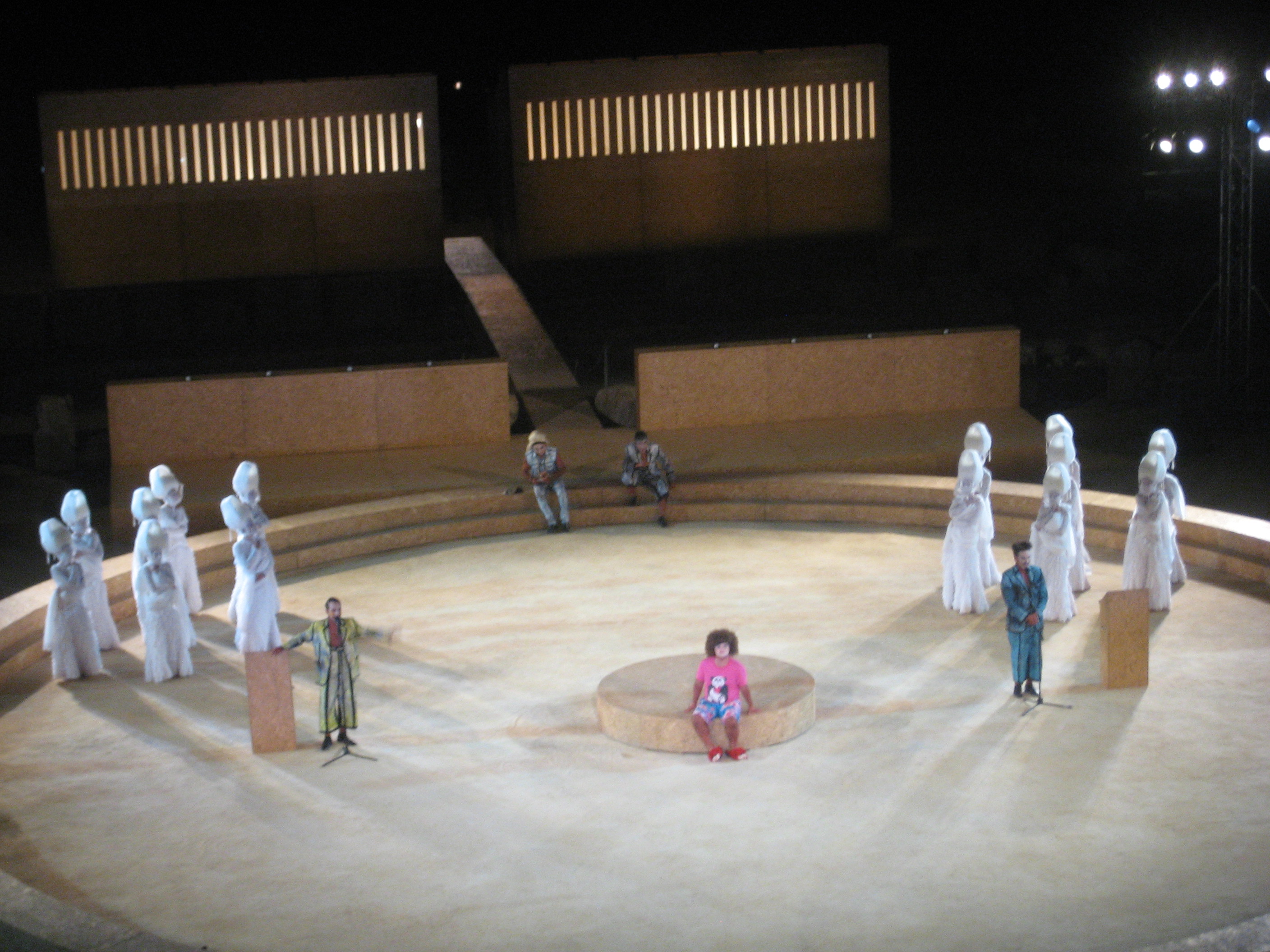
Small peaks of the performance The Clouds

The Clouds by Aristo­phanes per­formed by the National The­atre of Greece

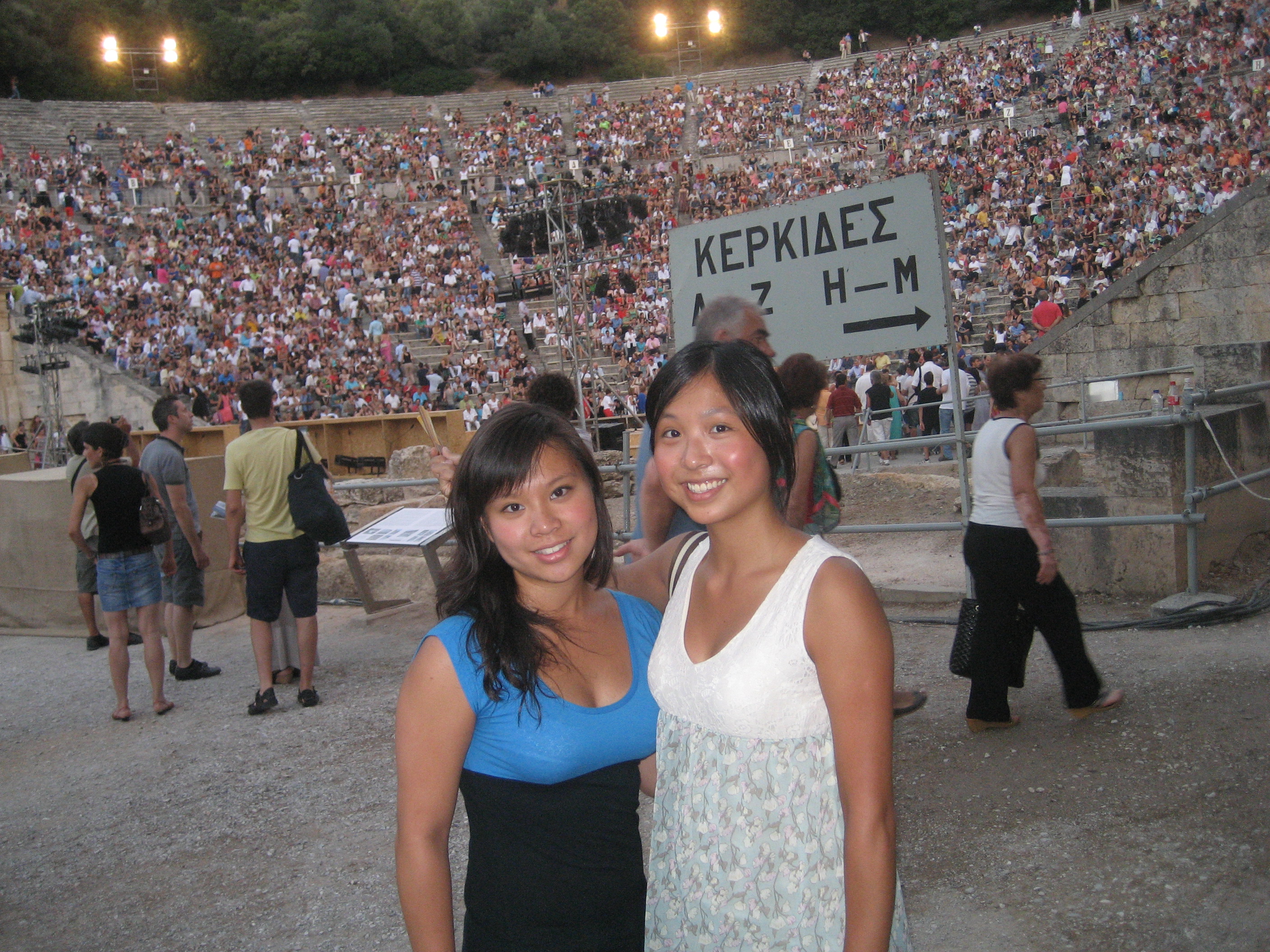
The sta­dium was almost fully packed.

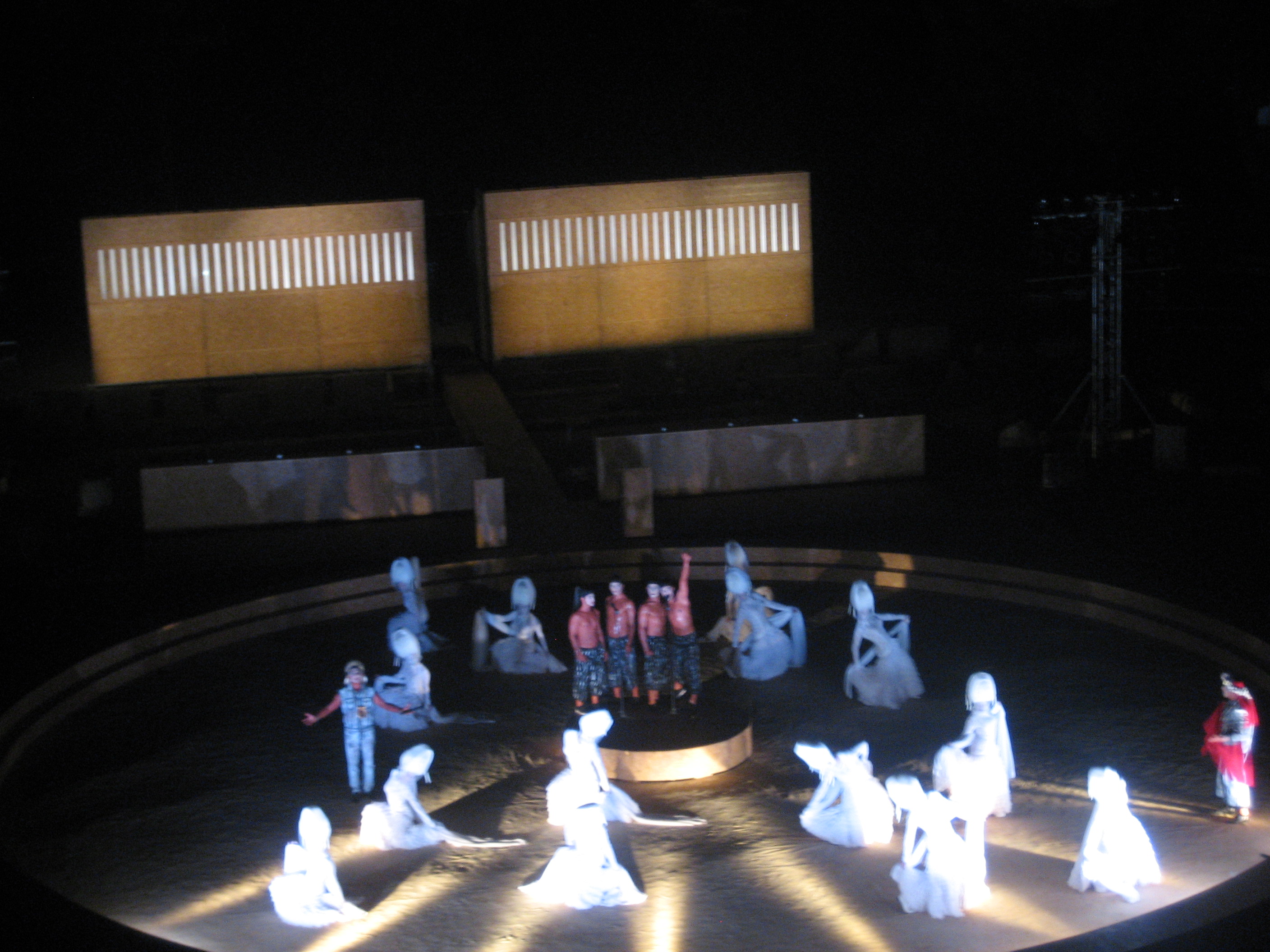
Small peaks of the performance, The Clouds by Aristophanes in the ancient theatre of Epidaurus

The father and Socrate’s students

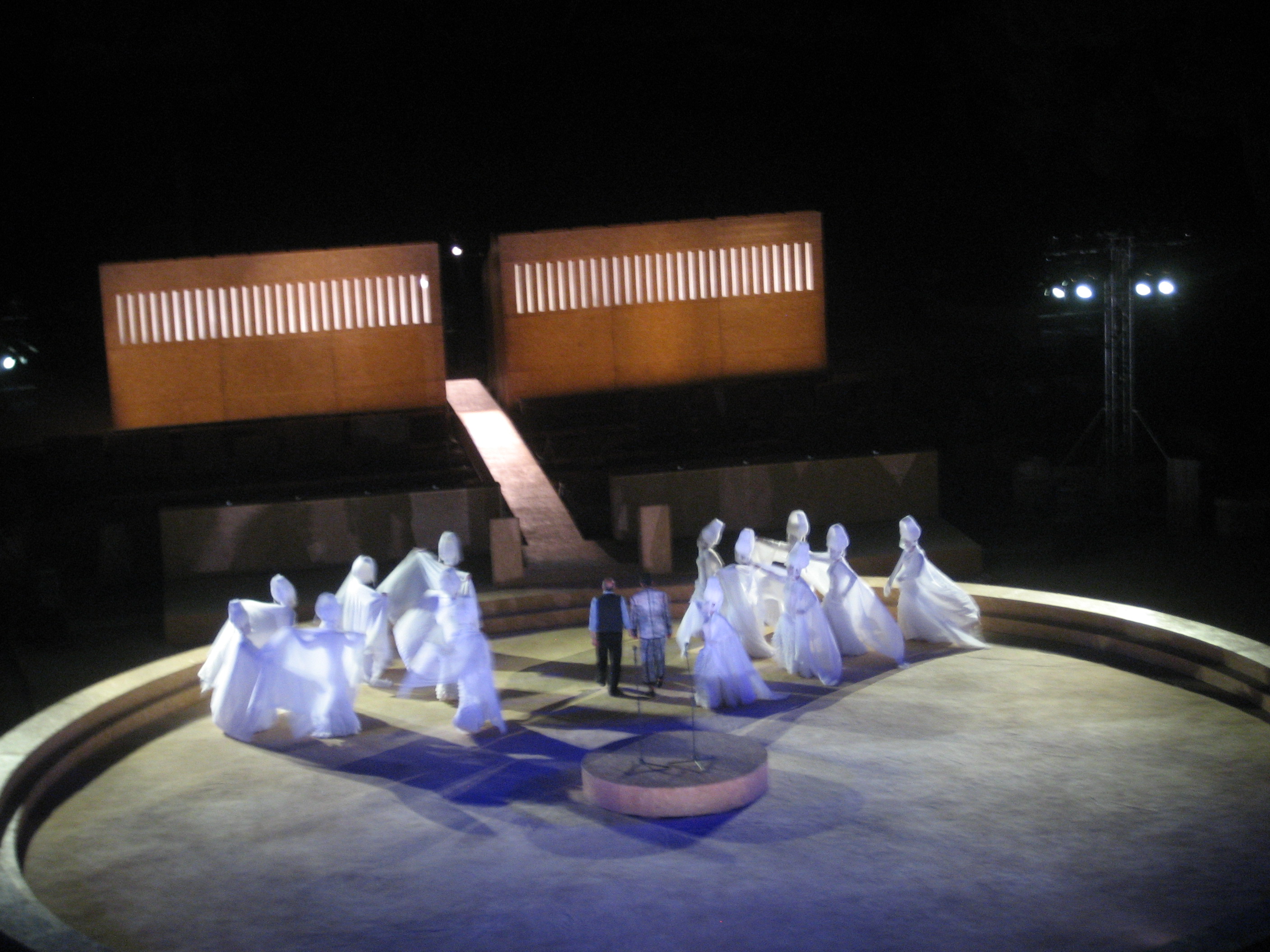
The Chorus

The chorus–the clouds

The agon between the Just Dis­course and the Unjust Discourse

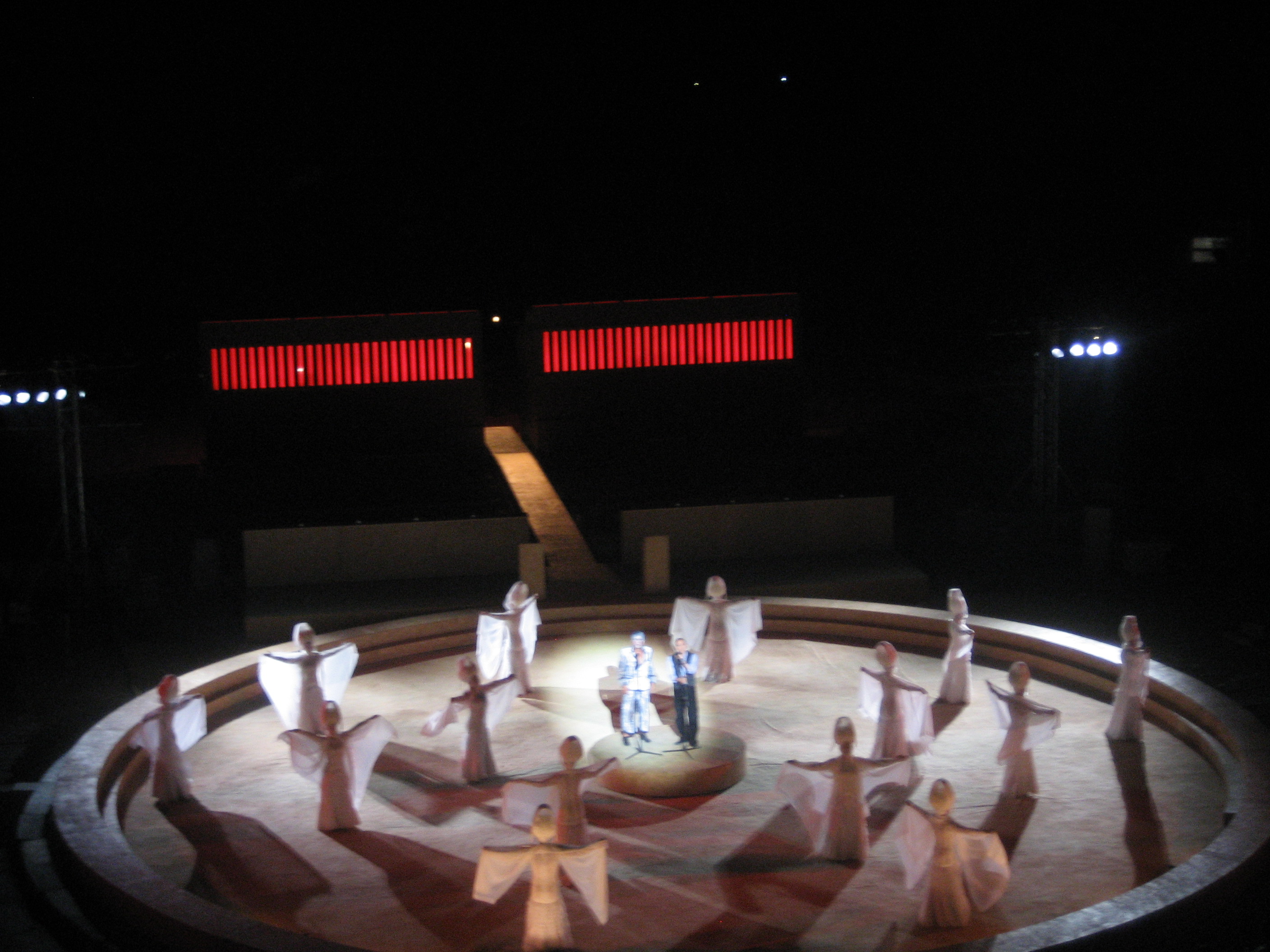
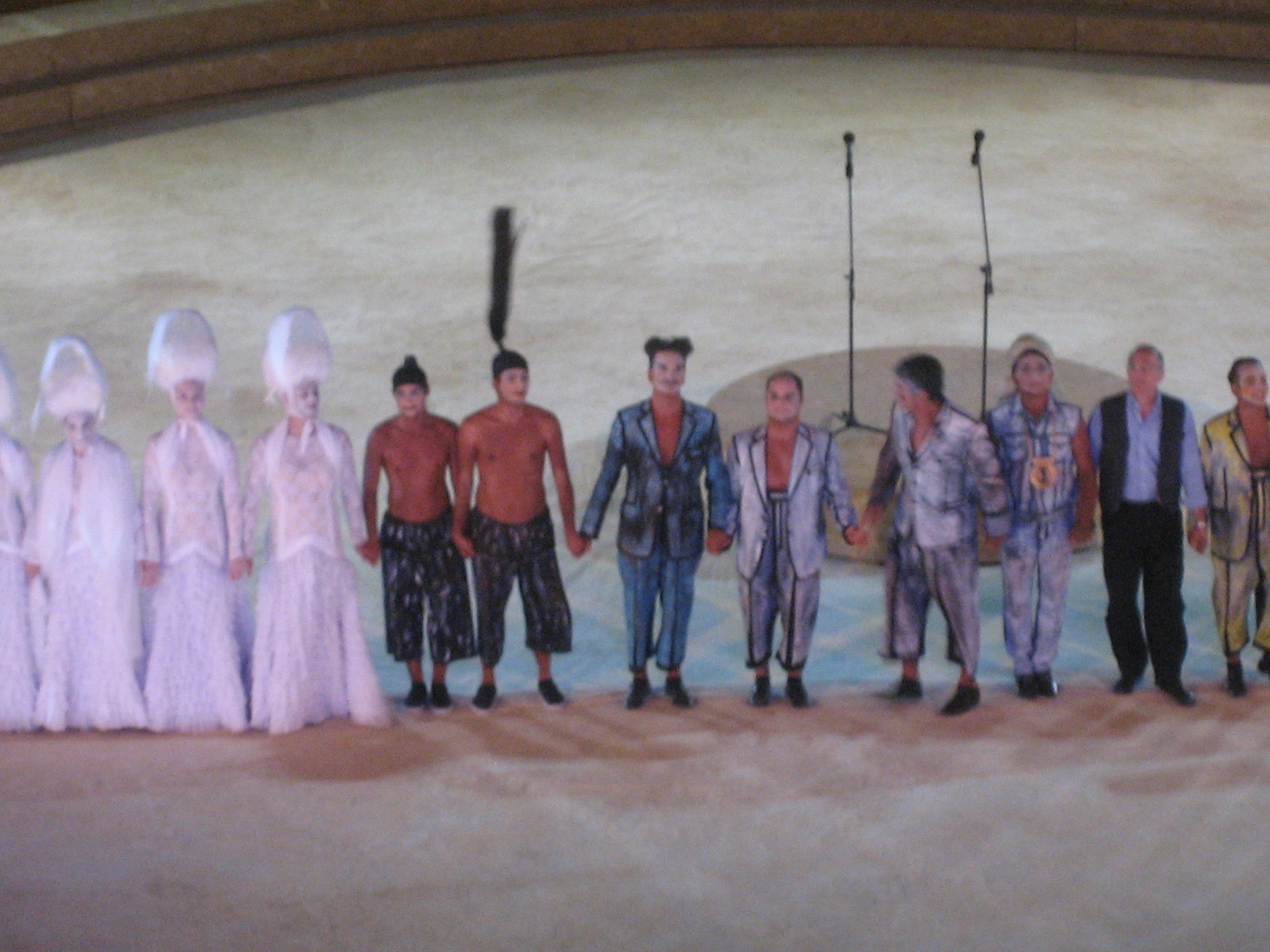
Curtain call

The cur­tain call


Shhh.. Don’t fol­low my exam­ple! No pho­tog­ra­phy allowed in the ancient the­atre. Well, for our blog fol­low­ers, any­thing is worth it!


Ciao,
Lily

So far at Epidaurus!


Good day everyone!

Time goes quickly; we are one week away from fin­ish­ing the sem­i­nar! :(

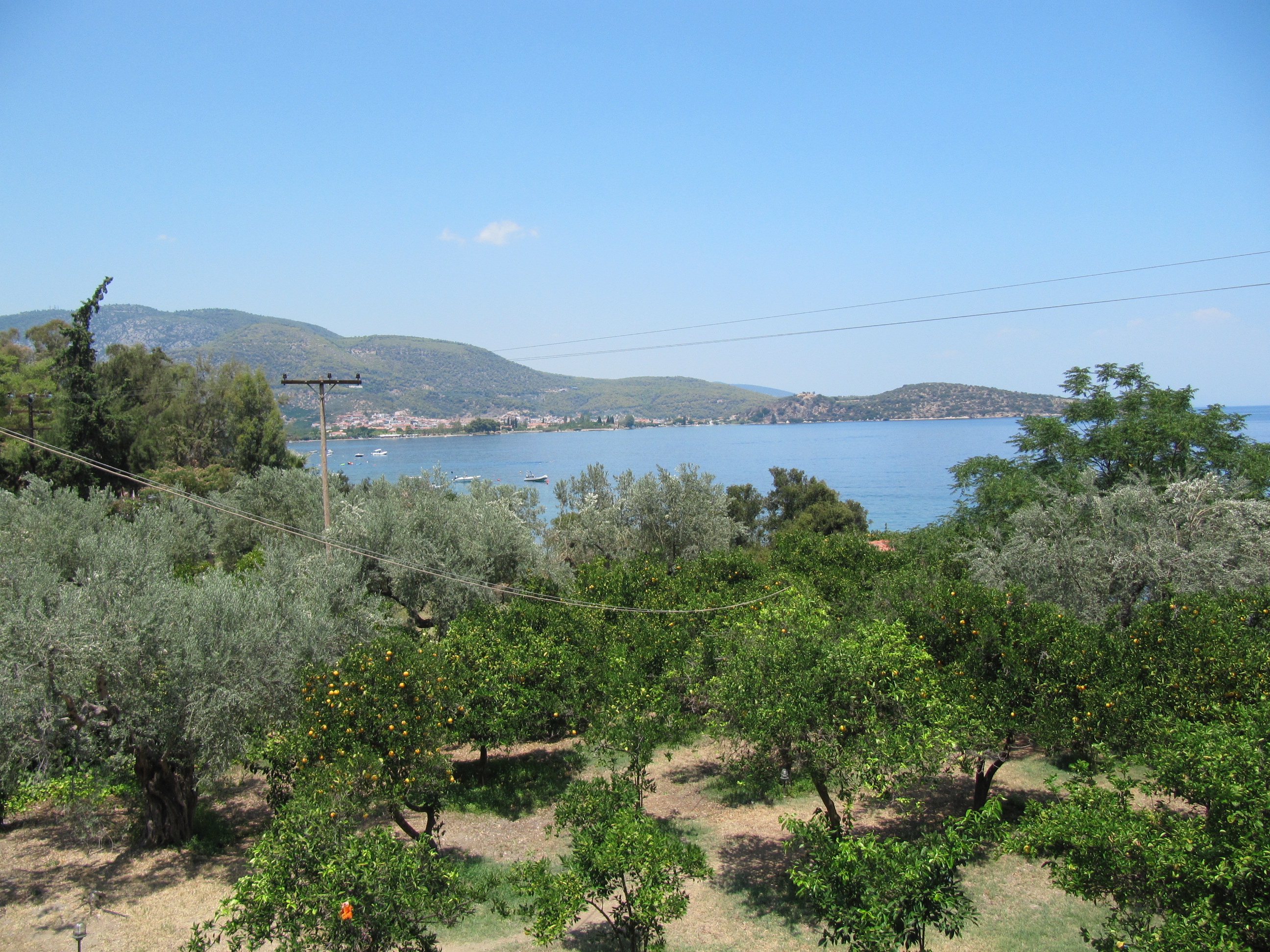
Since com­ing to Epi­dau­rus, we’ve spent a sig­nif­i­cant amount of time rehears­ing for our per­for­mance. Our hotel, Hotel Magda is 40mins away from the neari­est town. There is noth­ing nearby but a beach, the Aegean sea and a beau­ti­ful gar­den. As Tim aptly put it, we are on a “retreat”. We have plenty of space here for brain­storm­ing and reflection.

Indeed, Epi­dau­rus has def­i­nitely proved to be con­ducive for the­atre work. We have had many great the­atre per­for­mances pre­sented this week. This morn­ing we saw really good sec­ond drafts: Julia’s speech as Cas­san­dra, Juliete’s speech as Madea, Cather­ine and Mary Lou’s adapted scene from Frogs, Savan­nah speech as Clytarnes­tra, Cather­ine and Kanoa’s slang poem on Prome­bius Bound.

Later in the evening, we saw an adapted ver­sion of Clouds by the National Greek The­atre. Michael gave us an brief talk on the per­for­mance and com­edy before we went there. A few high­lights of the points he made:

–Unlike tragedy, ancient Greek com­edy always needs to be adapted to be understood.

–Clouds ridiculed Socrates and the play was thought to be one of the rea­sons that led to the trial of Socrates

–Com­edy was deemed less respectable to tragedy. This is in some sense still true today; Oscar best come­dian award is always given last.

–Com­edy and tragedy the­atre were thought to be really dif­fer­ent in ancient Greece. Young males had to take part in the cho­rus of a tragedy to become a man in the society.

–How­ever, nowa­days the Aristo­phanic spirit often creeps in, i.e. peo­ple have the incli­na­tion to turn a tragic play to a comedic one. Rachel has writ­ten a play on the house­hold of Menelaus and Helen in an urban set­ting after their voy­age from Troy. Annika has writ­ten a play on Menelaus after Helen left Sparta for Paris.

–A few quotes that Michael men­tioned: “Com­edy is tragedy in the long shot”, “This world is a tragedy for those who feel, com­edy for those that think.”

The Clouds per­for­mance was mag­nif­i­cent. The cos­tume and set were def­i­nitely more extrav­a­gant than what we saw in Oedi­pus the Rex. The clouds wore white dresses and tall hat, everyone’s faces were pow­dered in white,  Phidip­pi­des had a punky hair wig, Socrates also had wig of long blond hair tied up etc. Although we did not get most of the jokes that the actors made –since it was in Greek, we could tell from all the laugh­ters from the audi­ence that the plot was very enter­tain­ing. Some­thing that sur­prised some of us was the use micro­phones. The Epi­dau­rus the­atre had the best acoustics amongst other out­door the­aters, yet there were two micro­phones on stage that actors con­sis­tently used.

Tomor­row, the actors from Clouds will be com­ing over to our hotel to talk to us. So we will get to learn more about what we saw tonight!

Ear­lier this week, the cho­rus direc­tor of the National Greek The­atre, Tsala­houris Phili­pos, also came over and gave us a work­shop on the use of cho­rus in Greek tragedy. He talked to us a bit about how direc­toap­peased to think of cho­rus and told us that it ini­tially seemed like a big prob­lem to direc­tors because it is present on stage through­out the entire per­for­mance. How­ever, Tsala­houris said that there are actu­ally ways a cho­rus can help bring out the ele­ments in the play. By estab­lish­ing the role of cho­rus, we can fur­ther define a char­ac­ter through his rela­tion­ship with the cho­rus. The cho­rus can pro­duce sim­ple rhyth­mic sounds in the back­ground to set up the ten­sion or the atmos­phere of the scene. Since the cho­rus rep­re­sent a more or less  uni­form entity, their move­ments need to be uni­fied.  Tsala­houris taught us how birds were enacted in Aristo­phanes’ play Bird, as well as farm­ers and old war­riors in other plays. We learnt a lot in the work­shop and many of us have applied the tech­niques to the scenes we have been rehearsing.

Although we are near­ing the end of the sem­i­nar, our energy and enthu­si­asm have only increased! Our under­stand­ing of the­atre has deep­ened so much this week from rehearsals, feed­backs we get in act­ing class, the­atre per­for­mance we saw and meet­ing with peo­ple in the field. I look for­ward to next week and our meet­ing with the actors tomorrow!

Have a great weekend (Καλό σαββατοκύριακο),

Po

General update!

Yasas! Hello there!

This blog has been less than active the past week, but that hardly reflects our level of activ­ity. In fact, they oper­ate quite inversely. The past seven days have likely been the busiest we’ve had yet and our blog, unfor­tu­nately, suf­fered slightly.

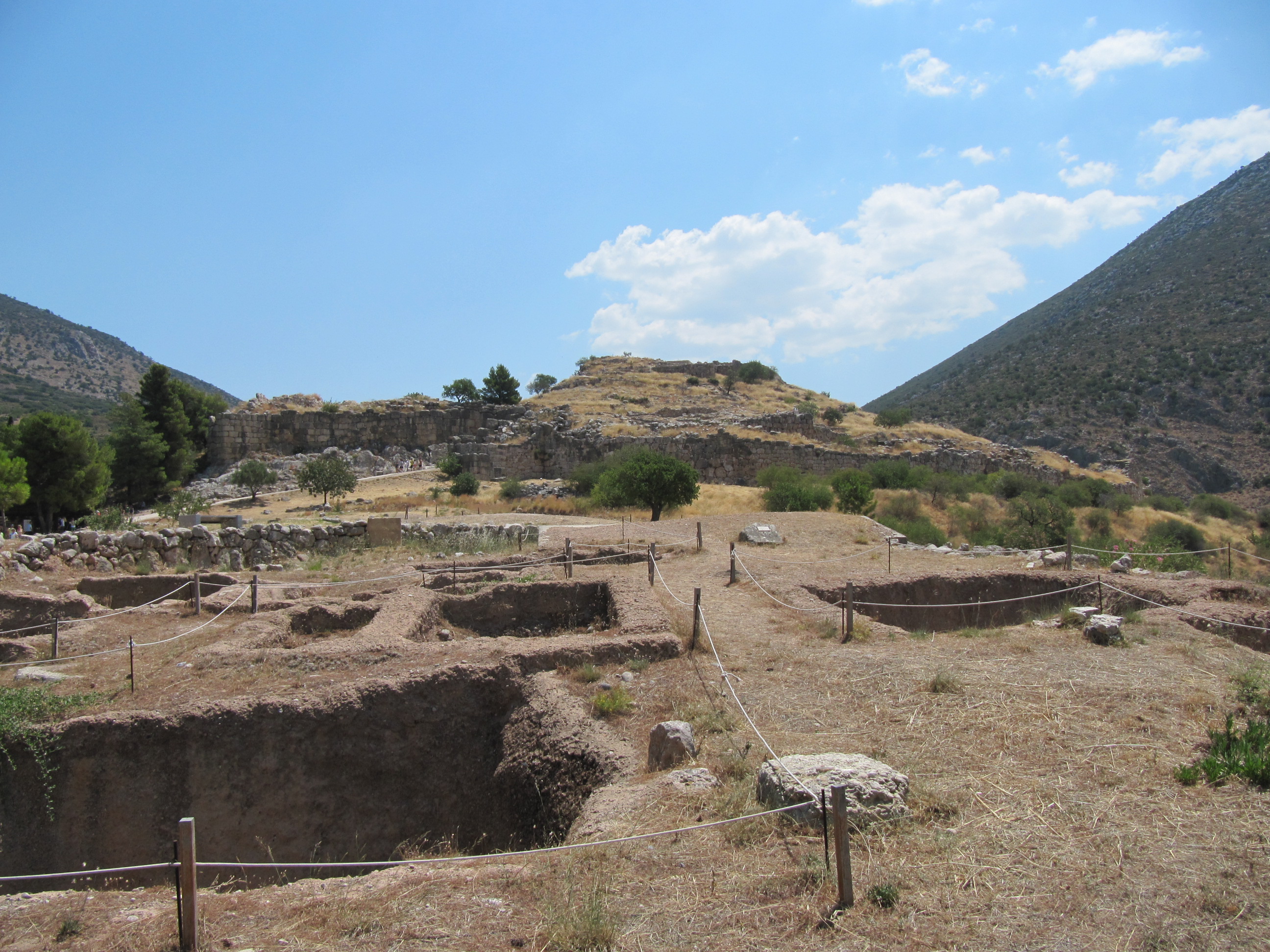
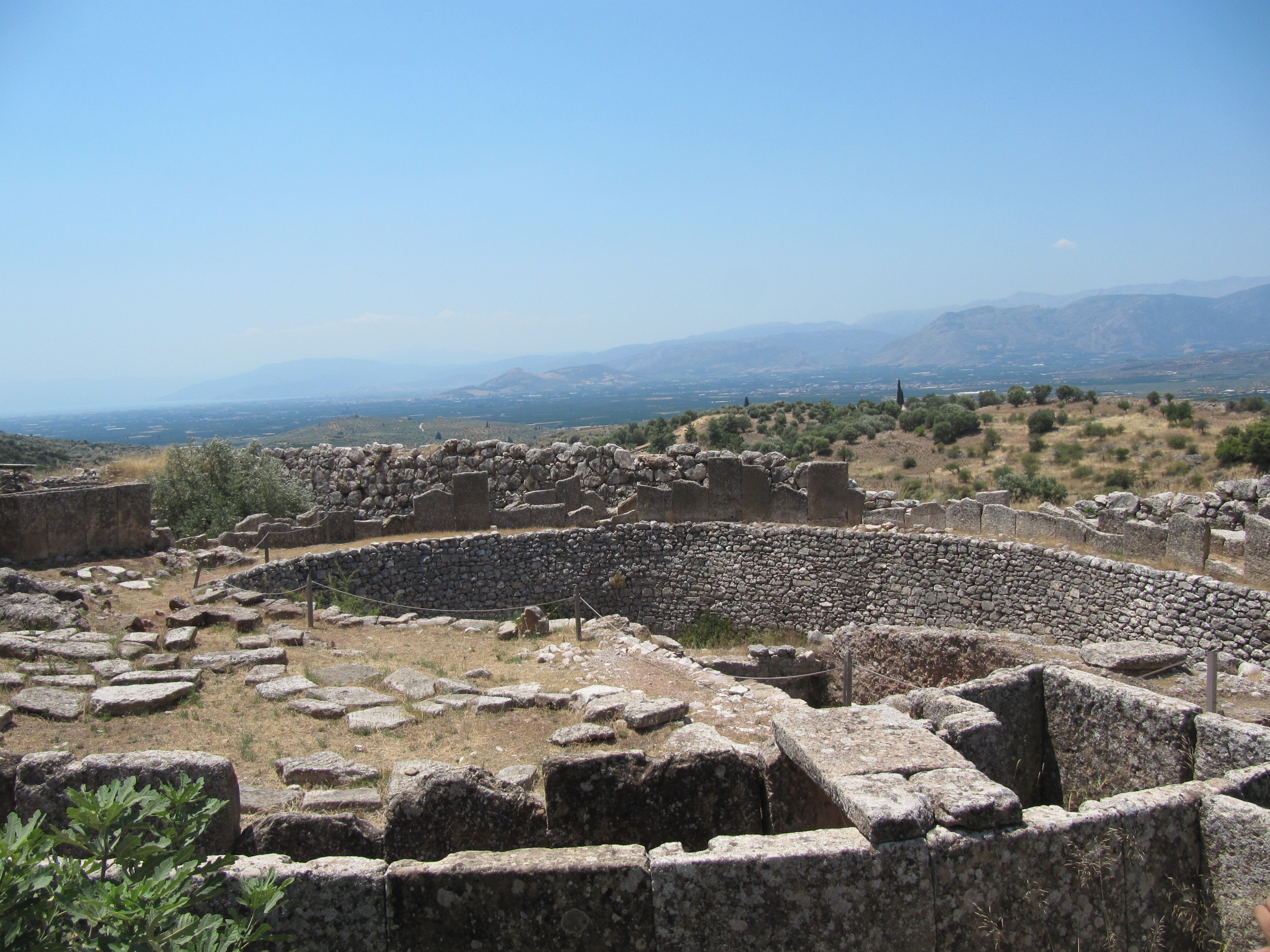
The biggest news of late is our loca­tion change. We spent the first four weeks of our pro­gram in Athens with day trips to towns and islands in the area. On Fri­day we said good­bye to Athens and ven­tured to Myce­nae, an archae­o­log­i­cal site south­west of Athens. Myce­nae was fas­ci­nat­ing but it wasn’t our final destination.

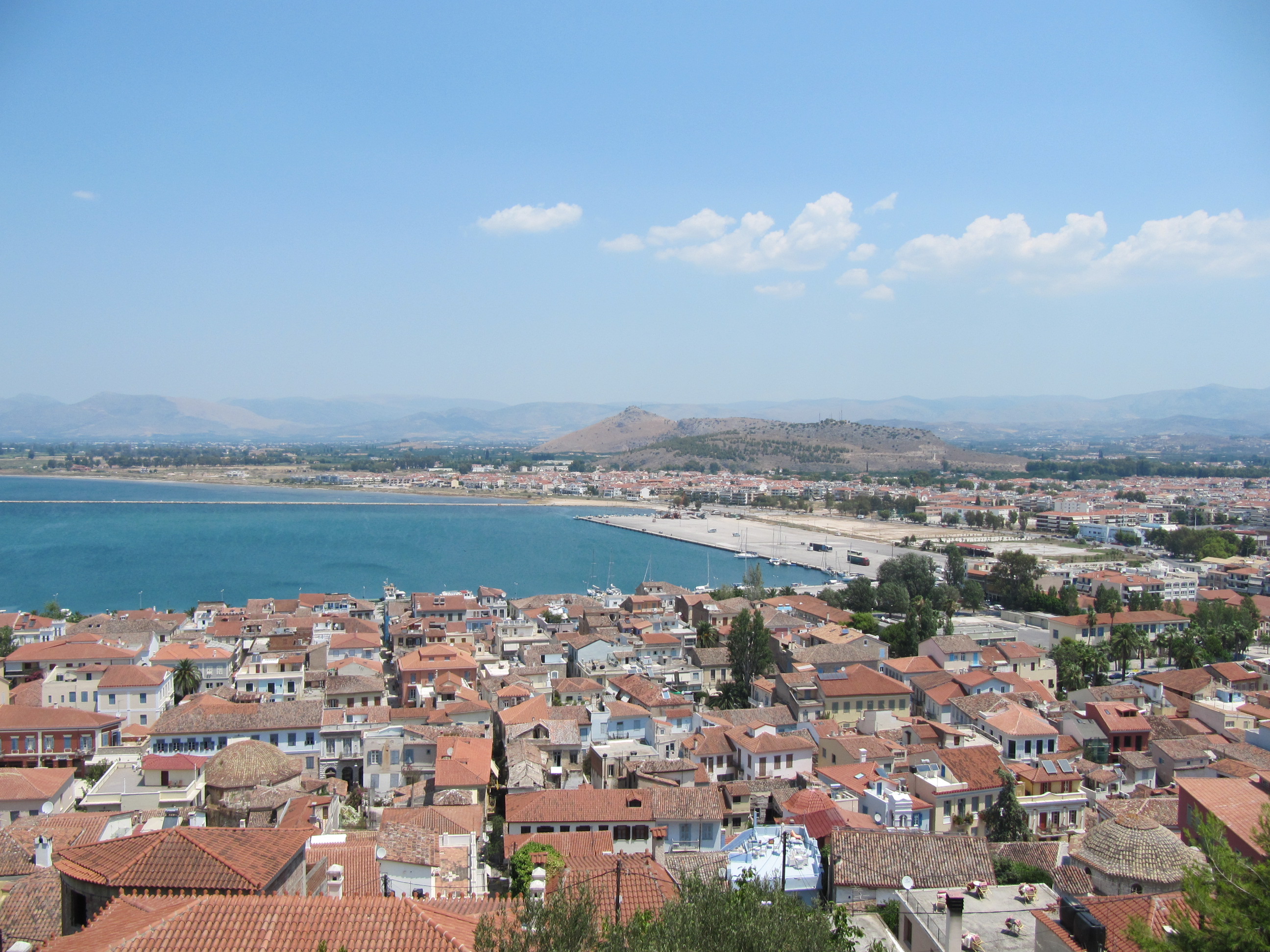
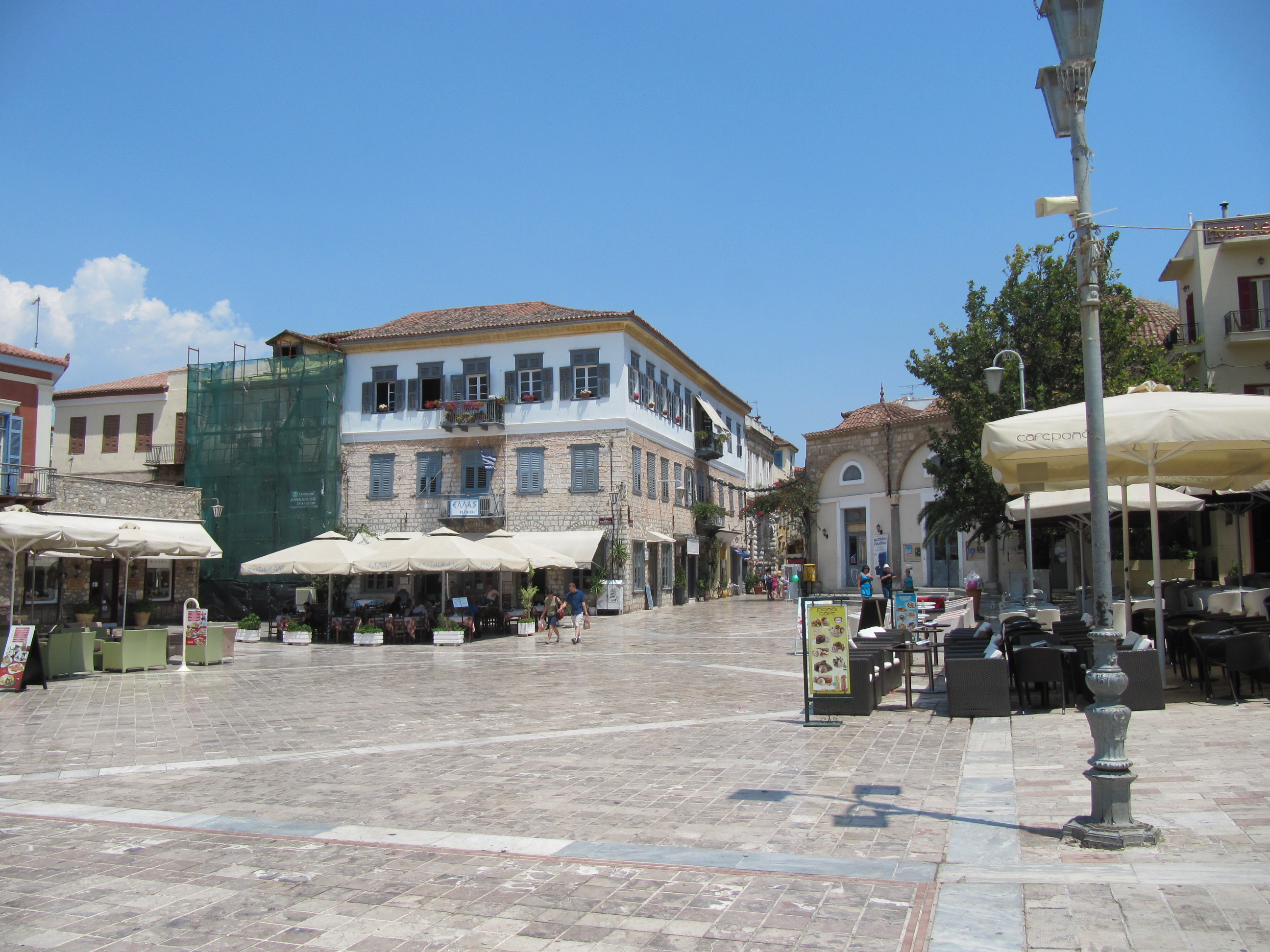
From there we moved to Naf­plion, a gor­geous sea­side town, where we explored cas­tles and fortresses, dined at gela­te­rias and tav­er­nas, and shopped for kom­boloi (worry beads).

The main square in Nafplion.

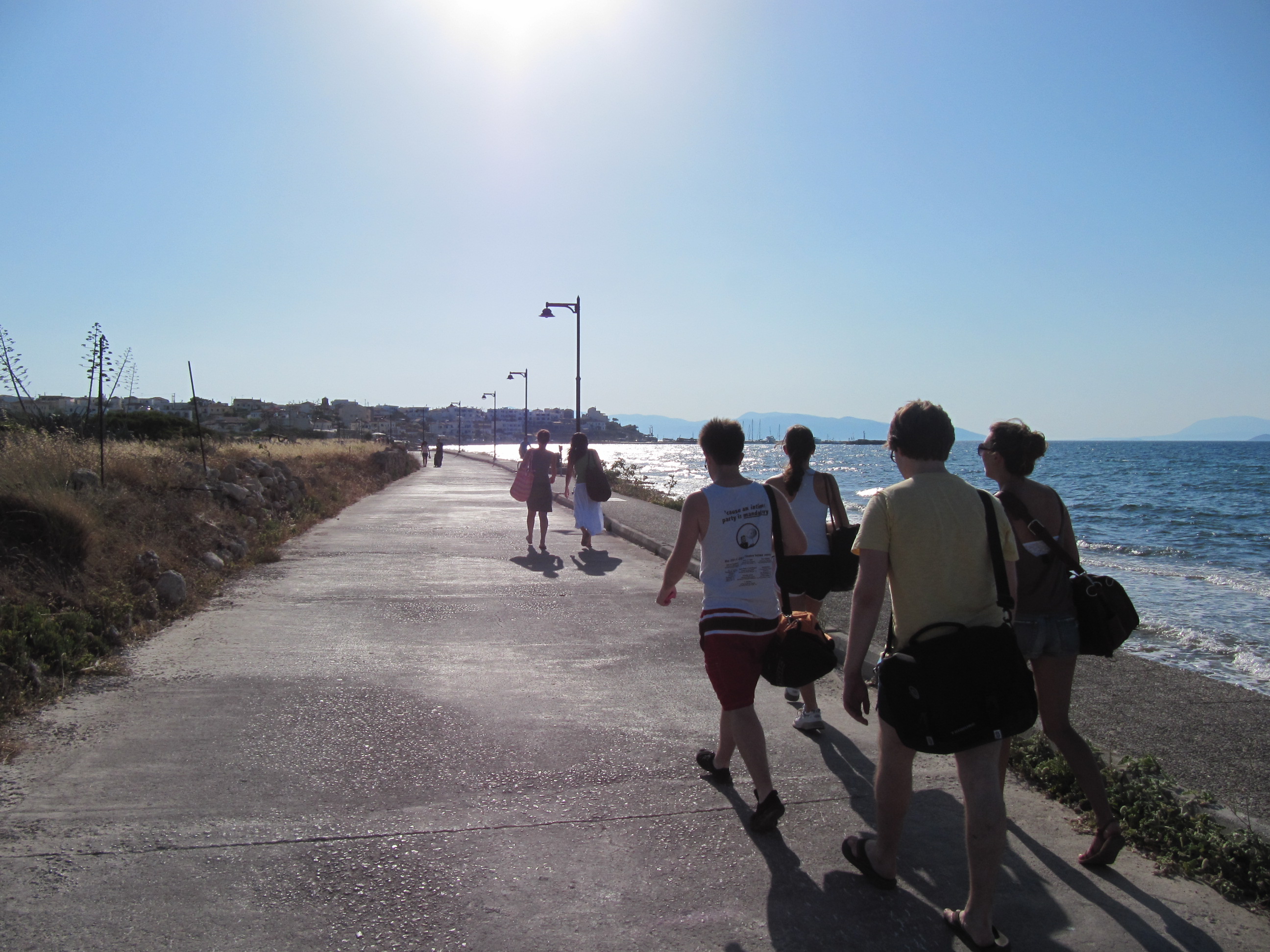
On Sun­day we moved to Epi­dau­rus, famed for its ancient the­atre. We moved just in time for the start of the Epi­dau­rus fes­ti­val. Epi­dau­rus is divided into an old and new town and we’ll actu­ally be spend­ing most of our time at our apart­ment com­plex about 20 min­utes by bus from Ancient Epi­dau­rus.  These pho­tos show why there’s not a com­plaint to be had about our new home:


Upon arriv­ing at the beach

We’re pretty con­tent with our new residence

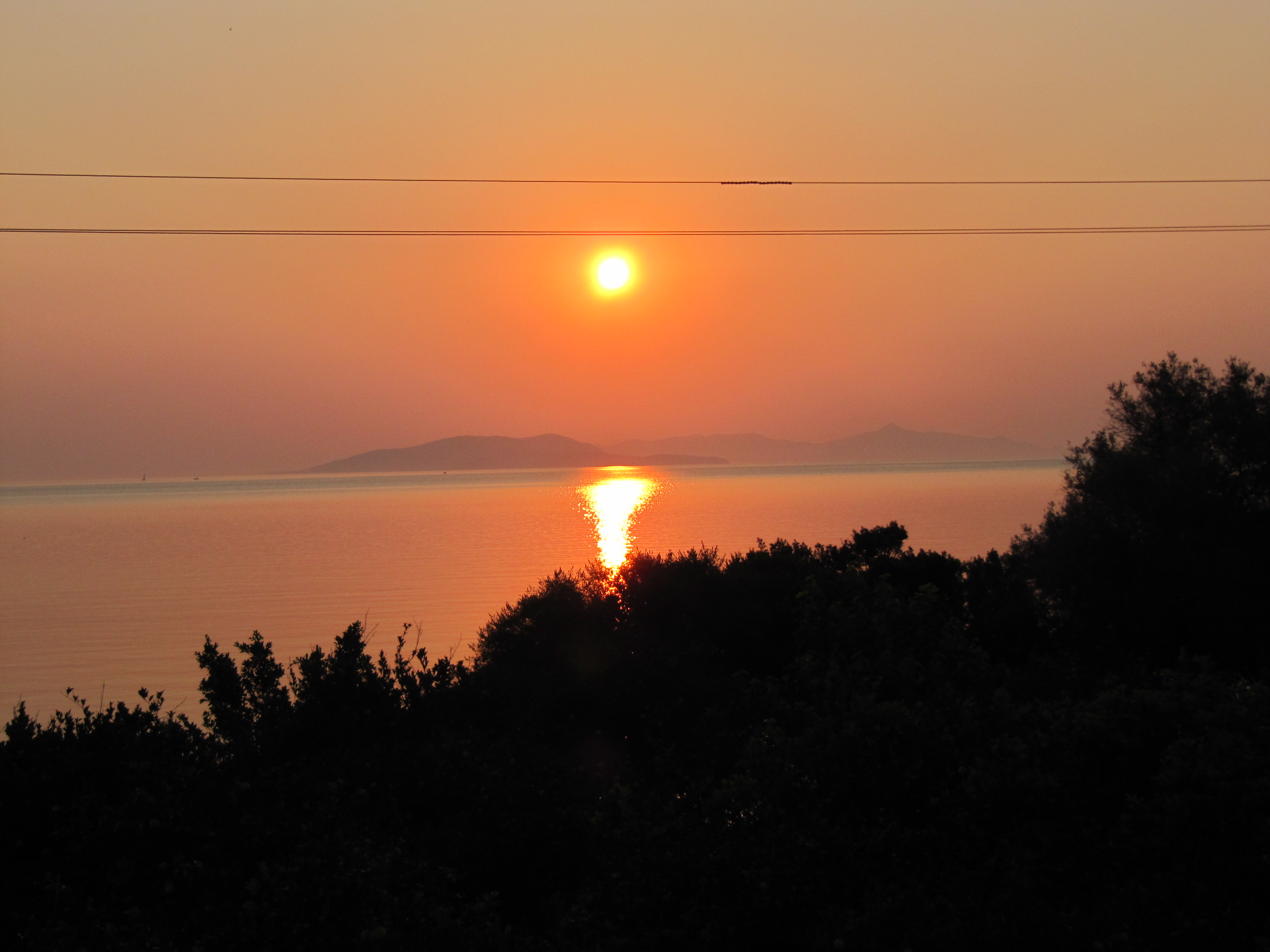
Monday’s sun­rise around 6:45am. How breath­tak­ing is that?!

Though it’s dif­fi­cult to believe that we’re approach­ing sin­gle dig­its with only ten days left in the pro­gram, we’re all thrilled to be spend­ing them in Epi­dau­rus and we’re sure to make the most of them.

Athens highlights in photos 2

These are some ran­dom but mem­o­rable moments from our four weeks in Athens.

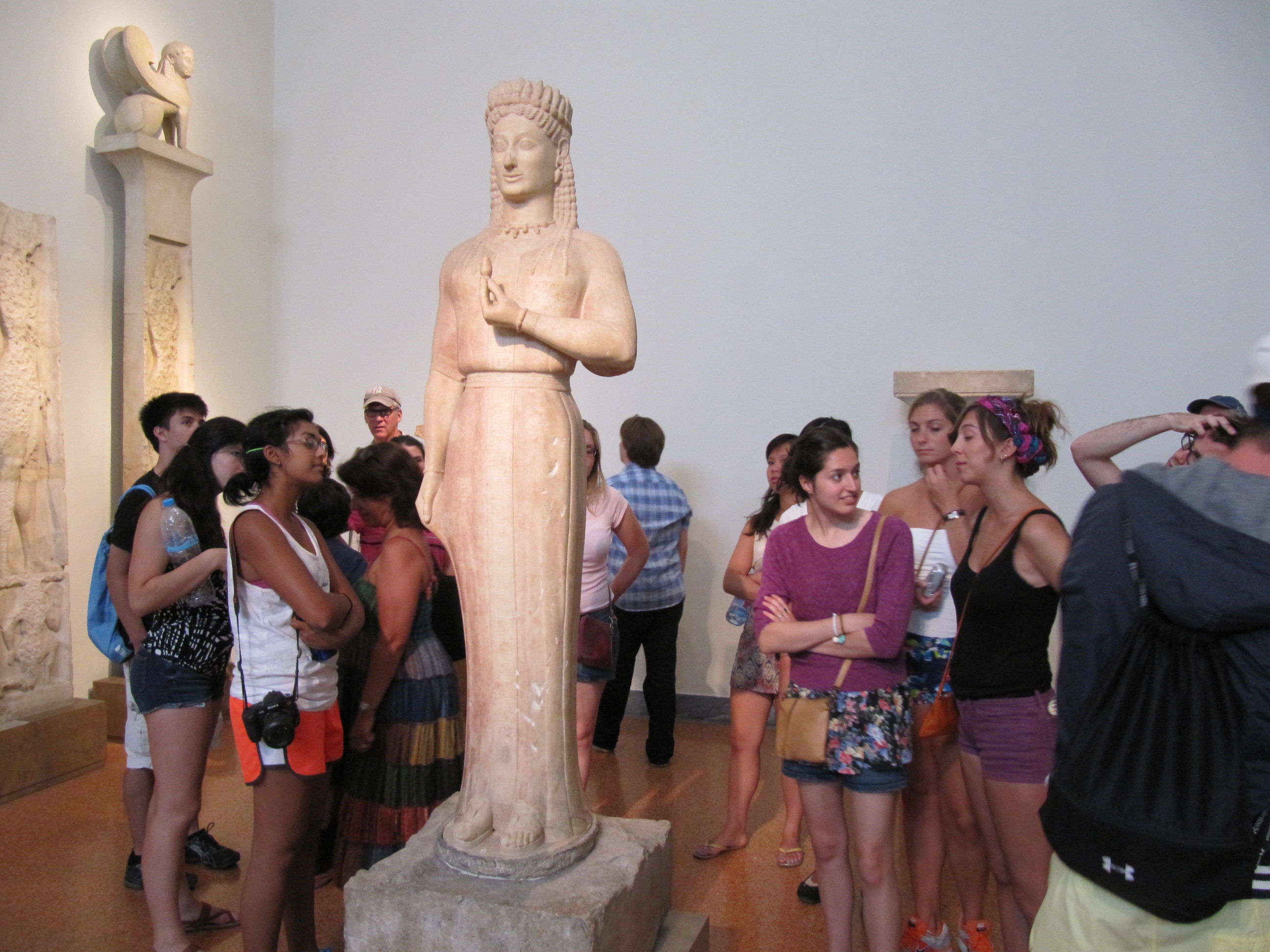
National Archae­o­log­i­cal Museum of Athens. Our wise and won­der­ful tour guide, Sofia, toured us through this museum for nearly three hours.  We’ve seen many stat­ues that resem­ble this one, which are called kouros (if male) and kore (if female).

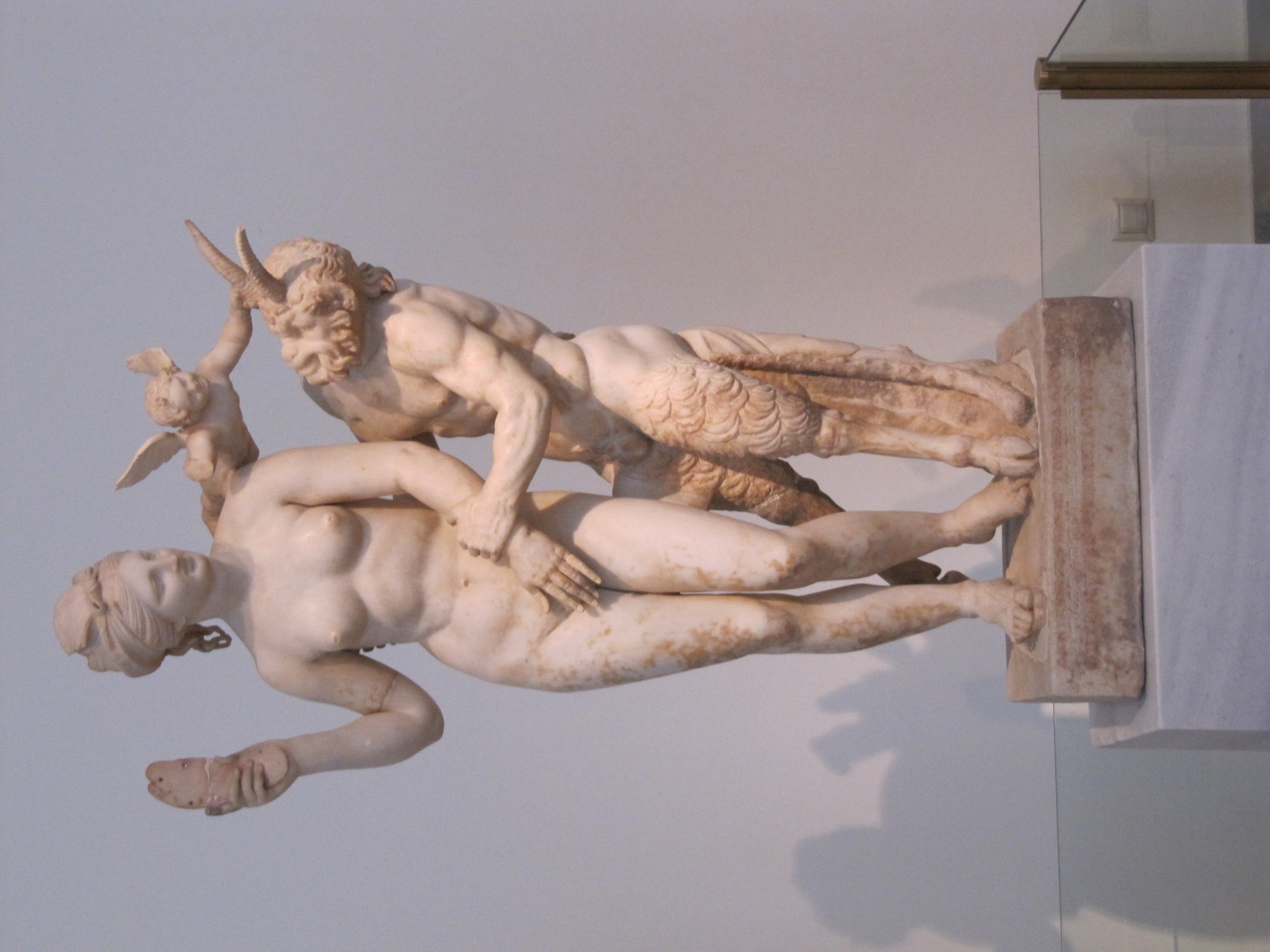
This sculp­ture depicts Aphrodite rais­ing her san­dal to ward off Pan, with her child Eros hov­er­ing between them. If you look close enough, you can make out three holes on the bot­tom of her san­dal which hold her straps in place.

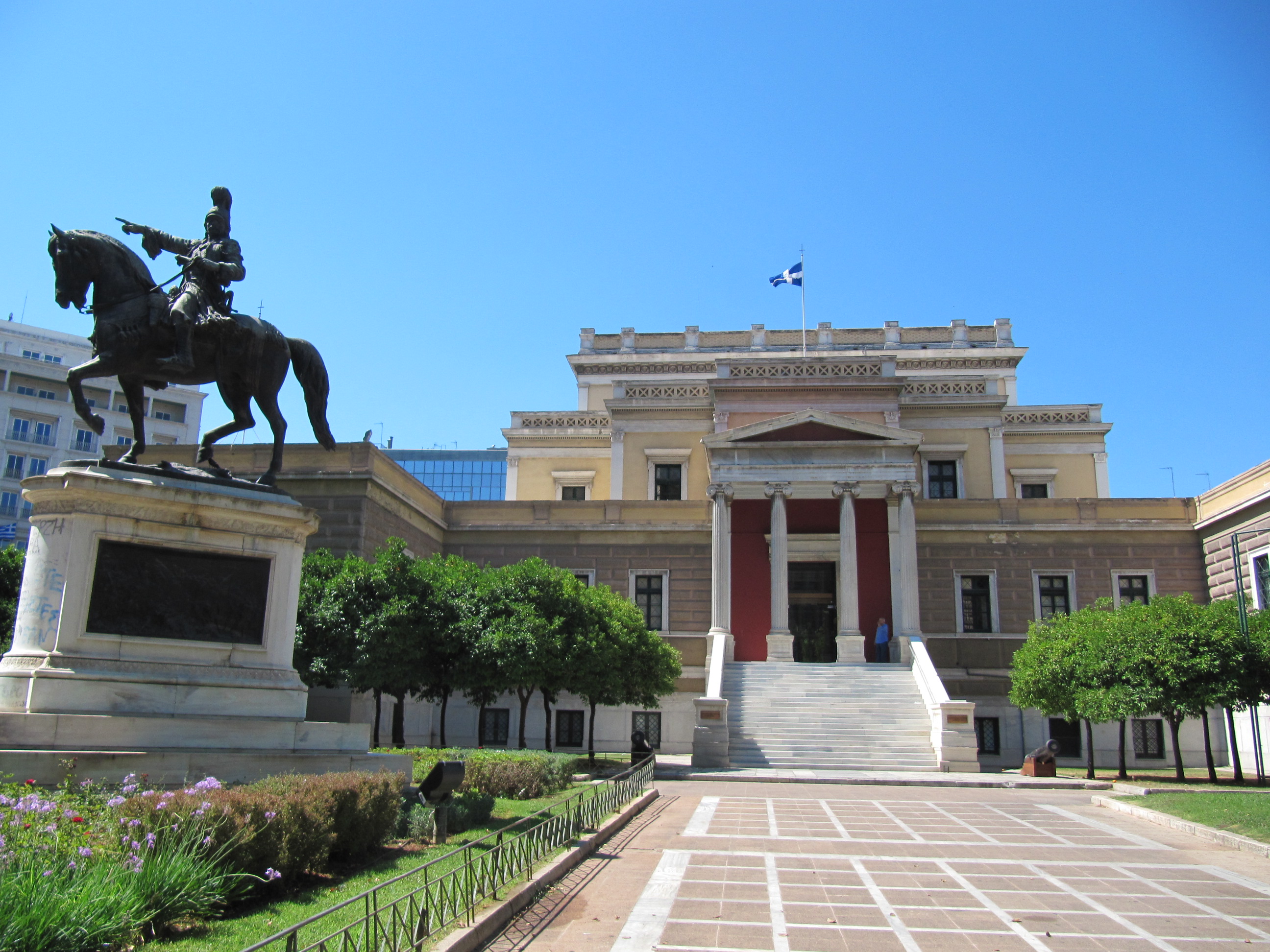
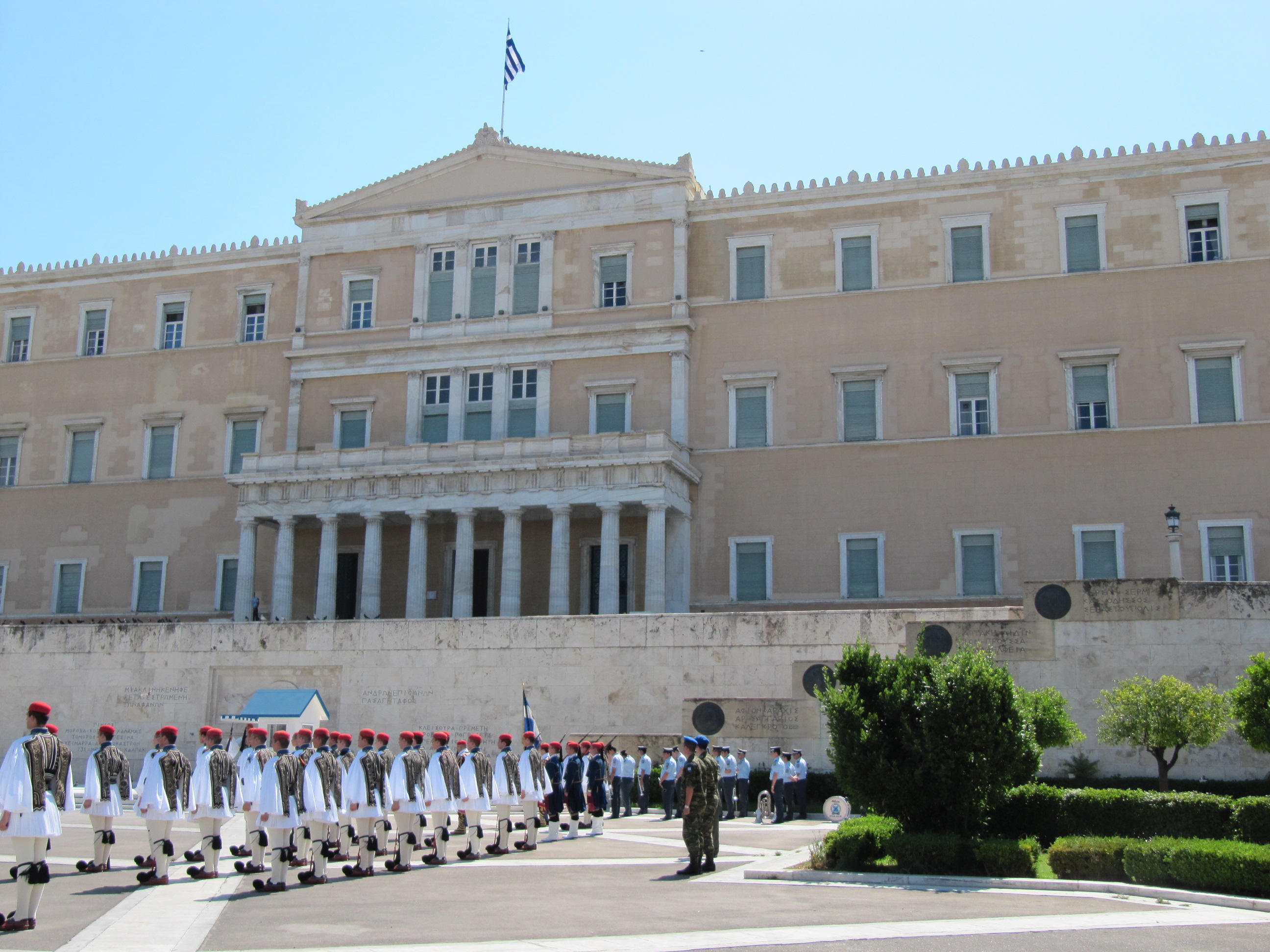
The old Par­lia­ment build­ing turned into the National His­tor­i­cal Museum.

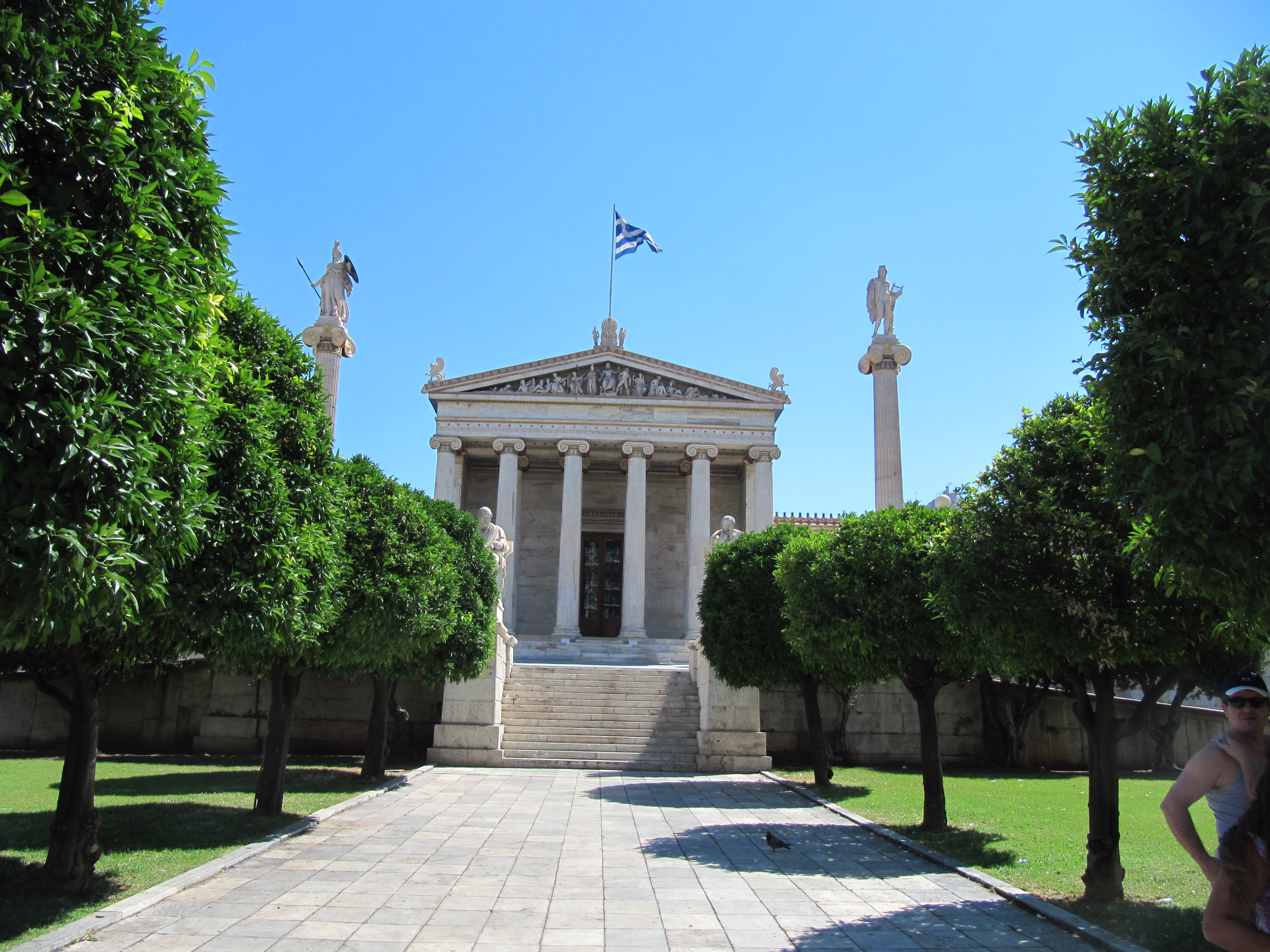
Acad­emy of Athens with stat­ues of Athena and Apollo.

The infor­ma­tive and per­sua­sive rug mer­chant who told us the his­tory of rug mak­ing then pro­ceeded to con­vince nearly all of us to buy her rugs.

Outside of Athens highlights in photos

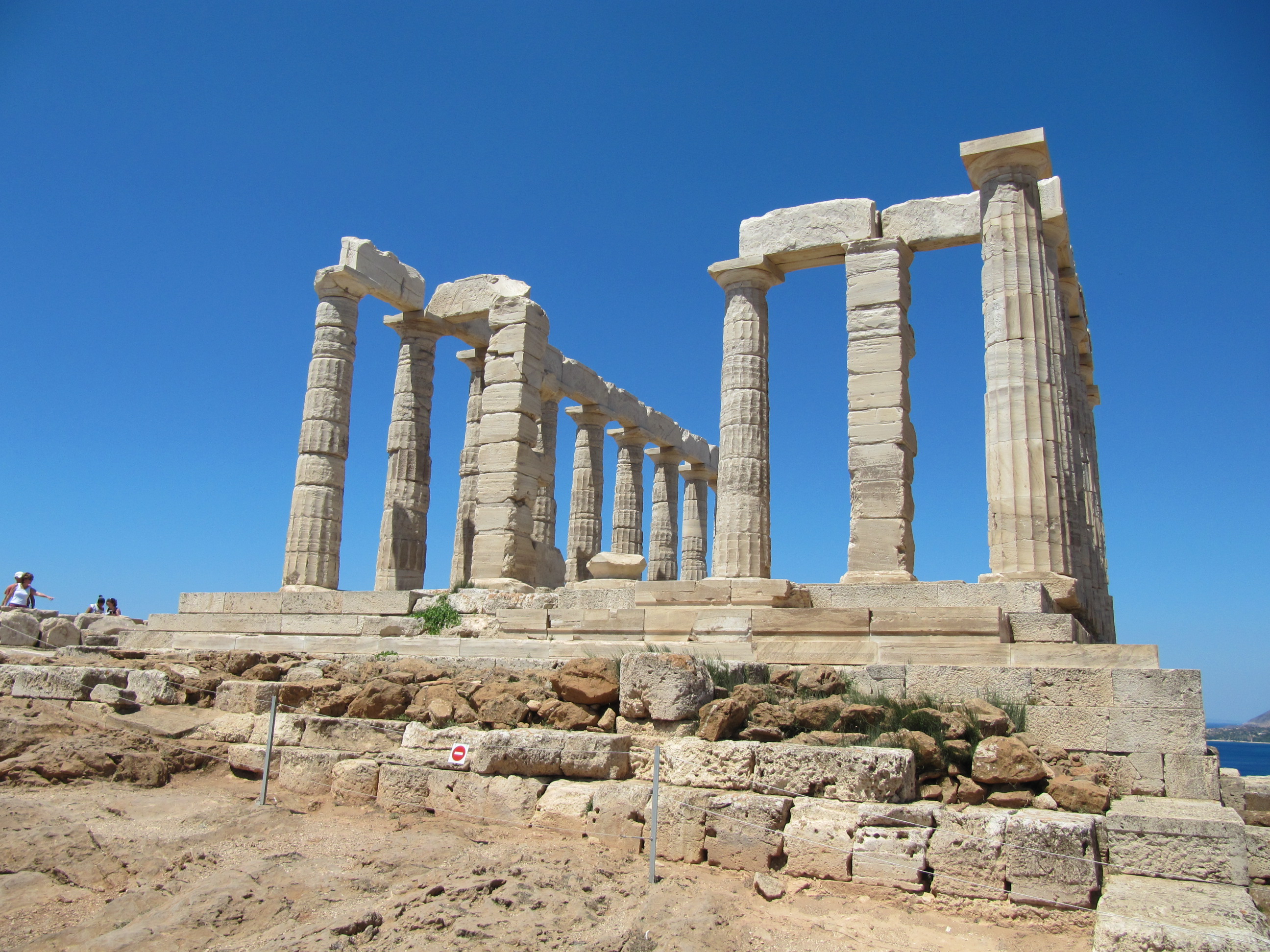
Tem­ple of Posei­don at Cape Sounio.

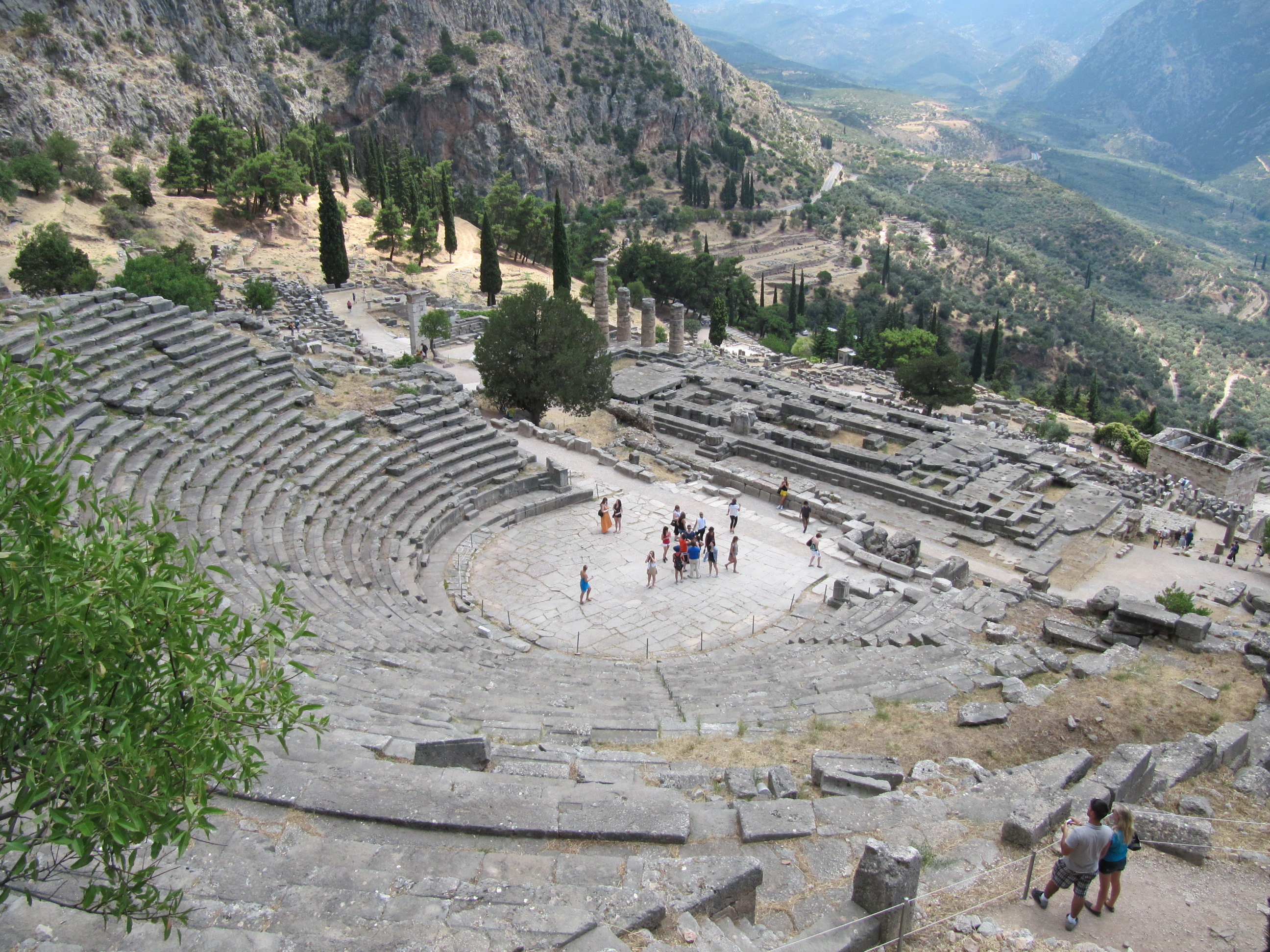
These two are from our day trip to Del­phi, most known for the Del­phic Ora­cle. It’s also a major site of wor­ship for Apollo, the god of the sun and prophecy. An inter­est­ing aspect of the cult at Del­phi is that Apollo shared the site with Diony­sus. Every year at the onset of win­ter, Apollo aban­doned Del­phi and left it to Dionysus.

Our class from afar in the ancient the­atre at Delphi.

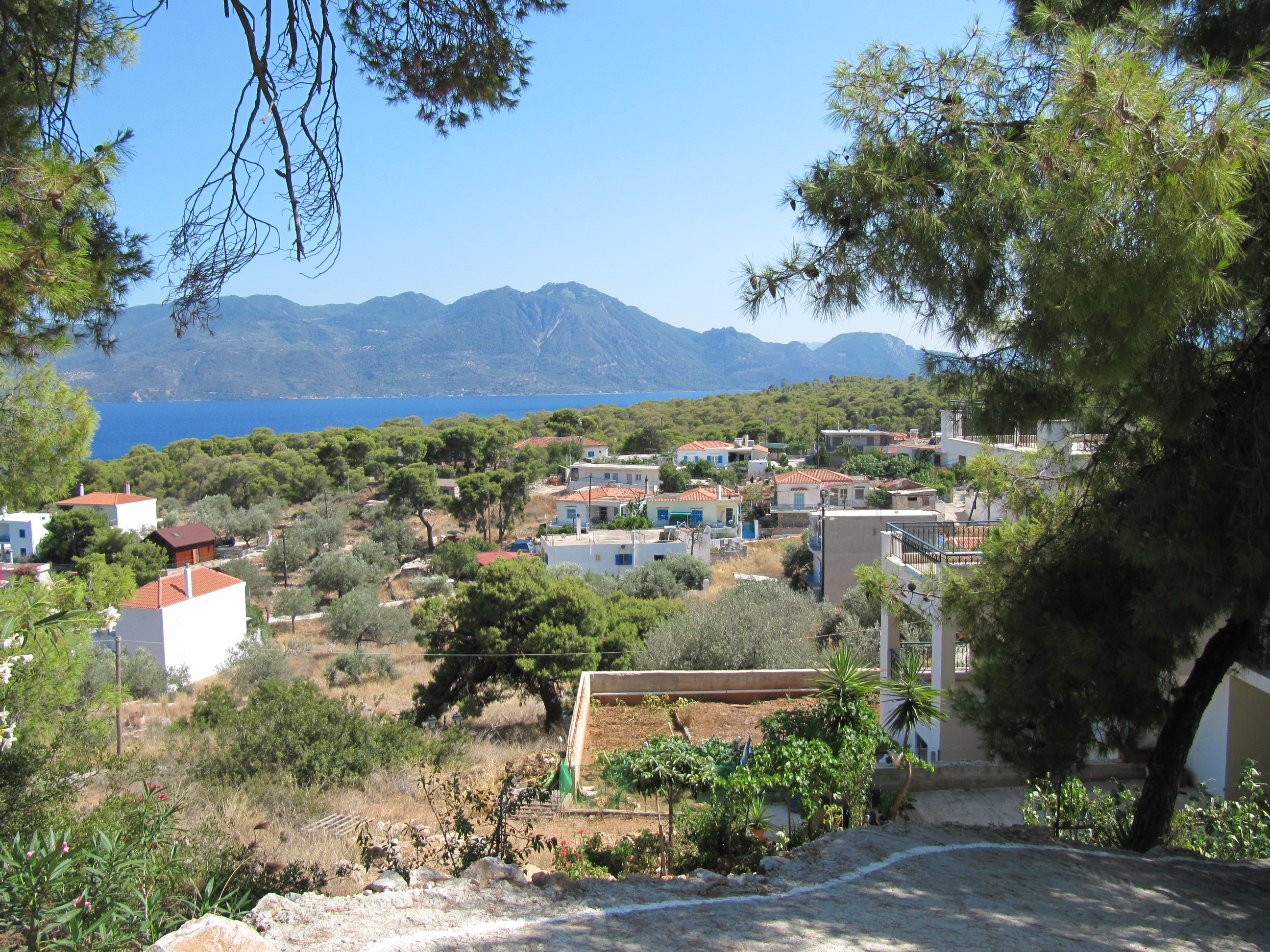
From our day excur­sion to Agistri, a small island in the Saronic Gulf. Only about 1,000 peo­ple live there and it’s not an espe­cially com­mon stop for tourists so we enjoyed the quiet and easy­go­ing pace of the island. We had a blast bik­ing along the road which con­nects the two set­tle­ments on oppo­site sides of the island.

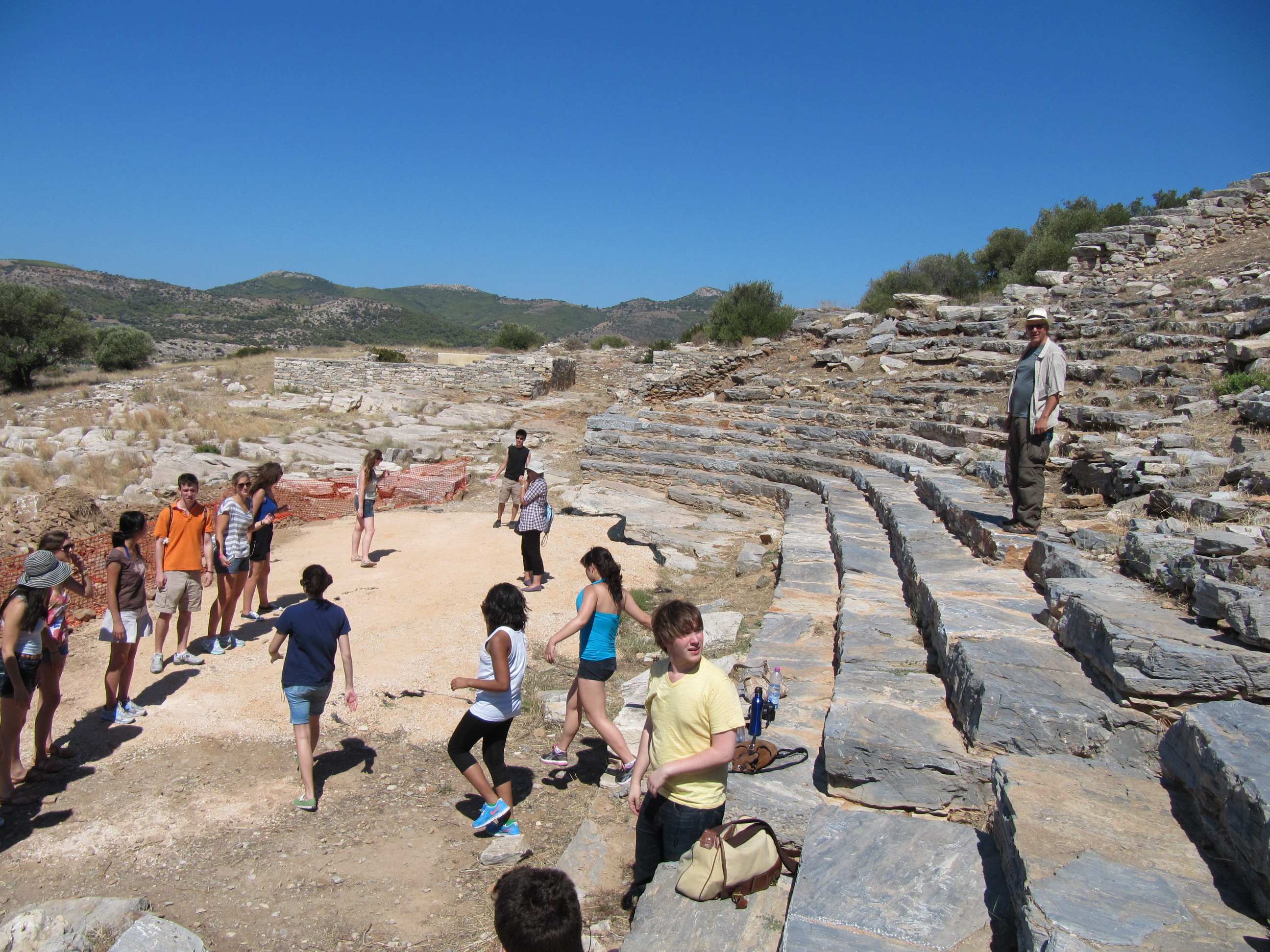
Thorikos, the ancient city we vis­ited writ­ten about here. These were taken at the site of the sec­ond old­est the­atre in the world, dat­ing from the 6th cen­tury BC, where we sang Old Nas­sau!

Athens highlights in photos

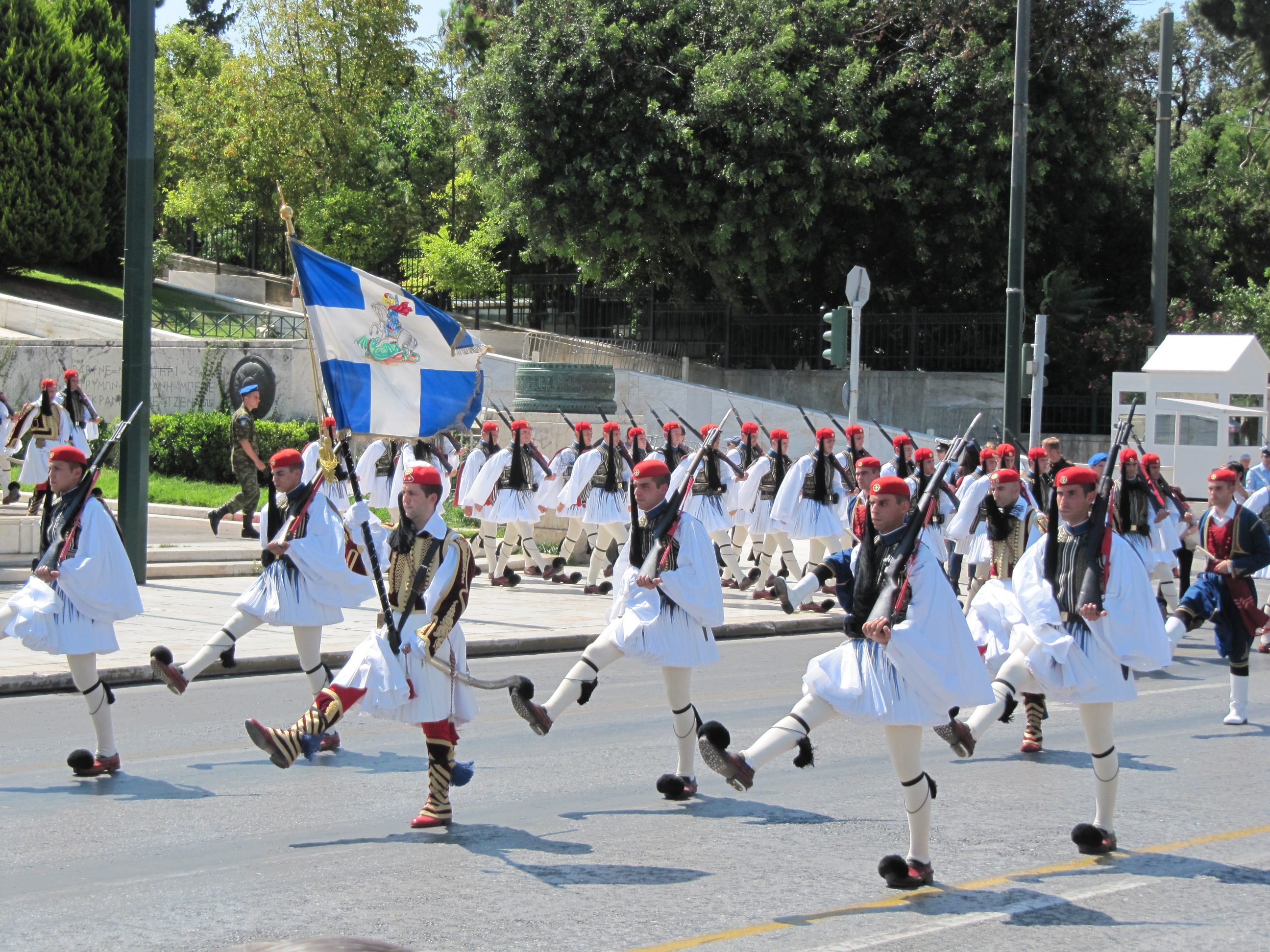
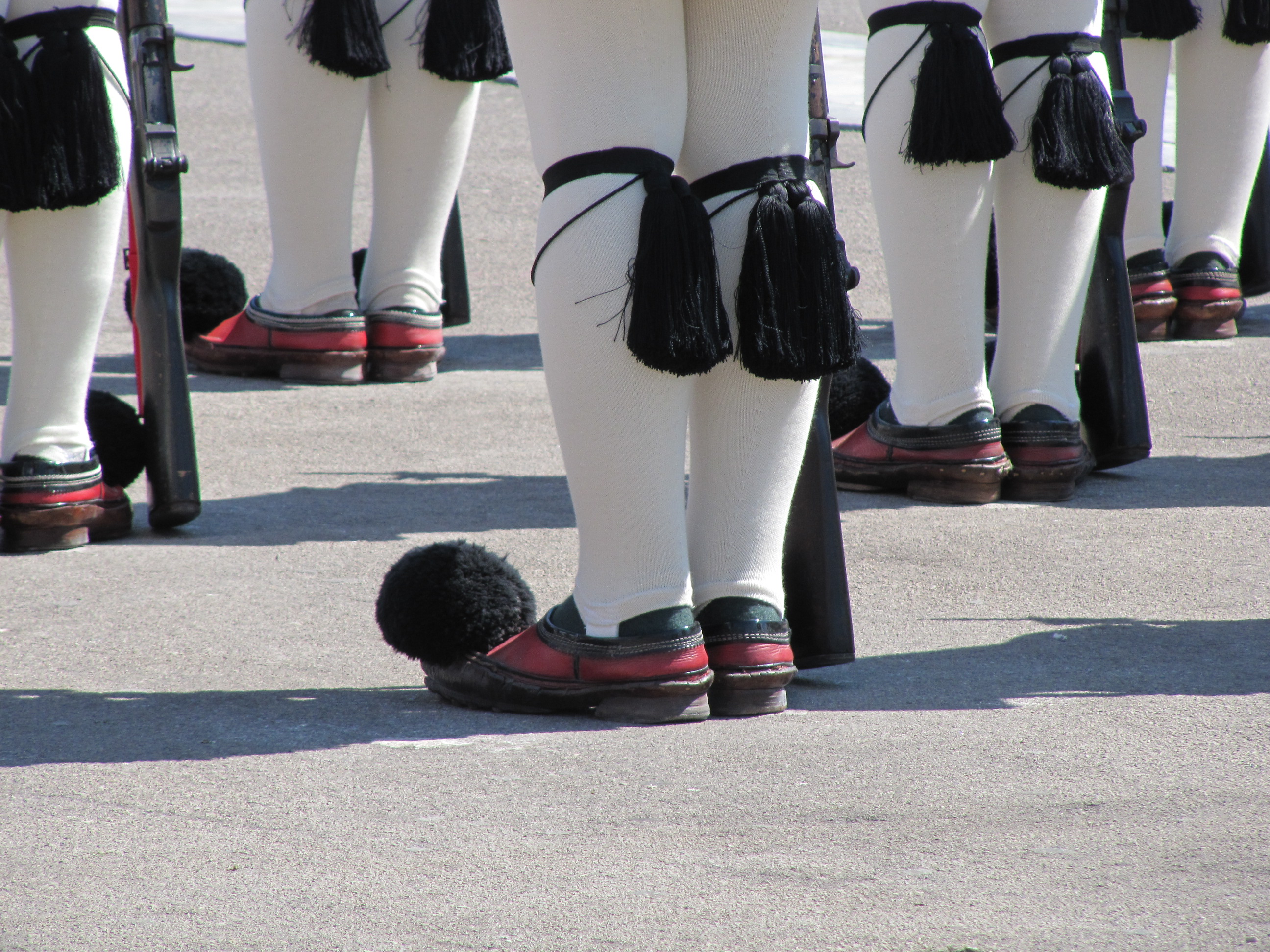
Chang­ing of guards is def­i­nitely not some­thing we’re accus­tomed to in the States, but in Greece (and many Euro­pean coun­tries) it hap­pens every morn­ing with a more elab­o­rate pro­ces­sion on Sun­days. The guards, called Evzones, change their posts in front of Par­lia­ment in Syn­tagma Square. Syn­tagma, mean­ing con­sti­tu­tion, is the square where most of the riots have taken place the last few months.


Though their cos­tumes are tra­di­tional and beau­ti­ful, it seemed unbear­able to be wear­ing so many lay­ers in 90˚F.


Though we haven’t run into many other crit­ters, dogs roamed every­where in Athens. Once in a while they would even roam with us. Here there are a cou­ple walk­ing to the metro with us:

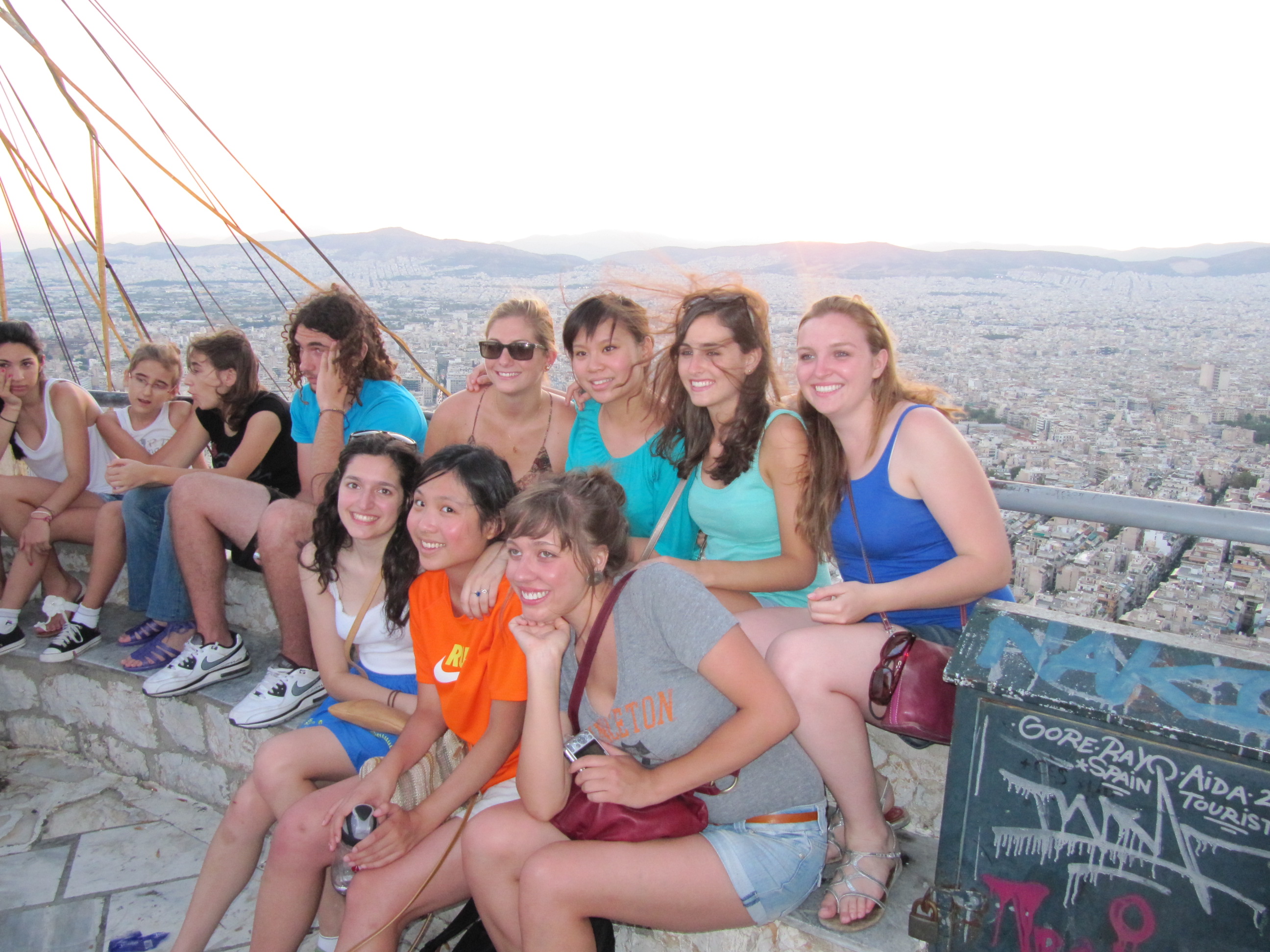
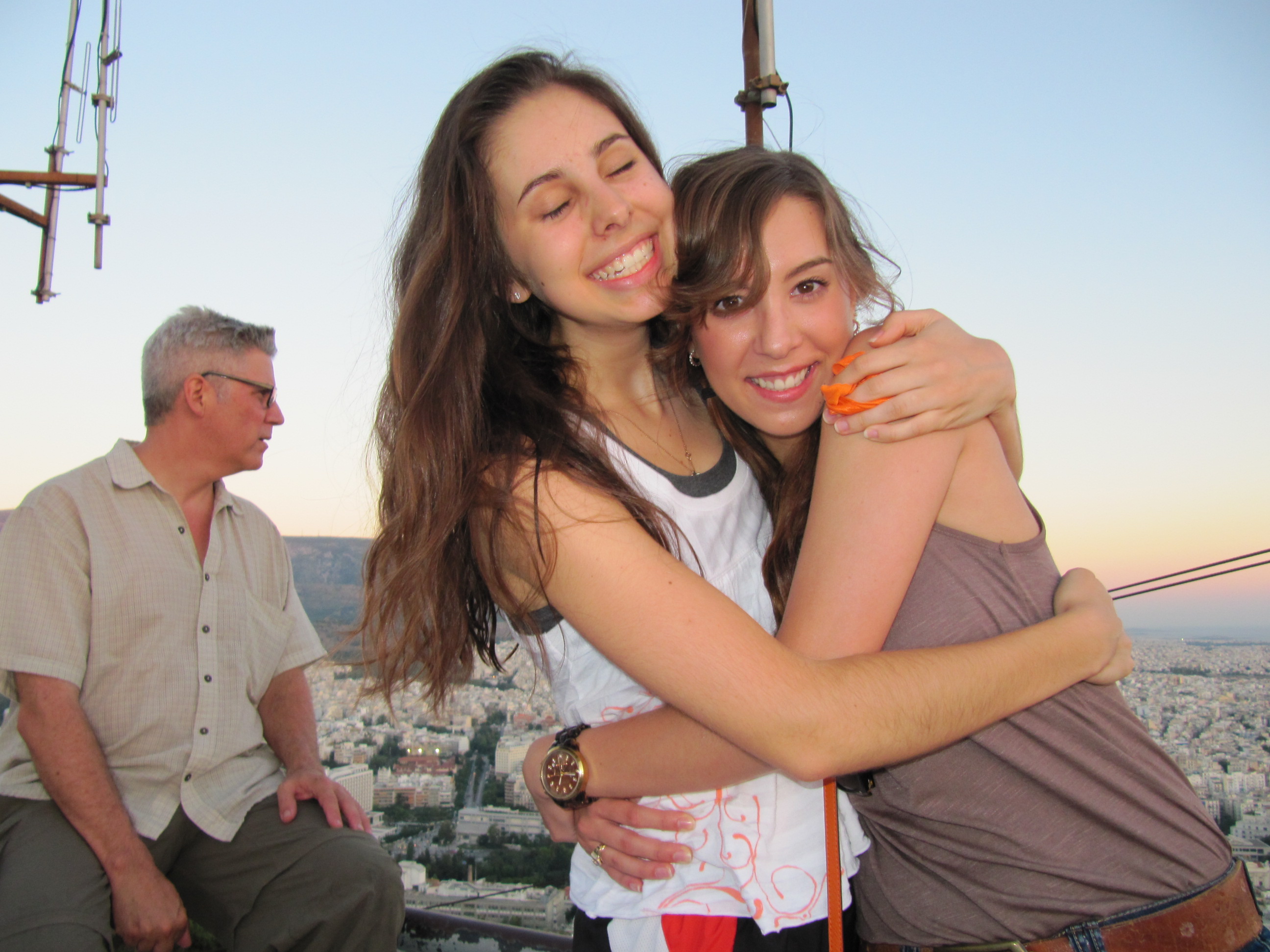
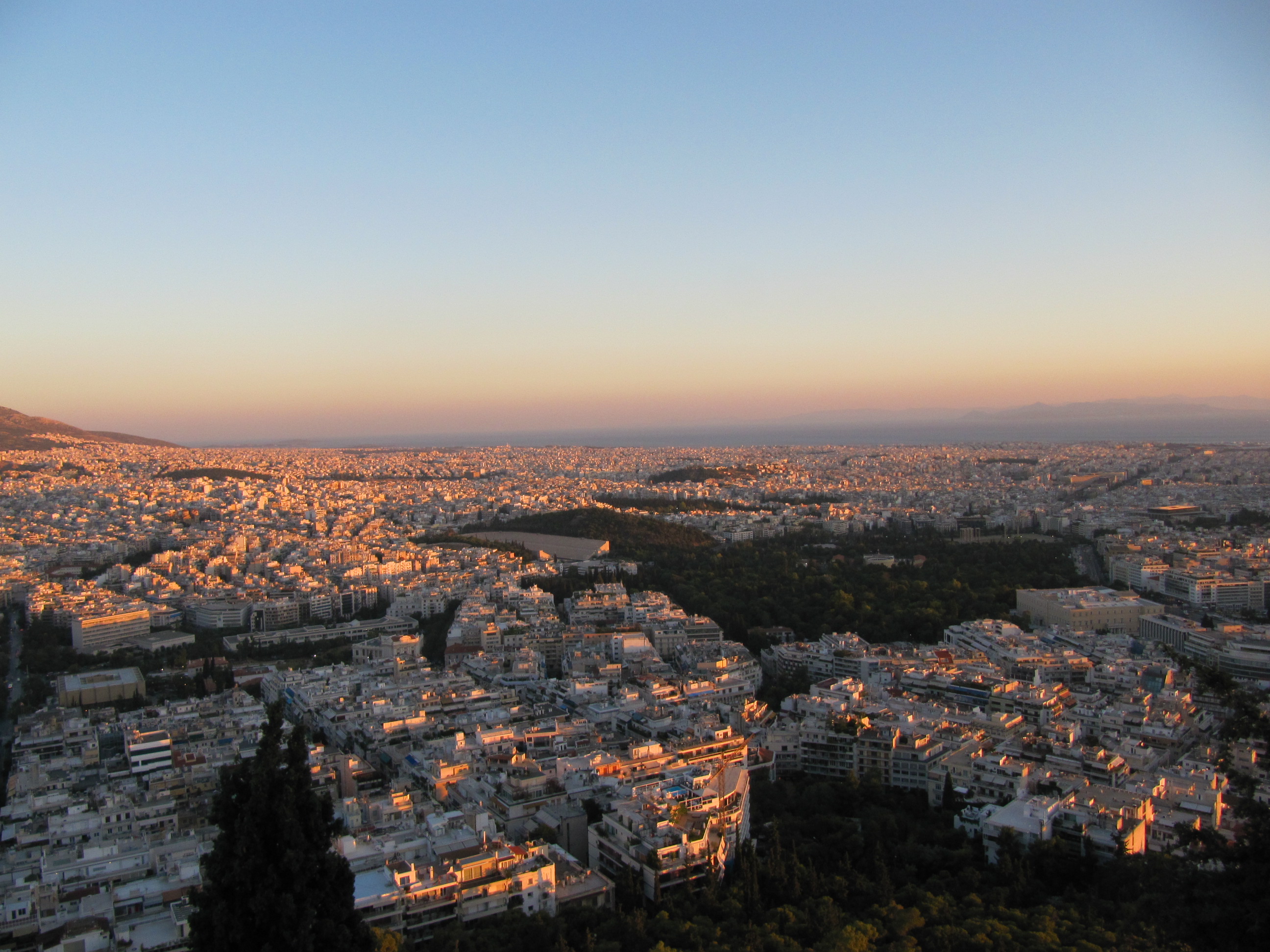
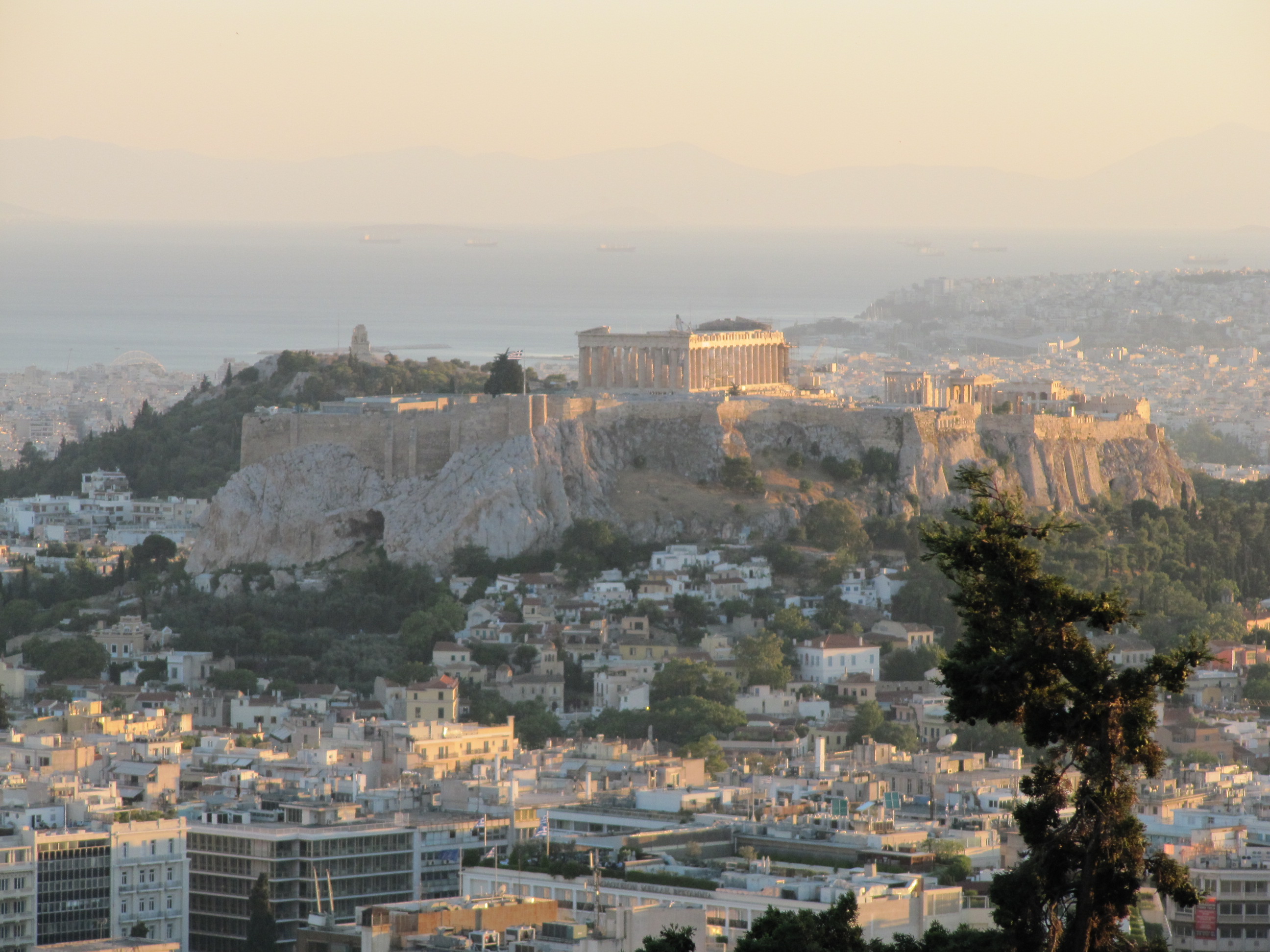
We climbed Mount Lyca­bet­tus at sun­set one evening and though the hill was steep, the view was worth it.  It’s about 275 meters above sea level; the high­est point in Athens.


Underground wonders

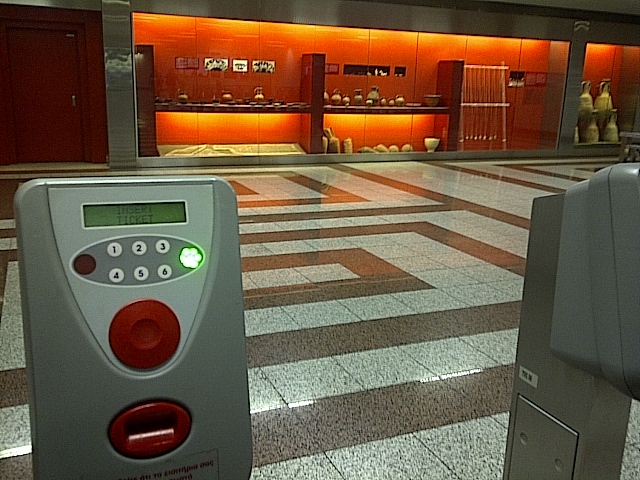
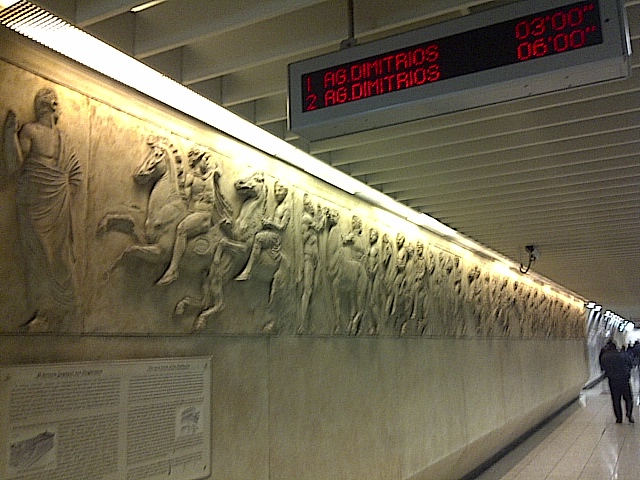
The Athens metro is the most beau­ti­ful metro we’ve ever seen.  It is clean and it runs smoothly which makes it easy to like, but the true gems are built into the metro as mini-museums that take you back thou­sands of years.

The metro has one line which dates back to the late 1800s. Two other lines were added when the metro went through major ren­o­va­tions in the 1990s and, if I’m not mis­taken, this ren­o­va­tion was par­tially inspired to bol­ster their 1996 Sum­mer Olympics bid.  Though the attempt proved futile, the metro is absolutely strik­ing.  The ren­o­va­tion ended around 2000 and was quite the expen­di­ture which some Greeks say con­tributed to their cur­rent eco­nomic state.

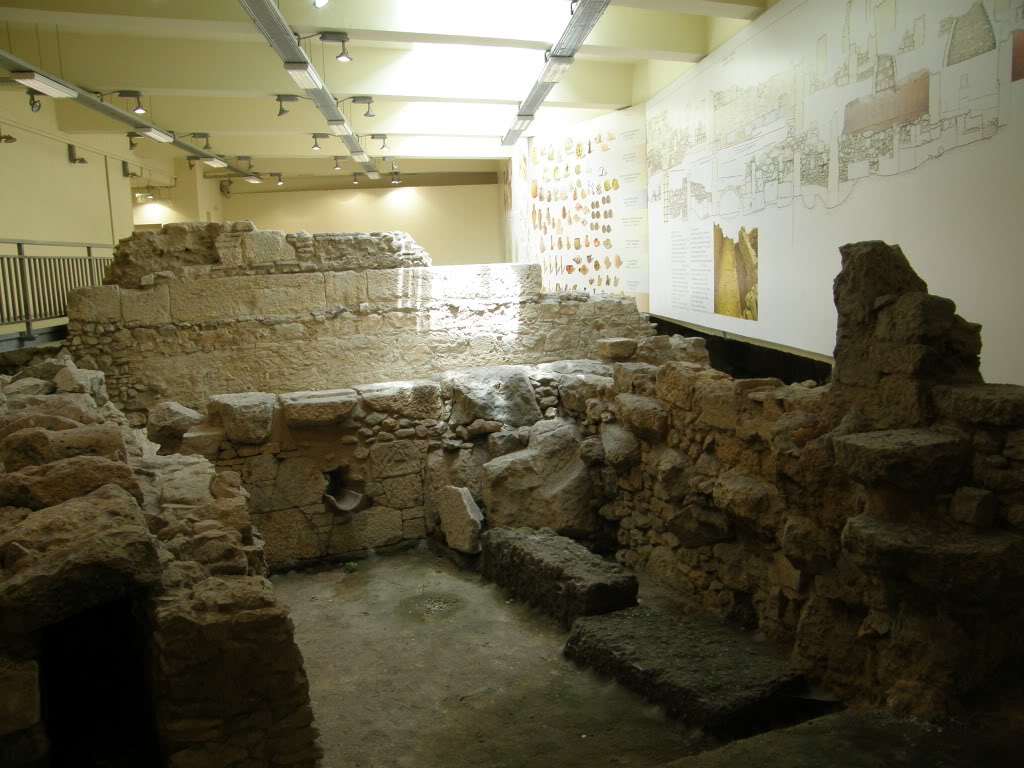
Work on the metro was slow because of all the antiq­ui­ties dis­cov­ered along the way. The main prob­lem con­struc­tion work­ers faced was not hav­ing to dig through rock but hav­ing to sift through his­tory.  Every time they dug a new hole they would find an ancient grave or a wall or road so they would put down their picks and shov­els and call in the archae­ol­o­gists who would do their dig­ging with tooth­brushes.  This time was well worth it, how­ever, because this metro is no typ­i­cal trans­porta­tion net­work, it is a series of mini exhibitions.

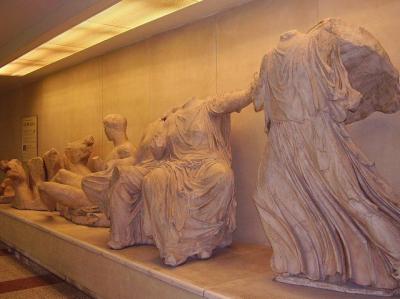
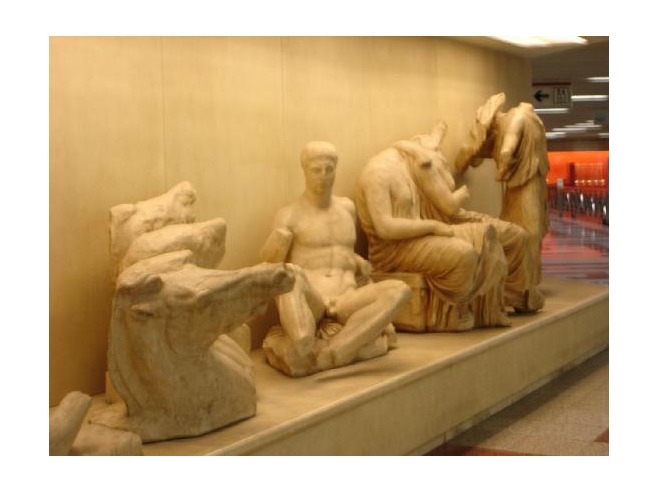
Walk­ing down mar­ble steps into the sta­tion, you find your­self in a mod­ern uni­verse with ticket machines and esca­la­tors.  But as you descend to a track, you pass all sorts of arti­facts from dif­fer­ent peri­ods of Athen­ian civ­i­liza­tion.  Encased in glass is strat­i­fied exca­va­tion where you see ancient pots, oil lamps, mosaic floors, columns, por­tions of walls and roads, cis­terns, bur­ial remains, clay drainage pipes, and more.  These arti­facts range from the 6th cen­tury BC through Byzan­tine times.  There are also plas­ter casts of fig­ures from the Parthenon.

On top of being cul­tural and edu­ca­tional, the metro is untar­nished which is a feat for any pub­lic trans­porta­tion unit.  The cars them­selves are clean and oper­ate smoothly. The sta­tions are spa­cious and well-lit with hardly a mark of graf­fito or piece of garbage to be seen.  Most plat­forms even have a mon­i­tor which indi­cates when the next metro is arriv­ing.The only unfor­tu­nate aspect of all this free and espe­cially avail­able his­tory is the fact that it is over­looked due to the inevitable quick pace demanded by its milieu.  Peo­ple gen­er­ally treat pub­lic trans­port as a means to an end and there­fore wouldn’t stop to look at a vase.

How­ever, I’ve been pleas­antly sur­prised by the num­ber of peo­ple who do stop and think about arti­facts.  Quite a few peo­ple do gaze at the 2,500 year-old ceramic vase, more prop­erly called amphora, which was once given to the win­ner of the Pana­thenaic games.  Many appre­ci­ate the fact this vase was once filled with first-class olive oil—a pre­cious and expen­sive del­i­cacy.  And that this olive oil was a prize for one of four sports fes­ti­vals held in ancient Greece col­lec­tively called the Pan­hel­lenic games.  And that one of the other three sports fes­ti­vals held every four years in Olympia is still cel­e­brated.  Very soon in fact, in Lon­don.  All of this his­tory is con­tained in one vase, in one mini-museum of one metro sta­tion. For­tu­nately for us, we pass through these sta­tions daily and take it in as we scurry through.

In Athens, his­tory truly is every­where to be found.  Even underground.

the flea market and the stoa

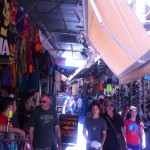
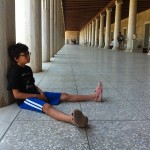
Sun­day is flea mar­ket day in Monastiraki–every side street is crowded with buy­ing and sell­ing, the goods rang­ing from antiques to plumb­ing sup­plies, to, as Suzan­nah mem­o­rably noted, oil paint­ings of Adolf Hitler.  Athe­ni­ans and tourists jos­tle side by side, pok­ing through the wares, hag­gling with the ven­dors, drink­ing cof­fee, peo­ple watch­ing, doing what peo­ple do in mar­kets.  A few steps away is the his­tor­i­cal site of ancient Agora, the com­mer­cial and admin­is­tra­tive cen­ter of Golden-Age Athens, which slum­bered under lay­ers of sed­i­ment and sub­se­quent hous­ing for a cou­ple thou­sand years until being exca­vated in the 20th cen­tury.  Most of the place is rub­ble, except for the tem­ple of Hep­haes­tus, which is the only Greek tem­ple that still has its inte­rior walls and part of the ceil­ing.  Then there is the Stoa of Atta­los, pic­tured above, which has been recon­structed and is a wel­come refuge from the mid­day sun, as my son Sam demon­strates.  In the ancient period, this place would’ve looked quite a bit like the Mona­s­ti­raki flea market–full of Athe­ni­ans and for­eign­ers buy­ing and sell­ing and argu­ing and eat­ing and tak­ing advan­tage of a bit of shade.  Going from one place to the other, as we hap­pened to do this Sun­day, a straight line is formed, 25 cen­turies long, and all these mar­ble mon­u­ments come to life.  This is not, of course, news to any­one who lives here, but I am con­stantly amazed to see direct con­nec­tions between life in the time of Per­i­cles and our own, per­haps less Golden, age.