Name Dropping: A list of famous Commencement Week speakers at Princeton

In a pre­vi­ous post we dis­cussed the his­tory behind com­mence­ment at The Col­lege of New Jer­sey and Prince­ton Uni­ver­sity. Here, we high­light the indi­vid­u­als and include links to video and news articles.

For the years 2009– 2012 each name will link to an indi­vid­ual flash based stream­ing video cour­tesy of Prince­ton Uni­ver­sity Web­Me­dia. These are mobile friendly as well.

Years 1998–2008 can be viewed through this link to Web­Me­dia. Scroll to the appro­pri­ate year and down­load you pre­ferred ver­sion to your com­puter. To view via mobile you will need to open in dropbox.

2012

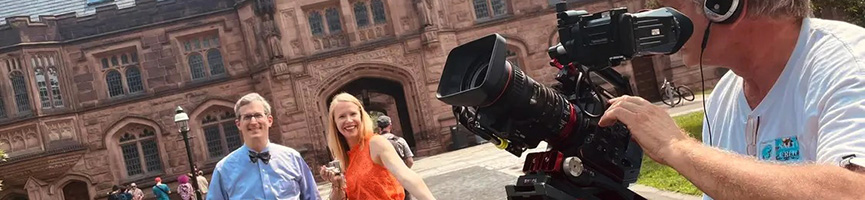
Photo: Princeton University, Office of Communications, Denise Applewhite (2012)

Michael Lewis — Photo: Prince­ton Uni­ver­sity, Office of Com­mu­ni­ca­tions, Denise Apple­white (2012)

Photo: Princeton University, Office of Communications, Steve McDonald (2012)

Steve Car­rell — Photo: Prince­ton Uni­ver­sity, Office of Com­mu­ni­ca­tions, Steve McDon­ald (2012)

2011

2010

2009

2008–1998 Can be down­loaded for view­ing here.

2008

  • Bac­calau­re­ate - Paul Farmer
  • Class Day — Shirley M. Tilghman
  • Com­mence­ment — Shirley M. Tilghman

2007

  • Bac­calau­re­ate - John Flem­ing
  • Class Day — Bradley Whitford
  • Com­mence­ment — Shirley M. Tilghman

2006

2005

2004

2003

  • Bac­calau­re­ate — Fred Hargadon
  • Class Day - Jerry Sein­feld
  • Com­mence­ment — Shirley M. Tilghman

2002

  • Bac­calau­re­ate - Meg Whit­man
  • Class Day — James Baker
  • Com­mence­ment — Shirley M. Tilghman

2001

  • Bac­calau­re­ate — Emma Bloomberg
Bill Cosby - 2001 Class Day Speaker Photo Courtesy: Princeton Weekly Bulletin

Bill Cosby — 2001 Class Day Speaker
Photo Cour­tesy: Prince­ton Weekly Bulletin

  • Class Day - Bill Cosby - This marks the first Class Day Speaker from out­side of the University. 
  • Com­mence­ment — Shirley M. Tilghman

Pre­vi­ous to 2001 many infa­mous per­sons took the podium dur­ing the Bac­calau­re­ate Cer­e­monies. The fol­low­ing high­light a few of those. Dur­ing this time the pres­i­dent of the Uni­ver­sity pre­sides over com­mence­ment and typ­i­cally gives the com­mence­ment address as well as speaks at Class Day.

2000 Bac­calau­re­ate  - Her Majesty Queen Noor of Jor­dan, for­merly Lisa Hal­aby ’73

1999

  • Bac­calau­re­ate Mar­ian Wright Edel­man, pres­i­dent of the Children’s Defense Fund
  • Class Day/Commencement Harold T. Shapiro
  • The Latin Salu­ta­tory speaker Thomas Wick­ham Schmidt broke tra­di­tion by includ­ing a mar­riage pro­posal to Anasta­cia Rohrman at the end of his speech. WHT_RohrSchmidtThe event was also cov­ered by NBC’s Today Show where Roth­man and Schmidt were interviewed.
  • Accord­ing to the June 6th, 2007 edi­tion of the Prince­ton Alumni Weekly, “The two were mar­ried in August 2000, after Wick’s first year at Yale Law School.”

WHT_RohrSchmidt2

1998  Bac­calau­re­ate: Sen­a­tor Tom Harkin and wife Ruth Harkin, senior VP at United Tech­nolo­gies Cor­po­ra­tion. Par­ents of Amy Harkin. Both hus­band and wife spoke to honor 25 years of coed­u­ca­tion at Prince­ton. This is the first time that there has been two bac­calau­re­ate speak­ers.
1997 — Bac­calau­re­ate: Sen­a­tor William Frist ’74

1996 — Prince­ton University’s  250th Anniversary

  • Bac­calau­re­ate Address William W. Bradley ’65
  • Class Day Harold T. Shapiro
  • Com­mence­ment Speaker Pres­i­dent Bill Clinton
  • You may view the com­mence­ment in its entirety in an upcom­ing blog post.

1995 Bac­calau­re­ate: Jane Alexan­der, chair of the National Endow­ment for the Arts

1994 Bac­calau­re­ate: Wyn­ton Marsalis

1993 Bac­calau­re­ate: Garry B. Trudeau, Car­toon­ist. You may view the com­mence­ment in its entirety in an upcom­ing blog post.

1992 Bac­calau­re­ate: Rt. Rev­erend Dr. Fred­er­ick H. Borsch ’57
1991 Bac­calau­re­ate: William Crowe Jr. *65, retired chair of the Joints Chiefs of Staff
1990 Bac­calau­re­ate: Johnetta Cole, Pres­i­dent of Spel­man Col­lege
1989 Bac­calau­re­ate: Hon­or­able Andrew Young
1988 Bac­calau­re­ate: Rep­re­sen­ta­tive Patri­cia Schroeder
1987 Bac­calau­re­ate: George E. Rupp ’64
1986 Bac­calau­re­ate: Gov­er­nor Thomas H. Kean ’57
1985 Com­mence­ment: William Bowen. Bac­calau­re­ate: Ira D. Sil­ver­man (Fun Fact: Theodore Seuss Geisel aka ‘Dr. Seuss’ was given an hon­orary degree this year.)

1984 Bac­calau­re­ate: Hon­or­able Paul Sar­banes ’54 P’84, (Mau­rice Sendak received an hon­orary degree this year, author of ‘Where the Wild Things Are’)
1983 Bac­calau­re­ate: The Rev. Dr. Homer U. Ashby Jr. ‘68
1982 Bac­calau­re­ate: The Hon­or­able Charles B. Ren­frew, ’52. (Stephen Hawk­ing received an hon­orary degree)
1981 Bac­calau­re­ate: Dr. Sis­sela Bok,
1980 Bac­calau­re­ate: Michael M. Stew­art, M.D. ’57, Com­mence­ment: William Bowen Min­utes from the Senior Class Com­mit­tee from Jan­u­ary 13th, 1980 men­tion a sub-committee had been formed to find ways to expand Class Day.
1979 Bac­calau­re­ate: Red­mond C. S. Finney ’51,
1978 Bac­calau­re­ate: Ger­son D. Cohen
1977 Bac­calau­re­ate: Theodore M. Hes­burgh
1976 Bac­calau­re­ate: James I. McCord
1975 Bac­calau­re­ate: Pro­fes­sor Gre­gory Vlas­tos, Ph.D., B.D., D. D., LL.D., (Prince­ton Uni­ver­sity Phi­los­o­phy Depart­ment)
1974 Bac­calau­re­ate: The Rev­erend Thomas P. Stew­art, ’51.
1973 Bac­calau­re­ate: The Rev­erend Dr. John B. Coburn ’36, Char­ter Trustee

Until 1972, the bac­calau­re­ate speaker was the cur­rent Pres­i­dent of the Uni­ver­sity. Begin­ning in 1973, out­side speak­ers were invited.

1969: Rep­re­sen­ta­tive from the Class Day Com­mit­tee asks Pres­i­dent Goheen to approve the re-institution of plant­ing ivy with class year stone mark­ers around Nas­sau Hall rather than the pre­vi­ous (expen­sive) tra­di­tion of break­ing $200 worth of clay pipes. The rep­re­sen­ta­tive also sug­gested that the mes­sage of plant­ing rather than destroy­ing is bet­ter for Class Day. Com­mence­ment: Unlisted. Bac­calau­re­ate: Pres­i­dent Goheen.

1968: Many of this year’s events were mod­i­fied due to the Assas­si­na­tion of Sen­a­tor Robert Kennedy on June 4th. The Alumni parade was smaller and within cam­pus, the base­ball game and Tri­an­gle Club per­for­mances were can­celled. Commencement/Baccalaureate and Class Day Pres­i­dent Goheen.

1949 Bac­calau­re­ate: Harold Dodds

1945

  • Feb­ru­ary 22nd 1945 – Win­ter term exer­cises held again in Nas­sau Hall. This also marks the first grad­u­a­tion in two years where hon­orary degrees have been given. The address was given by the Head of the Fac­ulty Robert K. Root and the bene­dic­tion was given by the Dean of the Uni­ver­sity Council.
  • June 23rd 1945 – Spring term exer­cises held on front cam­pus. Address is given by Dean Chris­t­ian Gauss. Bene­dic­tion is given by Dr. Arthur L. Kinsolving.
  • Octo­ber 22nd 1945 – The small­est num­ber of grad­u­ates have com­mence­ment held in Pres­i­dent Harold Dodds office. 20 stu­dents are can­di­dates for degrees. Only 11 are present for the con­fer­ring of the degrees.

1944

  • Jan­u­ary 5th 1944 – 26 mem­bers of Class of 1944 grad­u­ated in brief cer­e­mony in Nas­sau Hall
  • Feb­ru­ary 22, 1944 – 35 degrees given. Dr. Charles G. Osgood gives the com­mence­ment speech. Stu­dents in armed forces were instructed to wear uni­forms while oth­ers wear the tra­di­tional cap and gown.
  • April 4th 1944 – 36 degrees given in Nas­sau Hall.
  • June 24th 1944 – Spe­cial Con­vo­ca­tion for the Navy V-12 Unit was held on front cam­pus. James V. For­re­stal, Sec­re­tary of the Navy, receives an hon­orary degree. Pres­i­dent Dodds also gave an address to the grad­u­at­ing members.
  • The 24th also included reg­u­lar com­mence­ment exer­cises with the address given by Dr. Henry P. Van Dusen ’19. Pres­i­dent Dodds gave con­clud­ing remarks.
  • Sep­tem­ber 19th and Octo­ber 19th held addi­tional Spe­cial Con­vo­ca­tions for the Navy V-12 Unit
  • Octo­ber 25th a small reg­u­lar cer­e­mony took place in Nas­sau Hall.

1943

  • On Jan­u­ary 29th and 30th Prince­ton observed its first win­ter com­mence­ment in almost 200 years. This was due to the 315 mem­bers of the 1943 class that sped up their courses so they could report to active duty.
  • Com­mence­ment was com­bined with the bac­calau­re­ate address took place in the uni­ver­sity chapel. Charles Scrib­ner Jr. gave the Latin Salu­ta­tory and Pres­i­dent Dodds gave the com­mence­ment speaker.
  • Joseph C. Grew, for­mer Ambas­sador to Japan spoke at the Prince­ton com­mence­ment luncheon
  • The spring com­mence­ment was held on May 28th and 29th and would be the last for­mal com­mence­ment for the dura­tion of the war. The class day cus­tom­ary exer­cises were con­densed into one cer­e­mony. Pres­i­dent Dodds gave his address at com­mence­ment as usual.
  • On Sep­tem­ber 29th the Uni­ver­sity held its 3rd com­mence­ment cer­e­mony of the year for under­grad­u­ates a the end of the cur­rent quar­ter. The cer­e­mony was held in the Fac­ulty Room of Nas­sau Hall
  • The 4th and final com­mence­ment occurred on Octo­ber 28th for 26 mem­bers of the Class of 1944.

1942 The University’s 195th cer­e­monies took place against a back­ground of total war. A new event was intro­duced into the com­mence­ment sea­son because of this. A Ser­vice of Ded­i­ca­tion “a ded­i­ca­tion of all that we have and all that we are, with no count­ing of the cost.”

1929 — Soon you will be able to view scenes from the Class of 1929’s com­mence­ment activ­i­ties in an upcom­ing com­pli­men­tary blog post.

Feb­ru­ary 21st, 1920 86 Mem­bers of the Class of 1918 & 1919 grad­u­ates return­ing from War Ser­vice. Infor­mal exer­cises were held in the Fac­ulty Room of Nas­sau Hall. “This was the first time in in the rec­ol­lec­tion of alumni that grad­u­a­tion exer­cises were ever con­ducted at any other time than the spring of the year” The Daily Prince­ton­ian Feb 23, 1920.

From 1792 to about 1918 the Vale­dic­tory, Salu­ta­tory and other speeches were given by stu­dents and mem­bers of the col­lege. While details are few, the pro­grams still include pho­tos, sched­ules and class roll. These can be viewed here at the archives at Mudd Library and are located in the Com­mence­ment Records collection.

The history of Princeton University Commencement Ceremonies

Every year lead­ing up to the final weeks of classes, com­mence­ment and reunions, we receive ques­tions related to the his­tory of com­mence­ment activ­i­ties. In this post we dive right into that subject!

The orig­i­nal com­mence­ment of the Col­lege of New Jer­sey was held in Newark, New Jer­sey on Novem­ber 9th, 1748. There was a pro­ces­sion, an address from Pres­i­dent Aaron Burr fol­lowed by grad­u­ate dis­pu­ta­tions, and finally, the award­ing of the degrees. You can read more in this Prince­tion­ian arti­cle from 1932 and this satire, The First Com­mence­ment by Lewis Mor­ris Jr.

Nathanial Scudder's College of New Jersey - Master of Arts Degree from 1759 - from the Princeton University Diploma Collection (AC138)

Natha­nial Scud­der, 1751, Col­lege of New Jer­sey — Hon­orary Mas­ter of Arts Degree from 1759 — from the Prince­ton Uni­ver­sity Diploma Col­lec­tion (AC138)

The Com­mence­ment Records (AC115) has a rich descrip­tion of the his­tory of com­mence­ment addresses. One of the ear­li­est Vale­dic­tory addresses was given by Ash­bel Green’s address in 1783.  These addresses were first given in 1760 by a high rank­ing stu­dent. Through the years vale­dic­tory addresses have tried to sum up the expe­ri­ence of col­lege life in rela­tion to the world the seniors were about to enter.

Salu­ta­tory addresses date back to the first com­mence­ment in 1748. Though no actual addresses appear in the files until 1903, news­pa­per arti­cles occa­sion­ally elab­o­rate on them. This address was tra­di­tion­ally deliv­ered by the high­est rank­ing mem­ber of the senior class and is Princeton’s old­est stu­dent honor. The salu­ta­to­rian deliv­ered this half-hour address in Latin, in keep­ing with the seri­ous tone of the for­mal pro­ceed­ings of com­mence­ment. Today the Salu­ta­tory, while still in Latin, is quite short, and each stu­dent receives the speech (with prompts in it for laugh­ing and excla­ma­tions), in hopes that the audi­ence will be suit­ably impressed with their Latin skills.

Class Day exer­cises are held by the stu­dents on Can­non Green and are gen­er­ally filled with wit and wis­dom, mock­ing both fac­ulty and stu­dents alike. The ear­li­est “pro­gram” can be found in 1856, though as the years go by the pro­grams become much more col­or­ful and elab­o­rate. By 1913 they are bound in leather and con­tain numer­ous pho­tographs, a sched­ule of com­mence­ment events and can­non exer­cises as well as the class roll.

The bac­calau­re­ate ser­vice is one of Princeton’s old­est tra­di­tions, and the ear­li­est pro­gram dates from 1889. The ear­li­est recorded address was deliv­ered by Samuel Davies in 1760 enti­tled “Reli­gion and Pub­lic Spirit.” Bac­calau­re­ate is held the Sun­day before com­mence­ment. Also included are printed pro­grams to senior din­ners and balls which were given dur­ing com­mence­ment cel­e­bra­tions. In Box 1, Folder 1 of the Com­mence­ment  Records (AC115), you can find more about Bac­calau­re­ate ser­mons in the paper by Daniel Edward Sack titled, The Last Lec­ture: Bac­calau­re­ate ser­mons at Prince­ton Uni­ver­sity, 1876–1969.

Com­mence­ment pro­grams them­selves appear in 1792 with a sched­ule of the day’s events.

Here we see one of the ear­li­est pro­grams in our col­lec­tion from 1844 when stu­dents com­pleted degrees in 2 years.

AC115_1844 Program 1AC115_1844 Program 2

As the years advance the pro­grams grow in length and scope. In 1913 they expanded to sev­eral pages giv­ing greater detail to the exer­cises and list­ing all grad­u­ates and prize win­ners. Today the pro­gram runs some 48 pages and con­tains the names of grad­u­at­ing seniors and advanced degree recip­i­ents. Also included are the names of the pro­ces­sional par­tic­i­pants, hon­orary degree recip­i­ents, lists of stu­dents earn­ing depart­men­tal hon­ors, under­grad­u­ate awards, prizes, and com­mis­sions, fel­low­ships, retire­ments, and win­ners of the President’s dis­tin­guished teach­ing awards. Back­ground infor­ma­tion on the his­tory of the trustees of the uni­ver­sity, the Com­mence­ment Com­mit­tee and the Senior Class Steer­ing Com­mit­tee is also provided.


A Prince­ton Com­pan­ion, by Alexan­der Leitch explains more about the changes of commencement.

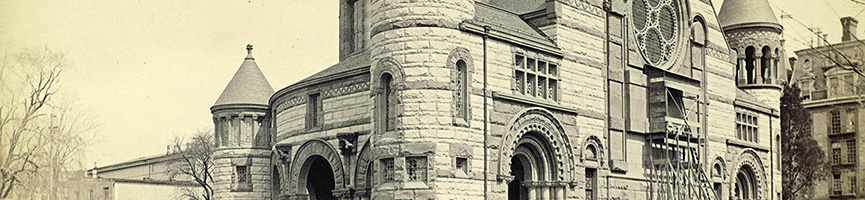
“Prince­ton held its first com­mence­ment in the Newark, New Jer­sey “meet­ing­house.“ Upon mov­ing to Prince­ton in 1756 com­mence­ment ser­vices were held in Nas­sau Hall until 1764 when they were moved to the First Pres­by­ter­ian Church. In 1892 they were moved to Alexan­der Hall and in 1922 moved a final time to out­side the front of Nas­sau Hall, where they are still held today. In the event of rain, com­mence­ment is moved to Jad­win Gym­na­sium. Observed in the fall until 1843, the cel­e­bra­tion was moved to the spring in 1844.

Com­mence­ment activ­i­ties con­tinue for nearly a week, begin­ning with alumni return­ing to cam­pus for alumni/faculty forums on the Thurs­day after­noon before com­mence­ment. Sat­ur­day after­noon the annual alumni P-Rade occurs, as well as class reunions usu­ally held out­doors under tents. On Sun­day stu­dents and their fam­i­lies attend a bac­calau­re­ate ser­vice in the morn­ing, the president’s gar­den party in the after­noon and a con­cert in the evening. Mon­day is devoted to Class Day exer­cises, depart­men­tal recep­tions and a senior dance. For­mal com­mence­ment exer­cises occur on Tues­day. An aca­d­e­mic pro­ces­sion to Nas­sau Hall begins the fes­tiv­i­ties, fol­lowed by an invo­ca­tion, the con­fer­ring of bach­e­lor degrees, recog­ni­tion of hon­ors grad­u­ates, the vale­dic­tory speech, the con­fer­ring of mas­ter, doc­tor and hon­orary degrees, remarks by the pres­i­dent, and the singing of “Old Nassau.”

(From http://paw.princeton.edu/issues/2009/07/15/pages/9577/)

The tra­di­tion of short, typ­i­cally light­hearted speeches from two or three grad­u­at­ing seniors at Class Day began in 2001, when class pres­i­dent Justin Browne ’01 added them to the pro­gram, along with a “celebrity” guest speaker. “A lot of the [Com­mence­ment events] are just pomp and cir­cum­stance,” Browne said, “so we wanted to make Class Day speeches some­thing fun that stu­dents get to do for themselves.”

In the com­ing weeks we will be post­ing a num­ber of com­ple­men­tary posts related to Com­mence­ment Week activ­i­ties, includ­ing a num­ber of newly dig­i­tized items that will be posted on our Reel Mudd Audio­vi­sual Blog.

Princeton wins MARAC Finding Aid Award

We are very pleased to announce that the Prince­ton Uni­ver­sity Library’s Archival Descrip­tion work­ing group has been awarded the 2012 Fred­eric M. Miller Find­ing Aid Award by the Mid Atlantic Regional Archives Con­fer­ence (MARAC). The award rec­og­nizes out­stand­ing find­ing aids and find­ing aid sys­tems in the Mid Atlantic region. Sub­mis­sions are eval­u­ated in the areas of con­tent, design, inno­va­tion, and adher­ence to descrip­tive standards.

Main Page for the new finding aids site

Main Page for the new find­ing aids site

Princeton’s archival descrip­tion work­ing group includes two Mudd staff mem­bers: Mau­reen Calla­han and Dan San­ta­maria, who serves as chair of the group. For­mer Mudd staff mem­ber Regine Heber­lein is also a key mem­ber of the group, as are Don Thorn­bury and John Delaney from Fire­stone Library’s Depart­ment of Rare Books and Spe­cial Col­lec­tions and Jon Stroop and Shaun Ellis of the library’s dig­i­tal ini­tia­tives group.

The group was awarded first prize in the 2012 com­pe­ti­tion for findingaids.princeton.edu, the redesigned find­ing aids inter­face for descrip­tions of Princeton’s archives and man­u­scripts col­lec­tions. The new inter­face was the result of more than a year of close col­lab­o­ra­tion between Depart­ment of Rare Books and Spe­cial Col­lec­tions and Dig­i­tal Ini­tia­tives staff. The site con­tains descrip­tions of all of the archival and man­u­script col­lec­tions held at Prince­ton and includes a num­ber of inno­va­tions including:

Images of the collection in the context of the finding aid

Images of the col­lec­tion in the con­text of the find­ing aid

• Deliv­ery of images of actual col­lec­tions mate­r­ial directly from the find­ing aid interface

Con­tents lists that are sortable by title, date, or phys­i­cal loca­tion in the collection

Enhanced topic fea­tures, list­ing col­lec­tions related to our col­lect­ing strengths

• Bet­ter options for users to con­tact the library and con­nect with each other, includ­ing “Ask a Ques­tion” but­tons for ref­er­ence requests and com­ment­ing fea­tures for users wish­ing to request a descrip­tion enhance­ment or share infor­ma­tion within their own social networks

• Auto­mated request­ing of col­lec­tions mate­r­ial from all con­tents lists

• Direct access to com­po­nents of col­lec­tions (often boxes and fold­ers) from search results and Faceting and brows­ing options from search results.

In addi­tion to the work of the team that devel­oped the find­ing aids site, it should be noted the site is built on data cre­ated by dozens of library staff over the last sev­eral years. The inno­va­tions described above would not be pos­si­ble with­out the work of these staff mem­bers in pro­cess­ing and describ­ing our collections.

The award comes with a small mon­e­tary prize, which will be donated to a small his­tor­i­cal soci­ety in New Jer­sey. While use of the find­ing aids by our patrons is our biggest reward, it’s great to receive recog­ni­tion for the hard work that went into devel­op­ing the site. Con­grat­u­la­tions to every­one involved!

Digitization and the Council on Foreign Relations

In March our ven­dor began scan­ning the first batch of mate­r­ial to be dig­i­tized as part of our grant.  We’ve sent 15 boxes (and over 15,000 pages) of the Coun­cil on For­eign Rela­tions Records to be scanned.  The mate­r­ial will be return­ing to Mudd in April and all 15,000+ images should be avail­able to any­one with an inter­net con­nec­tion later in the Spring.

The Harold Pratt House, Council of Foreign Relations headquarters, New York City.

The Harold Pratt House, Coun­cil of For­eign Rela­tions head­quar­ters, New York City.

As stu­dents and schol­ars of the Cold War know, the Coun­cil is a non­profit, non­par­ti­san research orga­ni­za­tion ded­i­cated to pro­mot­ing improved under­stand­ing of inter­na­tional affairs and to con­tribut­ing ideas to United States for­eign pol­icy.  The Coun­cil records doc­u­ment the work of peo­ple promi­nent in diplo­macy, gov­ern­ment, and busi­ness who come together to study press­ing issues in for­eign pol­icy.  At the time we wrote the grant the Coun­cil on For­eign Rela­tions Records as a whole were the fourth most requested col­lec­tion within Mudd’s Pub­lic Pol­icy Papers; researchers requested and viewed more than 1500 boxes of mate­r­ial from 2008–2011, with many more ask­ing ques­tions or request­ing copies from around the world.

The fif­teen boxes that we are dig­i­tiz­ing doc­u­ment the Council’s Stud­ies Depart­ment.  Some­times referred to as the Council’s “think tank” the Stud­ies Depart­ment spear­heads the Council’s efforts to pro­mote dis­cus­sion on issues shap­ing the inter­na­tional agenda.  The depart­ment includes a large num­ber of schol­ars and research asso­ciates who engage each other, Coun­cil mem­bers, and non-affiliated indi­vid­u­als in research on top­ics and regions related to United States for­eign pol­icy, which his­tor­i­cally have included top­ics such as inter­na­tional trade, arms con­trol, and eco­nomic devel­op­ment, and regions such as the for­mer Soviet Union, the Mid­dle East, and Latin Amer­ica, to name a few.

These records reveal the Council’s work on inter­na­tional prob­lems dur­ing the inter­war years and how, once World War II began, it almost imme­di­ately began study­ing how to estab­lish a last­ing peace upon its con­clu­sion. Though a non-government orga­ni­za­tion, CFR’s mem­bers were part of the for­eign pol­icy estab­lish­ment and the work of its study groups played an influ­en­tial role in post-war plan­ning, as evi­denced by the fact that many of its mem­bers, includ­ing John Fos­ter Dulles, attended the San Fran­cisco Con­fer­ence to estab­lish the United Nations.  In his his­tory of the Coun­cil, Michael Wala writes that “dur­ing World War II the Coun­cil grew into the role of respected advi­sor and lis­ten­ing post for the atti­tude of elites through­out the nation…In its study and dis­cus­sion groups the Coun­cil could assem­ble elites” drawn from pub­lic agen­cies and pri­vate orga­ni­za­tions who were “bound together through for­mal and infor­mal ties.”

These ties are doc­u­mented in the study group records.  In fact, many of the indi­vid­u­als whose papers will be dig­i­tized as part of the grant were involved with or spoke at the Coun­cil.  While we work towards post­ing the study group mate­ri­als dur­ing the com­ing weeks, you can already lis­ten to meet­ings and pre­sen­ta­tions involv­ing Allen Dulles, John Fos­ter Dulles, George Ken­nan, and Adlai Steven­son from our find­ing aids site.

Through­out its his­tory the Coun­cil has been sub­ject to crit­i­cism about its reach and influ­ence. In his book Wala notes that the “devel­op­ment of con­spir­a­to­r­ial the­o­ries about its reach and func­tion” is partly the result of a lack of access to doc­u­men­tary mate­r­ial.  The avail­abil­ity of the Coun­cil records at Mudd over the last decade has helped to address that lack of access and we hope that the avail­abil­ity of the study group mate­r­ial online will open these records to new audiences.

ACLU Court Document Summons King’s Last Days

A recent ref­er­ence inquiry brought to light a doc­u­ment within the Amer­i­can Civil Lib­er­ties Union (ACLU) Records that pro­vides a record of one of the events that took place in the days sur­round­ing the assas­si­na­tion of Dr. Mar­tin Luther King, Jr. on April 4, 1968 in Mem­phis, Tennessee.

Dr. Mar­tin Luther King, Jr., with Dean of the Chapel Ernest Gor­don, at Prince­ton in 1960. His­tor­i­cal Pho­to­graph Col­lec­tion, Indi­vid­u­als Series.

W.J. Michael Cody, an attor­ney in Mem­phis, who, along with his firm, rep­re­sented King and other defen­dants in a case brought by the City of Mem­phis, inquired whether we had doc­u­ments related to these events in the ACLU Records.

The court case at issue con­cerned the City of Mem­phis’ desire to pre­vent a march in sup­port of strik­ing san­i­ta­tion workers—the city wished to ban the demon­stra­tion because an ear­lier san­i­ta­tion work­ers’ march (held on March 28, 1968) had become dis­or­derly and resulted in riot­ing and the use of aggres­sive law enforce­ment mea­sures includ­ing mace and tear gas. King wished to lead another, peace­ful march for the cause, but the City of Mem­phis obtained a tem­po­rary restrain­ing order to pre­vent it from occur­ring (Cody, p. 700).

Cody, a for­mer pres­i­dent of the West Ten­nessee Chap­ter of the ACLU, was con­tacted by ACLU Gen­eral Coun­sel Mel Wulf, and asked whether his firm, Burch Porter & John­son, would rep­re­sent King in a case to lift the restrain­ing order and allow the march to pro­ceed legally. On the evening of April 3, in the midst of the defense’s prepa­ra­tions for the case, King gave his well-known “I’ve Been to the Moun­tain­top” speech to the san­i­ta­tion work­ers and their fam­i­lies at the Mason Tem­ple (Cody, p. 700).  Accord­ing to the doc­u­ment below from the ACLU records, the hear­ing was held on the day of April 4, and the court decided that the march could pro­ceed under a set of con­di­tions that would help to ensure its order­li­ness.  That evening, King was assas­si­nated at the Lor­raine Motel.

The three-page court doc­u­ment from the ACLU Records, filed April 5, 1968, indi­cates that the Coun­sel for the City changed its posi­tion after the tragic event and joined with the defen­dants in their efforts to allow the march to pro­ceed with the pro­vi­sions listed.

Opinion and Temporary Injunction (page 1), ACLU Records, Subgroup 2, Box 656, Folder 2

Opin­ion and Tem­po­rary Injunc­tion (page 1), ACLU Records, Sub­group 2, Box 656, Folder 2

Opinion and Temporary Injunction (page 2), ACLU Records, Subgroup 2, Box 656, Folder 2

Opin­ion and Tem­po­rary Injunc­tion (page 2), ACLU Records, Sub­group 2, Box 656, Folder 2

Opinion and Temporary Injunction (page 3), ACLU Records, Subgroup 2, Box 656, Folder 2

Opin­ion and Tem­po­rary Injunc­tion (page 3), ACLU Records, Sub­group 2, Box 656, Folder 2

Cody recounts the com­plex and com­pelling events of this period in Mem­phis in his arti­cle “King at the Moun­tain Top: The Rep­re­sen­ta­tion of Dr. Mar­tin Luther King, Jr., Mem­phis, April 3–4, 1968,” The Uni­ver­sity of Mem­phis Law Review, Vol. 41, pages 699–707.


New Accession: Atomic-bombed Roof Tiles from Hiroshima University

The Uni­ver­sity Archives was recently given the honor and respon­si­bil­ity of pro­vid­ing a home for seven roof tiles that sus­tained dam­age in the atomic bomb­ing of Hiroshima, Japan on August 6, 1945.  The roof tiles were col­lected in a river bed near ground zero of the atomic bomb explosion.

3 of the 7 tiles.

3 of the 7 tiles.

Along with the roof tiles, the dona­tion includes pho­tographs of the loca­tion where the tiles were recov­ered; book­lets and pam­phlets on the bomb­ings of Hiroshima and Nagasaki; and doc­u­ments related to the artifacts.

Hiroshima Uni­ver­sity was dec­i­mated in the atomic bomb attack— most of its stu­dents and fac­ulty mem­bers per­ished and its build­ings were demol­ished.  In the post-war period, Hiroshima University’s pres­i­dent Tat­suo Morito reached out to uni­ver­si­ties world-wide to help to renew the insti­tu­tion by send­ing books for its library and saplings to bring its grounds back to life.

IMG_0012IMG_0011

Prince­ton was among the schools that responded in 1951 by pro­vid­ing both a book for the library’s col­lec­tion and a mon­e­tary dona­tion for the pur­chase of a native tree for the cam­pus; and now, in cel­e­bra­tion of its 80th anniver­sary, Hiroshima Uni­ver­sity is rec­i­p­ro­cat­ing by donat­ing these artifacts.

The roof tiles are dis­trib­uted by Hiroshima University’s Asso­ci­a­tion for Send­ing Atomic-bombed Roof Tiles in order to per­pet­u­ate aware­ness of the dev­as­tat­ing effects of the atomic bomb­ings in Japan, and to oppose the use and pro­lif­er­a­tion of nuclear weapons.  In a let­ter that accom­pa­nies the dona­tion, Toshi­masa Asa­hara, Pres­i­dent of Hiroshima Uni­ver­sity, explains:

The threat of nuclear weapons still exists in many areas of the world.  It is our earnest desire, how­ever, that the pain and sad­ness expe­ri­enced in Hiroshima not be re-created any­where else in the world.

This wish is not only the wish of those of us liv­ing today but rep­re­sents the silent voices of the 240,000 Hiroshima cit­i­zens who per­ished from the atomic bomb.  We believe it is also the will of oth­ers such as your­selves who will work together with us to build a peace­ful future for the world.

See the Atomic-bombed Roof Tiles from Hiroshima Uni­ver­sity Find­ing Aid


Why — and How — We Digitize

It’s Feb­ru­ary, and we’re now in the sec­ond month of our NHPRC-funded dig­i­ti­za­tion project. In twenty-three more months, we’ll have com­pleted scan­ning and upload­ing 400,000 pages of our most-viewed mate­r­ial to our find­ing aids, and any­one with an inter­net con­nec­tion will be able to view it.

This is just the most recent effort to intro­duce dig­i­ti­za­tion as a nor­mal part of our prac­tice at Mudd. As I said in my pre­vi­ous post, we know that it’s well and good that we have col­lec­tions that doc­u­ment the his­tory of US diplo­macy, eco­nom­ics, jour­nal­ism and civil rights in the twen­ti­eth and twenty-first cen­turies. But for the major­ity of poten­tial users, who may never be able to come to Prince­ton, NJ, this is irrel­e­vant. How­ever inter­ested they may be, they may never be able to afford to visit us. And there’s a whole other sub­set of poten­tial users — let’s call them work­ing peo­ple — who can’t come between the hours of 9:00 and 4:45, Mon­day through Fri­day. Are we really pro­vid­ing fair and equi­table access under these con­di­tions? Since we have the resources to dig­i­tize, it’s imper­a­tive that we develop the infra­struc­ture and polit­i­cal will to do so.

We know that it’s time to get seri­ous — and smart — about scanning.

The ball has been rolling in this direc­tion for some time. We have three “streams” of mak­ing dig­i­tal con­tent avail­able, and with our new find­ing aids site, we have an intu­itive way of link­ing descrip­tions of our mate­ri­als to the mate­ri­als themselves.

Images of the collection in the context of the finding aid

Images of the col­lec­tion in the con­text of the find­ing aid

Our first is patron-driven digitization.

The Zeutschel -- our amazing German powerhouse face-up scanner

This is our Zeutschel scan­ner. It does amaz­ing work, is easy on our mate­ri­als, and usu­ally requires very lit­tle qual­ity control.

Archives have been pro­vid­ing pho­todu­pli­ca­tion ser­vices since the advent of the pho­to­copier. At Mudd, we have ded­i­cated staff who have been doing this work for decades. Recently, we’ve just slightly tweaked our processes to cre­ate scans instead of paper copies and to (in many cases) re-use the scans that we make so that they’re avail­able to all patrons, not just the one request­ing the scan.

A patron (maybe you!) finds some­thing in our find­ing aids that he thinks he may be inter­ested in, and asks for a copy.

If he’s in our read­ing room, he flags the pages of mate­r­ial he wants. If he’s remote, he iden­ti­fies the fold­ers or vol­umes to be scanned. The archivist tells him how much the scan will cost, and he pre-pays.

Now, the scan­ning. This either hap­pens on our pho­to­copier (the tech­ni­cian can press “scan” instead of “pho­to­copy” to cre­ate a dig­i­tal file instead of a paper one) or on our Zeutschel scan­ner. And while we feel happy and lucky to have the Zeutschel, we don’t strictly need it to ful­fill our mis­sion to digitize.

The scan is named in a way that asso­ciates it with the descrip­tion of the mate­r­ial in the find­ing aid, and is then linked up and served online. We cur­rently send the patron an email of this scan, but in the future we may just send them a link to the uploaded content.

Our sec­ond stream is tar­geted dig­i­ti­za­tion based on users’ view­ing patterns

Our friendly student receptionist, Ashley, scans materials at the front desk when she isn't welcoming patrons.

Our stu­dent recep­tion­ist, Ash­ley, scans mate­ri­als at the front desk when she isn’t wel­com­ing patrons.

We try to keep lots of good infor­ma­tion about what our users find inter­est­ing. We use a ser­vice called google ana­lyt­ics to learn about what users are brows­ing online, and we keep sta­tis­tics about which phys­i­cal mate­ri­als patrons see in the read­ing room.

From these sources, we cre­ate a list of most-viewed mate­ri­als, and set up a sys­tem for our stu­dents to scan them in their down­time when they’re work­ing at the front desk.

We do this because we want to make sure that we’re putting the effort into dig­i­tiz­ing resources that patrons actu­ally want to see — there are more than 35,000 lin­ear feet of mate­ri­als at the Mudd Library. We prob­a­bly won’t ever be able to dig­i­tize absolutely every­thing, and it wouldn’t make sense to start from “A” and go to “Z”. So, we pay atten­tion to trends and try to antic­i­pate what researchers might find useful.

Our final stream — and the one for which we cur­rently have to rely on exter­nal sup­port — is large-scale vendor-supplied digitization.

Our cur­rent cold war project is a great exam­ple of this. We’ve put together a project plan, cho­sen mate­ri­als, called for quotes and cho­sen a ven­dor. We recently shipped our first col­lec­tion to be dig­i­tized, and I’ll be post­ing infor­ma­tion to the blog as we move forward.

Another good exam­ple of an externally-supported dig­i­ti­za­tion activ­ity is the scan­ning of micro­film from our Amer­i­can Civil Lib­er­ties Union Records. Our ear­li­est records were micro­filmed decades ago and recently, Pro­fes­sor Sam Walker sup­ported the dig­i­ti­za­tion of some of this micro­film so that they could be made avail­able online.

No sin­gle stream — externally-supported projects, left-to-right scan­ning, or patron-driven dig­i­ti­za­tion — would be enough to sup­port our goal of max­i­miz­ing the con­tent avail­able online. We hope that the three, each pur­sued aggres­sively, will help us real­ize our mis­sion of pro­vid­ing equi­table access to our mate­ri­als. And we think that focus­ing on this cold war project will help us reflect on and improve all of our dig­i­ti­za­tion activities.

Mudd Library Awarded Grant to Provide Global Access to Records of the Cold War

by: Mau­reen Callahan

The his­to­rian John Lewis Gad­dis, author of a 2012 Pulitzer Prize-winning biog­ra­phy of George Ken­nan, has stated that the Mudd Library holds “the most sig­nif­i­cant set of papers for the study of mod­ern Amer­i­can his­tory out­side of fed­eral hands.”

This may be true, but is often only rel­e­vant to researchers who have the resources to access them. We have worked dili­gently to make sure peo­ple could find infor­ma­tion about our col­lec­tions, but until now, there were only a very few ways to actu­ally study these records – come to Prince­ton, New Jer­sey and access them in the read­ing room, or order pho­to­copies of what you think you might be inter­ested in, based on descrip­tions in our find­ing aids (we also have a few col­lec­tions dig­i­tized and online, and some micro­filmed col­lec­tions of our records may be in your local library).

We want to change this to make it eas­ier for every­one to access our mate­ri­als. Thanks to the gen­eros­ity of the National His­tor­i­cal Pub­li­ca­tions and Records Com­mis­sion (NHPRC), a taxpayer-funded orga­ni­za­tion that sup­ports efforts to pro­mote doc­u­men­tary sources, over 400,000 pages of records from six of our most-used col­lec­tions will be dig­i­tized and put online for any­one with an inter­net con­nec­tion to access. We hope that our records will become newly acces­si­ble and indis­pen­si­ble to inter­na­tional researchers, high school and col­lege stu­dents, and any­one else with an inter­est in the his­tory of the Cold War.  As Gad­dis wrote in a let­ter of sup­port for our grant, this kind of access “has the poten­tial, quite lit­er­ally, to glob­al­ize the pos­si­bil­ity of doing archival research. That’s no guar­an­tee that this will pro­duce a greater num­ber of great books than in the past. What it will ensure, how­ever, is a quan­tum leap in the oppor­tu­ni­ties stu­dents and their teach­ers will have to bring the excite­ment of work­ing with orig­i­nal doc­u­ments into all classrooms.”

Col­lec­tions include:

John Fos­ter Dulles Papers

John Fos­ter Dulles (1888–1959), the fifty-third Sec­re­tary of State of the United States for Pres­i­dent Dwight D. Eisen­hower, had a long and dis­tin­guished pub­lic career with sig­nif­i­cant impact upon the for­mu­la­tion of United States for­eign poli­cies. He was espe­cially involved with efforts to estab­lish world peace after World War I, the role of the United States in world gov­er­nance, and Cold War rela­tions between the United States and the Soviet Union. The Dulles papers doc­u­ment his entire pub­lic career and his influ­ence on the for­ma­tion of United States for­eign pol­icy, espe­cially for the period when he was Sec­re­tary of State.

We plan to dig­i­tize the following:

Series 1. Selected Cor­re­spon­dence 1891–1960

Series 3. Diaries and Jour­nals 1907–1938

Series 5. Speeches, State­ments, Press Con­fer­ences, Etc 1913–1958


George Ken­nan Papers

George F. Ken­nan (1904–2005) was a diplo­mat and a his­to­rian, noted espe­cially for his influ­ence on United States pol­icy towards the Soviet Union dur­ing the Cold War and for his schol­arly exper­tise in the areas of Russ­ian his­tory and for­eign pol­icy. Kennan’s papers doc­u­ment his career as a scholar at the Insti­tute for Advanced Study and his time in the For­eign Service.

We plan to dig­i­tize the following:

Sub­series 1A, Per­ma­nent Cor­re­spon­dence 1947–2004

Sub­series 4D, Major Unused Drafts 1933–1978

Sub­series 4G, Unpub­lished Works 1938–2000


Coun­cil on For­eign Rela­tions Records

The Coun­cil on For­eign Rela­tions is a non­profit, non­par­ti­san research and national mem­ber­ship orga­ni­za­tion ded­i­cated to improv­ing under­stand­ing of inter­na­tional affairs by pro­mot­ing a range of ideas and opin­ions on United States for­eign pol­icy. The Coun­cil has had a sig­nif­i­cant impact in the devel­op­ment of twen­ti­eth cen­tury United States for­eign pol­icy. The Records of the Coun­cil on For­eign Rela­tions doc­u­ment the his­tory of the orga­ni­za­tion from its found­ing in 1921 through the present.

We plan to dig­i­tize the following:

Stud­ies Depart­ment 1918–1945


Allen W. Dulles Papers

The Allen W. Dulles Papers con­tains cor­re­spon­dence, speeches, writ­ings, and pho­tographs doc­u­ment­ing the life of this lawyer, diplo­mat, busi­ness­man, and spy. One of the longest-serving direc­tors of the Cen­tral Intel­li­gence Agency (1953–1961), he also served in a key intel­li­gence post in Bern, Switzer­land dur­ing World War II, as well as on the War­ren Commission.

We plan to dig­i­tize the following:

Series 1, Cor­re­spon­dence 1891–1969

Series 4, War­ren Com­mis­sion Files 1959–1967


Adlai E. Steven­son Papers

The Adlai E. Steven­son Papers doc­u­ment the pub­lic life of Adlai Steven­son (1900–1965), gov­er­nor of Illi­nois, Demo­c­ra­tic pres­i­den­tial can­di­date, and United Nations ambas­sador. The col­lec­tion con­tains cor­re­spon­dence, speeches, writ­ings, cam­paign mate­ri­als, sub­ject files, United Nations mate­ri­als, per­sonal files, pho­tographs, and audio­vi­sual mate­ri­als, illu­mi­nat­ing Stevenson’s career in law, pol­i­tics, and diplo­macy, pri­mar­ily from his first pres­i­den­tial cam­paign until his death in 1965.

We plan to dig­i­tize the following:

Sub­series 5D, U.S. Ambas­sador to the United Nations 1946–1947


James For­re­stal Papers

James V. For­re­stal (1892–1949) was a Wall Street busi­ness­man who played an impor­tant role in U.S. mil­i­tary oper­a­tions dur­ing and imme­di­ately after World War II. From 1940 to 1949 For­re­stal served as, in order, assis­tant to Pres­i­dent Roo­sevelt, Under Sec­re­tary of the Navy, Sec­re­tary of the Navy, and the first Sec­re­tary of Defense.

We plan to dig­i­tize the following:

Sub­series 1A, Alpha­bet­i­cal Correspondence

Sub­series 5A, Diaries


Dig­i­ti­za­tion will occur over the course of two years, and mate­ri­als will be added to the web as they are dig­i­tized. Please be in touch with us if you have any ques­tions about any of our materials.


Penumbral Eclipse of the Heart

by: Amanda Pike

A penum­bral lunar eclipse took place ear­lier this morn­ing, the last of four eclipses observed this year. Unfor­tu­nately, here in Prince­ton, the eclipse was not vis­i­ble since it began after moon­set. How­ever, there is still an oppor­tu­nity to observe an eclipse at the Mudd Library!

waynesboro_expedition_1

The Prince­ton Uni­ver­sity Archives houses the Prince­ton Sci­en­tific Expe­di­tions Col­lec­tion, which includes a series specif­i­cally on astro­nom­i­cal expe­di­tions from the mid-19th cen­tury through the early 20th cen­tury. This col­lec­tion doc­u­ments the work of var­i­ous sci­en­tific expe­di­tions con­ducted under the aegis of Prince­ton Uni­ver­sity, though the his­tory of these expe­di­tions is frag­men­tary. From the infor­ma­tion within the col­lec­tion, it appears that the ear­li­est such enter­prises were astro­nom­i­cal, as the college’s pro­fes­sor Stephen Alexan­der jour­neyed to Geor­gia in 1834 to observe an eclipse of the sun. While no notice of this has been found in the trustees’ min­utes of the time, at least two of three sub­se­quent eclipse expe­di­tions (in 1854, 1860, and 1869) were offi­cial col­lege inves­ti­ga­tions, duly autho­rized and funded by the trustees. Alexander’s suc­ces­sor, Pro­fes­sor C. A. Young, led his own eclipse expe­di­tions to Col­orado in 1878, to Rus­sia in 1887, and to North Car­olina in 1900. An 1882 jour­ney to observe the tran­sit of Venus is, so far, the only other iden­ti­fied astro­nomic expe­di­tion of the 19th century.

The images below doc­u­ment a solar eclipse observed in Wades­boro, North Car­olina in 1900, as well as the equip­ment used to cap­ture the images.

waynesboro_expedition_2

waynesboro_expedition_3

waynesboro_expedition_4

Fur­ther infor­ma­tion on the Prince­ton Sci­en­tific Expe­di­tions Col­lec­tion can be found using the collection’s find­ing aid online.

Revised Dissertation Embargo Policy in Effect

The new pol­icy for the Pub­li­ca­tion, Access, and Embar­go­ing of Doc­toral Dis­ser­ta­tions, which was approved on May 14, 2012, is now in full effect.

The new pol­icy enables each grad­u­ate stu­dent to request a two-year embargo on his or her dis­ser­ta­tion, with the poten­tial for renewal. When approved, the embargo applies to the dissertation’s avail­abil­ity in Pro­Quest, as well as in Princeton’s dig­i­tal repos­i­tory, Data­Space. If not embar­goed, dis­ser­ta­tions are made avail­able in full-text to sub­scrib­ing insti­tu­tions via Pro­Quest, and in full-text on the Inter­net through DataSpace.

Indi­vid­u­als who sub­mit­ted their dis­ser­ta­tions between Sep­tem­ber 29, 2011 and June 19, 2012 had an oppor­tu­nity to request an embargo retroac­tively. They were con­tacted by email on June 19, 2012 (and again on Sep­tem­ber 7, 2012) and given until Octo­ber 15, 2012 to request approval for their embargo. The dis­ser­ta­tions that were not embar­goed dur­ing this period were released to uni­ver­sal acces­si­bil­ity via Data­Space on Novem­ber 5, 2012.*

The process of gain­ing approval for an embargo is gov­erned by the Grad­u­ate School. Stu­dents who wish to embargo their dis­ser­ta­tion should fill out the Dis­ser­ta­tion Embargo Request and Approval Form, obtain an approval sig­na­ture from their advi­sor or a com­mit­tee mem­ber, and sub­mit the form as part of the Advanced Degree Appli­ca­tion Process. Writ­ten con­fir­ma­tion of the embargo approval from the Grad­u­ate School must be pre­sented in hard copy at the time of sub­mis­sion to the Mudd Man­u­script Library.

Details about sub­mit­ting your dis­ser­ta­tion to the Mudd Man­u­script Library are here: http://www.princeton.edu/~mudd/thesis/index.shtml

*As an interim mea­sure while the new pol­icy was being devel­oped, on March 23, 2012, all dis­ser­ta­tions that had been deposited in Data­Space in the fall of 2011 were restricted to the Prince­ton net­work. Those sub­mit­ted in the spring of 2012 were also lim­ited to the Prince­ton net­work. All dis­ser­ta­tions from Sep­tem­ber 29, 2011 and for­ward that were not embar­goed were released uni­ver­sally via Data­Space on Novem­ber 5, 2012.