Nineteenth-century letters move into 21st century

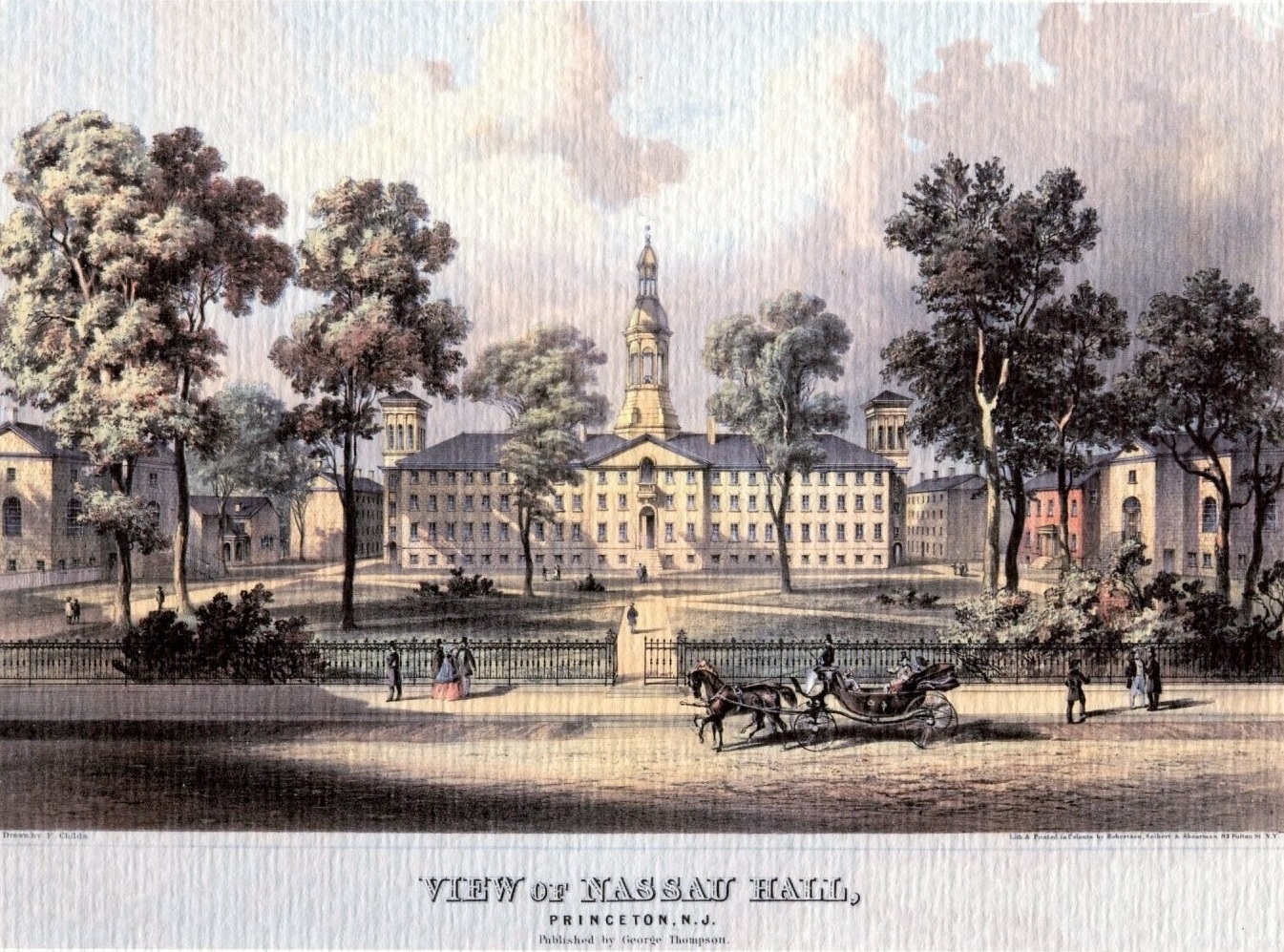
A col­lec­tion of John Maclean’s papers are now avail­able online. Maclean, the 10th pres­i­dent of Prince­ton Uni­ver­sity, served from 1854–1868 when the insti­tu­tion was known as the Col­lege of New Jer­sey. The let­ters, acquired last year, were scanned and loaded as PDFs and linked to the collection’s find­ing aid via its folder list. These let­ters to and from John Maclean doc­u­ment the his­tory of the Col­lege of New Jer­sey as well as fam­ily mat­ters. Maclean was the son of Princeton’s first chem­istry pro­fes­sor, and the papers include the 1814 inven­tory of the estate of his father, John Maclean, Sr. One of the more inter­est­ing doc­u­ments pro­vides evi­dence of New Jersey’s con­nec­tions to slav­ery. See the last two entries of p. 3 of this inven­tory, found in Box 4, Folder 11.

Newly acquired photo album contains heretofore unknown photos of Woodrow Wilson and Mark Twain

Wilson1_325wA won­der­ful end of the year gift came to the Prince­ton Uni­ver­sity Archives through the gen­eros­ity of four alumni who serve on the Prince­to­ni­ana Com­mit­tee. The item, a photo album from a Class of 1904 grad­u­ate, was for sale on eBay. Don­ald Far­ren ’58 noted its avail­abil­ity and joined by Dave Cleaves ’78, Scott Clemons ’90, and Sev Onyshkevych ’83, saw that it made its way to the Archives.

The seller had adver­tised the Woodrow Wil­son image (right) but had made no men­tion of the image of Samuel Clemens aka Mark Twain whose pho­to­graph was on the same page (below). The images were taken dur­ing Wilson’s inau­gu­ra­tion as Prince­ton pres­i­dent in Octo­ber 1902, and another image of Wil­son taken that day is also found within the book.

Twain_325w

The vol­ume, com­piled by William Alsop Bours, also con­tains numer­ous can­did shots of under­grad­u­ate stu­dent life, includ­ing Prince­ton build­ings, snow scenes, stu­dents, dor­mi­to­ries, sport­ing and social events, as well as a set of pic­tures from a trip to Rome. The vol­ume has been added to the His­tor­i­cal Phot­graph Col­lec­tion, Stu­dent Album series.

Mudd Library elevator out of service

Picture%20006Since Decem­ber 16, the Mudd Library’s ele­va­tor has been out-of-service, as the 32-year old sys­tem is under­go­ing an upgrade. Sched­uled to be unavail­able until the end of Jan­u­ary, patrons are advised that box retrieval may take longer than the usual 10 min­utes and that patrons may be asked to limit the num­ber of boxes recalled at any one time, depend­ing on cir­cum­stances.Picture%20001 Pic­tured in this blog entry are (from top): the ele­va­tor in its present state as seen from the first floor; the old hydraulic con­troller after it was removed from the ele­va­tor closet; and the cur­rent means of gain­ing access to our stacks.Picture%20004

Princeton and the 1918 flu epidemic

The recent issue of the Prince­ton Alumni Weekly has an arti­cle by Mark F. Bern­stein ’83 on Prince­ton and the 1918 flu epi­demic enti­tled “Why Prince­ton was spared.” Within the arti­cle, Bern­stein cites the Uni­ver­sity of Michigan’s Cen­ter for the His­tory of Med­i­cine 2005 study on the pan­demic for which Mudd Library pro­vided doc­u­ments. The Center’s web­site has scanned these and other doc­u­ments from the National Archives, as well as clip­pings from the Prince­ton Packet. These mate­ri­als explain how Prince­ton responded to an epi­demic that claimed mil­lions of lives world­wide, yet the Uni­ver­sity escaped with no loss of life. (The fact that Prince­ton could have just been lucky is not ruled out.) The episode is more than a his­tor­i­cal curios­ity; it has also been exam­ined by those inter­ested in mod­ern threats like bioter­ror­ism and pos­si­ble new pan­demics like avian flu and demon­strates one of the val­ues of archival records.

More blogging on blogs

Accord­ing to their own web­site, The Prox “is a blog about cam­pus life, issues, and events at Prince­ton Uni­ver­sity hosted by The Daily Prince­ton­ian and writ­ten by staff from sev­eral depart­ments, includ­ing Opin­ion and Web.” We like it because it has a recur­ring sec­tion enti­tled “Dig­gin’ in the Mudd” that fea­tures mate­ri­als from our hold­ings. Authored by Martha Vega, she also pho­tographs and then posts items to the site, and, most impor­tant from our point of view, gives us credit! One fun fea­ture of the blog is that cer­tain phrases and sen­tences are writ­ten but struck-out like this, so that you can read the straight news or a more sar­cas­tic inter­pre­ta­tion. I guess this is so Martha doesn’t ruin her chances to work for the Wall Street Jour­nal some day.

Dulles centennial talk and reception

In honor of the cen­ten­nial of John Fos­ter Dulles’s grad­u­a­tion from Prince­ton Uni­ver­sity, the See­ley G. Mudd Man­u­script Library in con­junc­tion with the Woodrow Wil­son School of Pub­lic and Inter­na­tional Affairs presents Chris Tudda, author of The Truth is Our Weapon: The Rhetor­i­cal Diplo­macy of Dwight D. Eisen­hower and John Fos­ter Dulles. Tudda will speak on Mon­day, Novem­ber 10, 2008, 4:30 p.m., Woodrow Wil­son School, Bowl 10. A recep­tion at Mudd Library fol­lows the talk where the exhi­bi­tion “John Fos­ter Dulles: From Diploma to Diplo­mat” is on view.

Chris Tudda is a His­to­rian in the Declas­si­fi­ca­tion and Pub­lish­ing Divi­sion in the Office of the His­to­rian, Depart­ment of State, where he declas­si­fies man­u­scripts for the For­eign Rela­tions of the United States series and co-produces the Office’s internet-only pub­li­ca­tions. He is also cur­rently com­pil­ing a vol­ume on the Carter Administration’s United Nations and Arms Con­trol poli­cies for FRUS. He earned a B.A. from the Uni­ver­sity of Ver­mont in 1987 and the Ph.D. from Amer­i­can Uni­ver­sity in 2002. He is the author of The Truth is our Weapon: The Rhetor­i­cal Diplo­macy of Dwight D. Eisen­hower and John Fos­ter Dulles pub­lished by Louisiana State Uni­ver­sity in April 2006. He is the author of the forth­com­ing book chap­ter, “The Devil’s Advo­cate: Robert Bowie, West­ern Euro­pean Inte­gra­tion, and the Ger­man Prob­lem, 1953–54,” in Anna K. Nel­son, ed., For­eign Poli­cies and the Men who Made Them (Row­man & Lit­tle­field, fall 2008). His arti­cle “A Mes­siah that will Never Come: British Rec­on­cil­i­a­tion Efforts, Amer­i­can Inde­pen­dence, and Rev­o­lu­tion­ary War Diplo­macy,” will be pub­lished in the win­ter issue of Diplo­matic His­tory. He is cur­rently research­ing a reassess­ment of Amer­i­can Rev­o­lu­tion­ary War Diplo­macy and writ­ing a his­tory of U.S.-China rela­tions dur­ing the first Nixon administration.

From Diploma to Diplomat: Princeton exhibition honors John Foster Dulles

MC016

John Fos­ter Dulles: From Diploma to Diplo­mat,” a new exhi­bi­tion at the See­ley G. Mudd Man­u­script Library, cel­e­brates the cen­ten­nial of John Fos­ter Dulles’ grad­u­a­tion from Prince­ton Uni­ver­sity in 1908 with a chron­i­cle of his diplo­matic career and his influ­ence on U.S. for­eign pol­icy. The exhi­bi­tion opens Mon­day, Aug. 11, and runs through Fri­day, Jan. 30.

Based on the life and work of Dulles (1888–1959), it begins with his work while still a Prince­ton stu­dent as secretary-clerk of the China del­e­ga­tion at the Sec­ond Hague Peace Con­fer­ence in 1907 and cul­mi­nates with his ser­vice as sec­re­tary of state for Pres­i­dent Eisen­hower from 1953 to 1959.

Draw­ing pre­dom­i­nantly from the John Fos­ter Dulles Papers, as well as other related Mudd Library col­lec­tions, the exhi­bi­tion tracks his diplo­matic career that spanned both World Wars and the Cold War. As a young diplo­mat, Dulles par­tic­i­pated in the Treaty of Ver­sailles nego­ti­a­tions after World War I. Fol­low­ing his involve­ment in stud­ies on fos­ter­ing world peace dur­ing the 1940s, he also served as the U.S. rep­re­sen­ta­tive to the United Nations and nego­ti­ated sev­eral treaties for Pres­i­dent Tru­man, includ­ing the Japan­ese Peace Treaty of 1951 which for­mally ended World War II. As Eisenhower’s sec­re­tary of state, Dulles ush­ered in a period of hard-line diplo­macy that shaped both the country’s rela­tion­ship with the Soviet Union and over­all Cold War doctrine.

Con­tinue read­ing

Council on Foreign Relations historical sound recordings now available online

Off-the-record remarks by heads of state and promi­nent diplo­mats can be heard in sound record­ings of meet­ings held by the Coun­cil on For­eign Rela­tions (CFR) that are now avail­able to researchers online through the See­ley G. Mudd Man­u­script Library. The dig­i­tal audio from the meet­ings can be accessed via an elec­tronic find­ing aid on the library’s website.

The records of the influ­en­tial Amer­i­can for­eign pol­icy orga­ni­za­tion include more than 300 reel-to-reel tapes fea­tur­ing speak­ers at their meet­ing pro­grams. These record­ings cap­ture speeches given by inter­na­tional fig­ures such as for­mer U.S. Pres­i­dent Harry Tru­man; for­mer U.S. sec­re­taries of state John Fos­ter Dulles and Henry Kissinger; for­mer heads of state Kon­rad Ade­nauer of West Ger­many, Haile Selassie of Ethiopia and Yitzhak Rabin of Israel; and for­mer U.S. national secu­rity adviser Brent Scowcroft.

The meet­ings span 1953 to 1989 and open records are avail­able imme­di­ately. (Records of CFR are closed for 25 years from the date of cre­ation and audio files that cur­rently are restricted will be opened on a yearly basis).

Con­tinue read­ing

Meet John DeLooper

DeLooperName: John DeLooper

Title and Duties: Spe­cial Col­lec­tions Assistant

I pro­vide pub­lic ser­vice at the recep­tion desk, includ­ing reg­is­ter­ing patrons, record­ing the cir­cu­la­tion of mate­ri­als and pho­to­copy orders, and assist­ing vis­i­tors to the Mudd Library with ini­tial ref­er­ence inquiries. I also respond to e-mail ref­er­ence ques­tions, and cre­ate and main­tain data­bases that aid in the com­pi­la­tion of monthly sta­tis­tics for Mudd’s cir­cu­la­tion and pub­lic ser­vice oper­a­tions. In addi­tion, I sched­ule classes and meet­ings in the library’s class­room, and work on other assorted projects such as assem­bling exhi­bi­tions and the James A. Baker III Oral His­tory Project.

Recent projects: I con­tributed the 1983 case for the 2008 Alumni Exhi­bi­tion, and cre­ated a new data­base to han­dle our cir­cu­la­tion that will replace the old DOS-era sys­tem in use since 1992.

Worked at Mudd since: August 2, 2007.

Why I like my job/archives: I wanted to work in a library/archives set­ting because I enjoy help­ing oth­ers find infor­ma­tion. Work­ing with our col­lec­tions is like work­ing with his­tory hands on, and I get to see the results of the work every­body puts in at the Mudd Library through the enthu­si­asm and joy researchers show when we help them find an unex­pected resource or item.

Favorite item/collection: His­tor­i­cal Pho­to­graph Collection–seeing how the uni­ver­sity, its build­ings, and stu­dents have changed over the years is a way to step into the past and make his­tory feel alive. It is amaz­ing to see both what has changed and how much remains constant.

*Please note that as of Sep­tem­ber 2011, John has moved on to become a ref­er­ence archivist at Hud­son County Com­mu­nity Col­lege. We wish John the very best in his endeav­ors in his new pro­fes­sional position.*