What materials on the 1896 Olympics do you have?

There are a num­ber of col­lec­tions at the See­ley G. Mudd Man­u­script Library which doc­u­ment Princeton’s con­nec­tion to the Olympic move­ment of the late 19th cen­tury, as well as sev­eral related resources in the Man­u­script Divi­sion at Fire­stone. What fol­lows is a list of our major hold­ings which relate in some way to the topic, with links to find­ing aids and cat­a­log records wher­ever pos­si­ble. It is by no means exhaus­tive; how­ever it should prove a use­ful start­ing point for research.

Con­tinue read­ing

Guide to Economics Collections Now Available

One of the strengths of the Pub­lic Pol­icy Papers at the See­ley G. Mudd Man­u­script Library is 20th cen­tury eco­nomic thought and devel­op­ment. The Eco­nom­ics col­lec­tions dis­cussed here are now part of a guide to all of Mudd’s eco­nom­ics col­lec­tions, found here.

The col­lec­tions doc­u­ment eco­nomic activ­ity on every set­tled con­ti­nent and include the papers of impor­tant gov­ern­ment offi­cials and advi­sors, influ­en­tial schol­ars, bankers and busi­ness­men, and the records of for-profit and non-profit devel­op­ment and advo­cacy orga­ni­za­tions. As a whole, they com­prise a valu­able resource for schol­ars to study Amer­i­can eco­nomic pol­icy and the ideas of some of the lead­ing eco­nomic minds of the 20th cen­tury and their impact on the emerg­ing world econ­omy, espe­cially in devel­op­ing nations. The col­lec­tions are par­tic­u­larly strong in doc­u­ment­ing the sub­ject areas of pub­lic and inter­na­tional finance, eco­nomic devel­op­ment, United States for­eign eco­nomic poli­cies, and eco­nomic poli­cies in Latin America.

Maclean Papers Acquired With Support of Princetoniana Committee Members

Maclean%20inventory%20reduced%20size

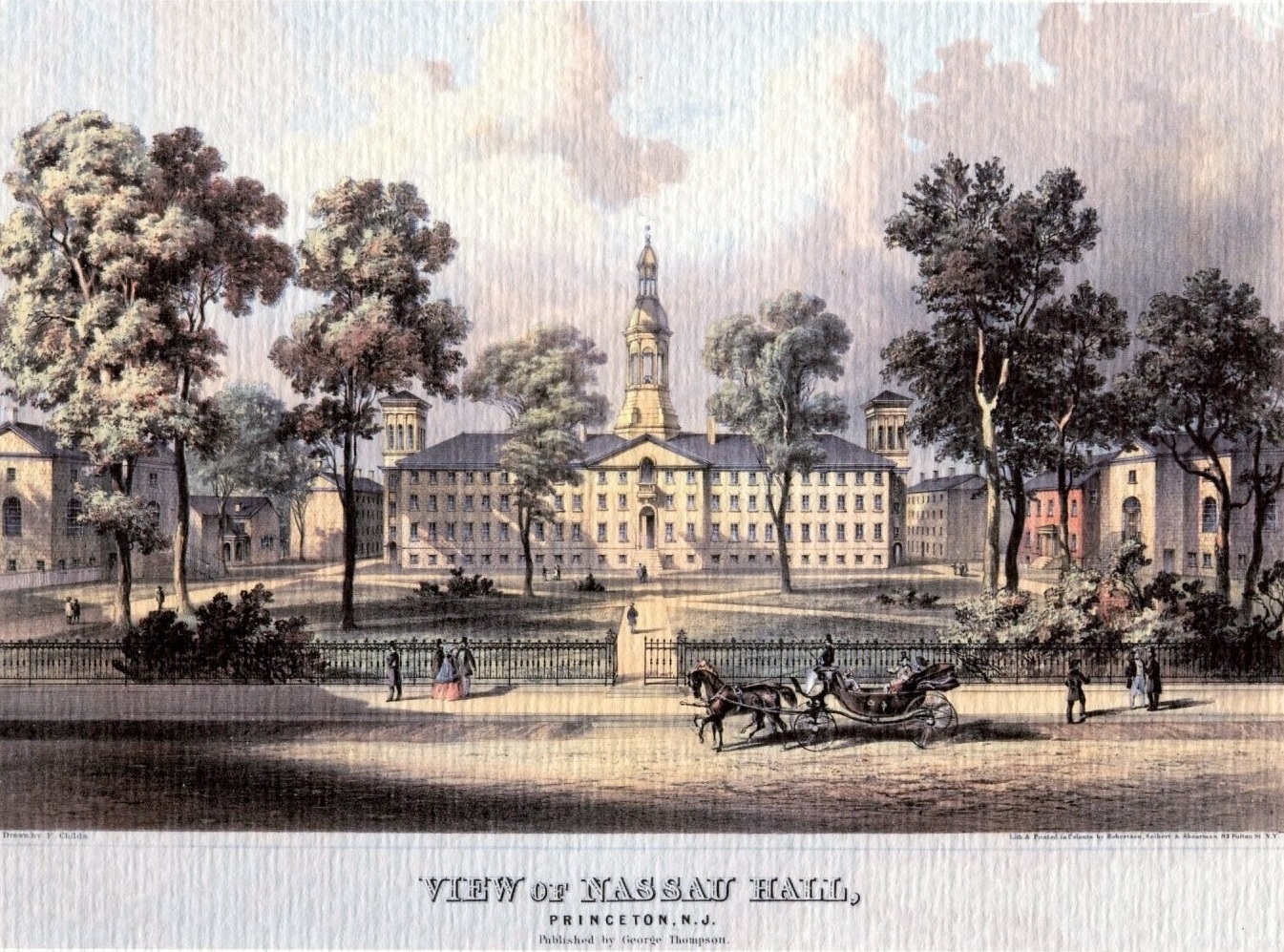
A sig­nif­i­cant col­lec­tion of John Maclean, Jr. Papers has been acquired by the Uni­ver­sity Archives, thanks to the gen­eros­ity of 11 Prince­to­ni­ana Com­mit­tee mem­bers. Maclean, Pres­i­dent of the Col­lege of New Jer­sey from 1854–1868, saw the Col­lege through try­ing times such as the Nas­sau Hall fire of 1855 and the Civil War years. At the heart of the new col­lec­tion are scores of let­ters writ­ten to Maclean dur­ing his tenure as Pres­i­dent. The con­tent of the let­ters ranges from offi­cial busi­ness of the Pres­i­dent to per­sonal mat­ters of indi­vid­ual stu­dents. The col­lec­tion also includes mate­ri­als per­tain­ing to Maclean’s par­ents and extended fam­ily, such as an 1814 inven­tory of the pos­ses­sions of Maclean’s late father, the College’s first chem­istry pro­fes­sor [See image of John Maclean Sr.‘s inven­tory of pos­ses­sions, top].

The papers com­ple­ment Maclean mate­r­ial already held in the Uni­ver­sity Archives in the Office of Pres­i­dent Records. “These papers rep­re­sent a sig­nif­i­cant addi­tion to our hold­ings on John Maclean, both in quan­tity and qual­ity,” said Uni­ver­sity Archivist Dan Linke. “Maclean was an impor­tant fig­ure in Princeton’s his­tory, serv­ing on its fac­ulty and as an admin­is­tra­tor for over 50 years. I am pleased that mem­bers of the Prince­to­ni­ana Com­mit­tee rec­og­nize this acquisition’s sig­nif­i­cance and that they con­tinue their gen­eros­ity in sup­port of the Archives.”

Those who sup­ported the acqui­si­tion are Steven Brown ’77, Dave Cleaves ’78, Scott Clemons ’90, Don­ald Far­ren ’58, Jan Kubik ’70, Gregg Lange ’70, Sev Onyshkevych ’83, Cyn­thia Pen­ney ’83, Robert Rodgers ’56, Jonathan Sapan ’04, Paul Sit­ten­feld ’69 and Frank Sloat ’55.

A pre­lim­i­nary find­ing aid for the papers is avail­able online. Mudd staff will process the col­lec­tion this spring and a full descrip­tion of the col­lec­tion will be avail­able by the summer.

Visit here or here for more infor­ma­tion on John Maclean Jr.

Related Col­lec­tions:

Office of the Pres­i­dent Records, 1746–1999 (bulk 1830–1869, 1933–1957) Find­ing Aid (AC117)

John Maclean Let­ters and Papers, circa 1750–1890 Find­ing Aid (CO342)

Archives exhibition documents Princeton’s transformation

DifferentKick

In 1968 “A Dif­fer­ent Kick” marked a Tri­an­gle mile­stone. It fea­tured the first female under­grad­u­ate to be cast in a Club show, Sue Jean Lee ’70, above, with Fred Davis ’70 (left) and George Cowen ’69 (right).

Times They Are A-Changin,’ ” the new exhi­bi­tion at the See­ley G. Mudd Man­u­script Library, draws upon the library’s hold­ings to look back on a trans­for­ma­tive era in the University’s his­tory — the years between 1958 and 1983. The exhi­bi­tion opens Fri­day, Feb. 22, and runs through Tues­day, July 15.

Using a mon­tage of pho­tographs, the exhi­bi­tion describes in visual terms the chang­ing order of life on cam­pus: coed­u­ca­tion, the rise of com­put­ing tech­nol­ogy, the for­ma­tion of new aca­d­e­mic depart­ments, the restruc­tur­ing of res­i­den­tial life, polit­i­cal activism by Prince­ton stu­dents dur­ing the 1960s and 1970s, and the vast changes that occurred to the cam­pus phys­i­cally, dur­ing Pres­i­dent Robert Goheen’s tenure particularly.

Con­tinue read­ing

Meet Dan Linke

LinkeName: Daniel J. Linke (“Dan”)

Title and Duties: Uni­ver­sity Archivist and Cura­tor of Pub­lic Pol­icy Papers. Over­see the oper­a­tions of the Mudd Library which includes ref­er­ence, tech­ni­cal ser­vices, exhi­bi­tions, and col­lec­tion devel­op­ment, as well as rep­re­sent­ing and pro­mot­ing Mudd Library within the Uni­ver­sity and to the pub­lic at large.

Worked at Mudd since: Decem­ber 27, 1993. Pro­moted to cur­rent posi­tion July 2002.

Ongo­ing projects: Direct­ing the James A. Baker III Oral His­tory Project; plan­ning the cel­e­bra­tion of the Uni­ver­sity Archives 50th Anniver­sary in 2009; and advo­cat­ing for an elec­tron­ics record man­age­ment pro­gram, in con­junc­tion with a full-time records man­ager to be hired.

Why I like my job/archives: Mudd’s hold­ings are broad and deep, in both the Pub­lic Pol­icy Papers and the Uni­ver­sity Archives, and some­thing inter­est­ing is always hap­pen­ing at Prince­ton. As a man­ager, I am also grate­ful for my smart and self-motivated staff.

An inter­est­ing work anec­dote: For the Baker Oral His­tory Project, I arranged to have Vice Pres­i­dent Richard Cheney inter­viewed on video­tape by for­mer Newsweek White House cor­re­spon­dent Tom DeFrank in the Vice President’s for­mal office in the Old Exec­u­tive Build­ing, which is adja­cent to the White House. The inter­view was to start at 10:30 but at 10:20, the Vice Pres­i­dent walked into the room unan­nounced and asked, “Who’s in charge here?” I refrained from mak­ing any Al Haig jokes, but strode for­ward and said “I am, sir” and intro­duced myself. For­tu­nately every­one was ready to go so we started. Though I had asked for an hour of his time, Cheney talked for almost 90 min­utes. (He restricted this inter­view though, so it is not yet available.)

Favorite item/collection: There are many. At the moment, when I give tours, I like to show Jacque­line Kennedy’s let­ter to Adlai Steven­son dated Dec. 4, 1963, Earl Gideon’s let­ter to the ACLU, and the Prince­ton flag that Pete Con­rad ’53 took to the moon with him on Apollo 12.

Other infor­ma­tion: I am one of three “Dans” work­ing at Mudd, and though born the ear­li­est, I do not like being called “Old Dan.”

Meet Jennie Cole

Cole

Name: Jen­nie Cole

Title and Duties:

Pub­lic Pol­icy Papers Project Archivist (although this title is some­what obsolete!)

I coor­di­nate Mudd’s acces­sion­ing process, main­tain the gen­eral Mudd ref­er­ence email account, and cre­ate the monthly ref­er­ence cal­en­dar. I am also the project man­ager for the Coun­cil on For­eign Rela­tions dig­i­tal audio project, as well as Ivy Lee and James A. Baker III Papers micro­film projects. I super­vise the New Jer­sey His­tor­i­cal Commission’s grant-funded Spe­cial Col­lec­tions Assis­tant, as well as the Spe­cial Col­lec­tions Assis­tant for accessioning.

Recent projects: I com­pleted Woodrow Wil­son: A Guide to Selected Resources in the See­ley G. Mudd Man­u­script Library ear­lier this year.

An inter­est­ing work anec­dote: I’ve man­aged to have patron over­lap from my last full time archival job at a his­tor­i­cal soci­ety in Ken­tucky (2001–2004), with col­lec­tions focus­ing on the nine­teenth cen­tury his­tory of the upper South, with my cur­rent ref­er­ence work at Mudd. Small world!

Worked at Mudd since: Sep­tem­ber 2005

Why I like my job/archives: I always enjoyed read­ing and study­ing his­tory (B.A. in Mid­dle East­ern His­tory, M.A. in Amer­i­can His­tory) but never had the desire to be an edu­ca­tor, lawyer, or any of the other pro­fes­sions a his­tory major is sup­posed to be inter­ested in. I pre­ferred research and museum work, and after intern­ships at a his­toric house museum and his­tor­i­cal soci­ety, ended up work­ing as an archivist full time and enjoy­ing it so much I went back to school to learn more about the the­ory of archives. I can’t imag­ine being as sat­is­fied in another career.

Do you have a copy of “An Address for All Occasions?”

This ques­tion came from two dif­fer­ent inquir­ers, one being the Library of Con­gress. On National Pub­lic Radio’s Week­end Edi­tion (Sat­ur­day, Jan­u­ary 26, 2008), Scott Simon read some­thing he called “A Time­less Polit­i­cal Speech.” You can lis­ten to it at the Week­end Edi­tion Sat­ur­day page of NPR’s web site. Simon said it was writ­ten by Andrew Parker Nevin, Prince­ton Class of 1895, and that it was printed in the Oct. 28, 1905 issue of the Prince­ton Alumni Weekly.

How­ever, the cita­tion given with the story was wrong. In A. Parker Nevin’s alumni file I was able to find a copy of “An Address for All Occa­sions” which was pub­lished in the PAW of 14 August 1936 on page 9. The edi­to­r­ial com­ment on the top of the page describes this print­ing as “res­ur­rect­ing” the speech, so I assume it was printed in some ear­lier PAW or Princeton-based pub­li­ca­tion, but I was unable to find any other evi­dence of the first pub­li­ca­tion. Another note in Nevin’s alumni file said that it was pub­lished some time after his death in 1926. An online search sug­gests to me that it may have also been pub­lished in Harper’s in Decem­ber 1951 as well. (Read the full text by click­ing on the image here to open the image in a new win­dow.) I lis­tened to part of the NPR story while read­ing along with the speech in the 1936 PAW. It is not exactly word-for-word, but is def­i­nitely the same speech.

Sin­cerely,

Jen­nifer M. Cole

Did Aaron Burr, Jr. argue against dueling?

Ques­tion: Did Aaron Burr, Jr. take part in a Whig or Clio debate in which he argued against duel­ing? What infor­ma­tion on Aaron Burr, Jr. exists within uni­ver­sity records?

There is noth­ing in the records of either orga­ni­za­tion, in early Uni­ver­sity records, or in Burr’s mem­oirs that would con­firm that such a debate took place. The records of Clio debate top­ics begin in 1792, Whig in 1802; unfor­tu­nately any records of ear­lier debate top­ics would have been destroyed in the 1802 Nas­sau Hall fire. The records of the Uni­ver­sity actu­ally con­tain very lit­tle orig­i­nal mate­r­ial per­tain­ing to Aaron Burr Jr. ‘1772, at least par­tially as a result of the afore­men­tioned Nas­sau Hall fire. Most sig­nif­i­cantly, he is listed sev­eral times in the min­utes of the Trustees among the grad­u­ates of the Class of 1772. From other sources such as the Penn­syl­va­nia Chron­i­cle, we know that he deliv­ered sev­eral ora­tions at com­mence­ments while he was a stu­dent. Other Aaron Burr pri­mary sources held by the Depart­ment of Rare Books and Spe­cial Col­lec­tions are gath­ered in two col­lec­tions held by the Man­u­scripts Division:

Aaron Burr (1756–1836) Collection

http://arks.princeton.edu/ark:/88435/kw52j8069

Fuller Col­lec­tion of Aaron Burr (1756–1836)

http://arks.princeton.edu/ark:/88435/sf268510w

The Uni­ver­sity Archives also holds a siz­able alumni file for Burr which con­tains clip­pings and some early ref­er­ence cor­re­spon­dence between researchers and var­i­ous Uni­ver­sity sec­re­taries about his life, focus­ing mainly on his affairs after leav­ing the Col­lege of New Jer­sey. The file also con­tains repro­duc­tions of sev­eral paint­ings, engrav­ings, and sketches of Burr. James Madison’s alumni file con­tains a sim­i­lar folder of portraits.

Yours sin­cerely,

Daniel Bren­nan

Did James Madison suffer a nervous collapse due to the intensity of his studies?

Ques­tion: While at Prince­ton, did James Madi­son suf­fer a ner­vous col­lapse due to the inten­sity of his stud­ies?

The story of Madison’s sup­posed ner­vous col­lapse in the days before com­mence­ment and its place in Prince­ton lore are pri­mar­ily the result of a brief note in MacLean’s “His­tory of the Col­lege of New Jer­sey” which states that at com­mence­ment in 1771, “Mr. James Madi­son was excused from tak­ing part in the exer­cises.” Many other sources which dis­cuss the young Madi­son as a stu­dent attribute the very same state­ment to a com­mence­ment pro­gram, how­ever if such a doc­u­ment exists it is not in the hold­ings of the Uni­ver­sity Archives. The clos­est such resource is a hand­writ­ten repro­duc­tion of an arti­cle from the “Penn­syl­va­nia Chron­i­cle” doc­u­ment­ing the event in Com­mence­ment Records, which lists Madi­son among the grad­u­ates but makes no men­tion as to whether he was present or not.

Nonethe­less, in Madison’s “Auto­bi­og­ra­phy” (actu­ally an unti­tled man­u­script written/dictated at the age of 80) he writes that “His very infirm health, had been occa­sioned not a lit­tle by a dou­bled labor, in which he was joined by fel­low stu­dent Jos. Ross, in accom­plish­ing the stud­ies of two years within one…” At some point later his­to­ri­ans must have made the con­nec­tion between this pas­sage and MacLean’s note that he missed com­mence­ment. Note that in his cor­re­spon­dence as a stu­dent (com­piled in the Papers of James Madi­son) the young states­man makes no men­tion what­so­ever of these health trou­bles or of miss­ing com­mence­ment, although later in life he did suf­fer from peri­odic bouts of an unknown mal­ady which some his­to­ri­ans sus­pect may have been epilepsy (as dis­cussed in the Madi­son biogra­phies of Ralph Ketcham and Irv­ing Brant).

Yours sin­cerely,

Daniel Bren­nan

Alexander Hamilton’s connection to Princeton

Ques­tion: Is there any evi­dence about Alexan­der Hamilton’s poten­tial admis­sion to Prince­ton?

When dis­cussing the can­non­ball leg­end, it has some­times been sug­gested that Hamil­ton took a cer­tain delight in fir­ing on Old Nas­sau since he had been admit­ted to the col­lege and then later denied entrance. The old­est ref­er­ence to Hamilton’s alleged admis­sion to Prince­ton is in the nar­ra­tive of his life as told by Her­cules Mul­li­gan, a com­pan­ion from his time at King’s Col­lege, which was later put to paper and printed in John C. Hamilton’s 1834 biog­ra­phy “The Life of Alexan­der Hamil­ton.” Accord­ing to the story recounted by Mul­li­gan, Hamil­ton met with John With­er­spoon in Sep­tem­ber of 1772 and was granted admis­sion to the Col­lege. The deci­sion was then revoked by the Trustees on account of Hamilton’s desire to pur­sue his stud­ies at an accel­er­ated pace and earn his degree in less than four years. Mul­li­gan reports that Hamil­ton was noti­fied of the deci­sion through a let­ter from With­er­spoon; how­ever if it ever existed this let­ter has never been recovered.

In addi­tion to the lack of any source beyond that of Mul­li­gan (a source which has some­times proven quite unre­li­able in regards to other details of Hamilton’s life) there are sev­eral pre­vail­ing issues which cast doubt on the story. The first is that there was already a prece­dent in place at the Col­lege of New Jer­sey that allowed stu­dents to pur­sue accel­er­ated stud­ies, as James Madi­son and Aaron Burr had both been per­mit­ted to do so in pre­ced­ing years. Sec­ond, if the mat­ter was for­mally brought before the Trustees, osten­si­bly there would be some record of it in the Trustees’ min­utes– how­ever there is none. Finally, Hamilton’s close asso­ci­a­tion with Trustees Elias Boudinot and William Liv­ingston makes it seem unlikely that his own patrons would refuse him entry to the col­lege on a tech­ni­cal­ity, par­tic­u­larly since they had allegedly arranged the meet­ing with With­er­spoon in the first place. A use­ful explo­ration of these issues is found in James Thomas Flexner’s “The Young Hamil­ton.” Con­versely, in “Alexan­der Hamil­ton: a Life” Willard Sterne Ran­dall (under the assump­tion that Mulligan’s story is true) pro­poses that With­er­spoon, aware of Hamilton’s ille­git­i­mate ori­gins, refused him admis­sion on those grounds. With­er­spoon is known to have been par­tic­u­larly crit­i­cal of Colo­nial Gov­er­nor William Franklin (Ben­jamin Franklin’s half-son) for the very same rea­son, so it fits in that sense. The story about the Trustees which Hamil­ton then allegedly received was lit­tle more than a cover-up from Witherspoon.

In short how­ever, there is no evi­dence in the records of Prince­ton Uni­ver­sity which con­firms or even hints that Hamil­ton was ever granted admis­sion to the Uni­ver­sity. But given what is known about the young Hamilton’s polit­i­cal atti­tudes, what is known about the admin­is­tra­tion of the Col­lege at the time, and the orig­i­nal source, the verac­ity of the story is questionable.

Yours sin­cerely,

Daniel Bren­nan