The American Civil Liberties Union’s Early History in Documents

Today, we begin a series of blog entries in a new cat­e­gory Amer­i­can Civil Lib­er­ties Union His­tory cov­er­ing the ALCU’s early his­tory.  Writ­ten by Samuel Walker, a pro­fes­sor emer­i­tus in the School of Crim­i­nal Jus­tice at the Uni­ver­sity of Nebraska at Omaha and the author of the only com­pre­hen­sive his­tory of the ACLU, each entry con­tains many dig­i­tized doc­u­ments along with Walker’s com­men­tary.  These doc­u­ments are part of 20 reels of micro­film that we dig­i­tized recently with Walker’s gen­er­ous sup­port and can be accessed here.

A note on the cita­tions to the ACLU Records:  The loca­tion of each doc­u­ment is indi­cated by the micro­film reel num­ber, the orig­i­nal Vol­ume num­ber in the ACLU Records, and the page number(s) within each vol­ume. Locat­ing par­tic­u­lar doc­u­ments should be fairly easy, although it will often require mov­ing back and forth between reels and volumes.

Doc­u­ments on par­tic­u­lar top­ics are often scat­tered among dif­fer­ent micro­film reels and vol­ume num­bers. This is believed to be a result of the dis­or­ga­ni­za­tion of the records that occurred when the U.S. Jus­tice Depart­ment raided the offices of the National Civil Lib­er­ties Bureau on August 30, 1918.

Despite the dis­or­ga­ni­za­tion of the doc­u­ments, how­ever, most are grouped together in a log­i­cal fash­ion. As a result, read­ers who access a doc­u­ment related to the found­ing of the National Civil Lib­er­ties Bureau (NCLB), for exam­ple, will find related doc­u­ments on that sub­ject nearby, and these doc­u­ments may be of inter­est to readers.

A dis­claimer: the text is Pro­fes­sor Walker’s inter­pre­ta­tion of ACLU his­tory and some will not agree with it. This is the nature of his­tor­i­cal schol­ar­ship, but we encour­age you to com­ment and, where pos­si­ble, cite other ACLU doc­u­ments that you find online. 

The founding of the American Civil Liberties Union, 1920

by: Pro­fes­sor Samuel Walker
School of Crim­i­nal Justice
Uni­ver­sity of Nebraska at Omaha

This is the first part in a series that was intro­duced ear­lier.

World War I ended on Novem­ber 11, 1918, but the repres­sion of civil lib­er­ties con­tin­ued unabated. The most well-known event was the so-called “Palmer Raids,” which actu­ally involved two sets of fed­eral mass arrests of alleged rad­i­cals, in Novem­ber 1919 and early Jan­u­ary 1920. The lead­ers of the NCLB began think­ing about trans­form­ing the orga­ni­za­tion into a per­ma­nent one devoted to the defense of civil lib­er­ties. The key per­son was Roger Bald­win, who was con­victed of vio­lat­ing the Selec­tive Ser­vice Act in Octo­ber 1918 and sent to prison. After his release in the sum­mer of 1919, he made a cross coun­try trip to work as an indus­trial laborer. Upon his return to New York in late 1919 he began the plan­ning for the new orga­ni­za­tion, which was estab­lished as the Amer­i­can Civil Lib­er­ties Union (ACLU) in Jan­u­ary 1920. 

Reel16/Vol.120/p.19–20

This undated and unsigned mem­o­ran­dum, Sug­ges­tions for Reor­ga­ni­za­tion of the National Civil Lib­er­ties Bureau, was prob­a­bly writ­ten by Roger Bald­win (see his ini­tials in the upper right hand cor­ner), prob­a­bly in late 1919. It rep­re­sent his thoughts on reor­ga­niz­ing the National Civil Lib­er­ties Bureau into a per­ma­nent civil lib­er­ties orga­ni­za­tion. Note that in the first para­graph the pri­mary focus is on work­ing peo­ple (“the cause we serve is labor”). No name for a per­ma­nent orga­ni­za­tion is sug­gested at this time. When the ACLU is offi­cially con­sti­tuted, it is evi­dent that dis­cus­sions about the agenda for a national orga­ni­za­tion had expanded to include a broader range of civil lib­er­ties issues.

Reel14/Vol.108/p.188

Reel14/Vol.108/p.189

Reel14/Vol.108/p.190

This undated mem­o­ran­dum by Roger Bald­win was prob­a­bly writ­ten in early Jan­u­ary 1920 and sum­ma­rizes the work of the NCLB from Octo­ber 1917 to Jan­u­ary 1920. It was undoubt­edly writ­ten as part of the dis­cus­sions to recon­sti­tute the NCLB into a per­ma­nent civil lib­er­ties organization.

Reel16/Vol.120/p.7

The deci­sion to cre­ate the Amer­i­can Civil Lib­er­ties Union is recorded in these Min­utes of the Con­fer­ence to Reor­ga­nize the National Civil Lib­er­ties Bureau, Jan­u­ary 12, 1920. Note the con­cern (Item #3) about includ­ing the names of Roger Bald­win and Eliz­a­beth Gur­ley Flynn because they had been pros­e­cuted and con­victed of fed­eral crimes dur­ing the war. The objec­tions were rejected, and their names were included. The first action by the new ACLU was to protest the pro­posed peace­time sedi­tion law being con­sid­ered by the House of Rep­re­sen­ta­tives (Item #7). The 1918 sedi­tion law had expired with the end of the war, but the pro­posed peace­time law did not pass.

Con­tinue read­ing

The Election for Woodrow Wilson’s America

The 1912 U.S. pres­i­den­tial elec­tion was a turn­ing point for pro­gres­sivism, both for the nation and for Woodrow Wil­son.  An exhi­bi­tion now open at the Prince­ton Uni­ver­sity Library illus­trates this remark­able elec­tion and the life of the man who won it.

Drawn from the Uni­ver­sity Archives and the Pub­lic Pol­icy Col­lec­tion at the See­ley G. Mudd Man­u­script Library, the exhi­bi­tion fol­lows Wilson’s career as scholar, uni­ver­sity pres­i­dent, gov­er­nor of New Jer­sey, and newly elected pres­i­dent of the United States to tell the story of how his ideas were formed and changed in ser­vice of the nation. In addi­tion, the exhi­bi­tion fea­tures rare Wil­son mem­o­ra­bilia loaned by Anthony W. Atkiss, a mem­ber of Princeton’s class of 1961.

“The Elec­tion for Woodrow Wilson’s Amer­ica”  is free and open to the pub­lic, and is on dis­play in Fire­stone Library’s Mil­berg Gallery now through the end of Decem­ber 2012.

The 1912 elec­tion was a four-way race between a con­ser­v­a­tive incum­bent, William Howard Taft, a social­ist, Eugene Debs, and two pro­gres­sives, for­mer pres­i­dent Theodore Roo­sevelt and Wil­son. Grow­ing con­cern about the con­cen­tra­tion of wealth and influ­ence among the power elite and press­ing ques­tions about tax­a­tion, the wel­fare of farm­ers, bank­ing reg­u­la­tion, and labor rights made it almost inevitable that a pro­gres­sive can­di­date would take the White House.

The exhi­bi­tion is filled with some excep­tional items, includ­ing love let­ters Wil­son wrote to his first wife, the com­plete text of Wilson’s first inau­gural address, the top hat he wore while cam­paign­ing for the pres­i­dency, a good num­ber of orig­i­nal polit­i­cal car­toons from the era, and a tremen­dous vari­ety of pins, but­tons, pen­nants, and other cam­paign mem­o­ra­bilia, gen­er­ously loaned to us by Mr. Atkiss,” said Dan Linke, the head of Mudd Library, who co-curated the exhi­bi­tion with Mau­reen Calla­han, a project archivist at Mudd.

Accord­ing to Calla­han, Wil­son rep­re­sented the model citizen-scholar that Prince­ton strove to pro­duce through­out the 20th cen­tury. Cos­mopoli­tan, seri­ous, and reformist, he had stud­ied the struc­tures that make polit­i­cal change hap­pen and was will­ing to lever­age his influ­ence to affect them. As Princeton’s pres­i­dent from 1902 to 1910, Wil­son trans­formed the uni­ver­sity into a far more schol­arly place than it had been when he was a stu­dent. Moti­vated by ambi­tion and a sin­cere desire to serve, Wil­son took on the polit­i­cal party sys­tem and local monop­o­lies as gov­er­nor of New Jer­sey from 1911 to 1913, and this work helped cat­a­pult him to the presidency.

“The Elec­tion for Woodrow Wilson’s Amer­ica” is cur­rently open from 8:45 a.m. to 4:15 p.m. Mon­day through Fri­day.  Start­ing Sept. 4, it will be open from 9 a.m. to 4:45 p.m. Mon­day through Fri­day until Dec. 28, 2012.  The exhi­bi­tion is open from noon to 5 p.m. on Sun­days. A curator’s tour of the exhi­bi­tion will be held Oct. 28, 2012, at 3 p.m.

The Mil­berg Gallery is located within Fire­stone Library at 1 Wash­ing­ton Road (#5 on map). For more infor­ma­tion, call 609–258-6345 or email .


Princeton and the Olympics

Dear Mr. Mudd,

What are the con­nec­tions between Prince­ton and the Olympics?

With the upcom­ing 2012 Olympics on the hori­zon, this is a pop­u­lar ques­tion. We have a blog entry from a few years ago con­cern­ing what Mudd has in its col­lec­tions relat­ing to the 1896 games.

Prince­ton University’s ties with the Olympics began at the revival of the Olympiad in 1896 when Dr. William Sloane, a Prince­ton pro­fes­sor, formed an Amer­i­can team for the games. On that team were four Prince­ton stu­dents. Robert Gar­rett, 1897 threw the dis­cus 96 feet to defeat a Greek cham­pion. Three other stu­dents par­tic­i­pated in the Athens games: Her­bert B. Jami­son ’97 (sec­ond in the 400 meters), Fran­cis A. Lane ’97 (sec­ond in the 100 meters), and Albert Clin­ton Tyler ’97 (sec­ond in pole-vault).

Photo cour­tesy: Prince­ton Alumni Weekly, Ricardo Barros


In 1984 NBC-TV aired a minis­eries enti­tled The First Olympics: Athens 1896. The fol­low­ing clip shows the dis­cus throw of Garrett.


Also in the archives is a lau­rel branch that was awarded to Albert C. Tyler for his sec­ond in the pole vault a the 1896 games.

There are a num­ber of alumni that have won gold medals in the Olympics, as cat­a­loged by Prince­ton Alumni Weekly writer, Gregg Lange ’70.  Lange’s list and com­men­tary includes:

• Karl Fred­er­ick ‘1903 is the only Tiger to win three gold medals, all in 1920 in Antwerp. One of the better-shooting Prince­ton lawyers of the post-Burr era, he won an indi­vid­ual gold in the 50-meter pis­tol and team golds in the same event and the 30-meter, too. He later pulled off an unlikely dou­ble, as pres­i­dent in turn of the National Rifle Asso­ci­a­tion and the New York State Con­ser­va­tion Council.

• Her­man “Swede” Whiton ’26 is the only Prince­ton­ian to win in two sep­a­rate games and the first Amer­i­can yachts­man to win a race twice – the 6-meter sail­ing race at both the 1948 and 1952 Olympics in Lon­don and Helsinki with dif­fer­ent crews.

• Nel­son Diebel ’96 who was semi-rescued from weird­ness by his Ped­die swim­ming coach, then suf­fered chronic rotator-cuff inflam­ma­tion, but put together an annus mirabilis after his Prince­ton fresh­man year in 1992 to win both the Olympic 100-meter breast­stroke and the 4x100 med­ley relay gold in Barcelona.

• Four years after Garrett’s tri­umph in Athens, Frank Jarvis 1900 (a direct descen­dent of George Wash­ing­ton) won the 100-meter dash in 1900 in Paris. The first great Prince­ton sprinter, he already had won the national AAU title at 100 yards and two dif­fer­ent Inter­col­le­giate Asso­ci­a­tion of Ama­teur Ath­letes of Amer­ica (IC4A) titles.

• Bill Steven­son ’22, an Illi­nois cousin of his famed class­mate Adlai II ’22 and a Rhodes scholar, had won the national cham­pi­onship AAU title in the 440 yard race in 1921. He went to Paris for the 1924 games and ran on the U.S. gold-medal 4x400-meter relay team. He even­tu­ally became pres­i­dent of Ober­lin, then ambas­sador to the Philippines.

• Jed Graef ’64, whose high school didn’t have a swim­ming team, swam for the great Bob Clot­wor­thy in Dil­lon Pool and went on to win the 200-yard back­stroke at the NCAA and U.S. cham­pi­onships. Then he set a world record win­ning gold in the 200 meters at the 1964 Tokyo Olympics, beat­ing two Amer­i­cans who ear­lier had defeated him. He was inducted into the Inter­na­tional Swim­ming Hall of Fame in 1988.

• Then came the row­ers, prod­ucts of the ever-burgeoning pro­gram down on Lake Carnegie. The first cham­pion was Mike Evans ’81, whose gold medal in the 1984 Los Ange­les Olympics came, iron­i­cally, for Canada by 0.42 sec­onds over the United States, the first Prince­ton gold won for another coun­try. It also was Canada’s first win in the fea­tured men’s heavy­weight eights, estab­lish­ing a global stature that Cana­di­ans retain to this day. [Evans is now vice chair­man of The Gold­man Sachs Group, Inc.]

• Chris Ahrens ’98 waited six years after stroking the Prince­ton heavy­weight eight to national cham­pi­onships in 1996 and 1998 to win his gold in 2004 in the men’s eights in Athens, com­ing out of retire­ment in 2003 after a wrench­ing fifth-place fin­ish in Syd­ney in 2000.

AP Images


Car­o­line Lind ’06, stroke and heart of the mag­nif­i­cent 2006 women’s unde­feated – and prac­ti­cally unchal­lenged – national cham­pion open crew, rowed the No. 7 oar for the gold-medal-winning women’s eight in Bei­jing, their first Olympic cham­pi­onship in 24 years. She’s the first alumna to grab gold for the Tigers.


A search of our Senior The­sis Data­base shows there are 16 the­ses that have been focused on the Olympics. All the­ses can be viewed in our read­ing room.

In 1935 a travel agency adver­tised tours in the Daily Prince­ton­ian: “The steamship agency “Adri­atic Exchange Travel Bureau,” at 226 East 86th Street, New York City, spe­cial­ists in Ger­man travel since 1918, announces a num­ber of “Thrift Tours” for next year’s Olympics to be held in Berlin, Ger­many. These tours are rea­son­ably priced and are orga­nized to appeal to all stu­dents who are inter­ested in athletics.” 

The Olympic Flame trav­eled through the Prince­ton cam­pus in 1980 as a part of the Prince­ton Relays. Ali­son Carl­son ’77 held the honor of hold­ing the flame high.

The Prince­ton Alumni Weekly has put together a list of the Prince­to­ni­ans in the 2012 Olympics.

And from Prince­ton Uni­ver­sity Com­mu­ni­ca­tions: 16 past and cur­rent Prince­ton stu­dents ready to com­pete for gold at Olympics in London

Technical Services at Mudd Library: What do they do?

Ever won­der what some of the staff here at Mudd spend their time work­ing on? Our Tech­ni­cal Ser­vices depart­ment has been hard at work and here is a quick sum­mary of what they have completed!

Mau­reen Calla­han: Pub­lic Pol­icy Papers Project Archivist

Mau­reen has been super­vis­ing the final inven­tory work for the Bill Bradley papers, work­ing with Dan Linke on an exhibit about Woodrow Wil­son and the 1912 elec­tion, and writ­ing help text for the new find­ing aids site, which is now in beta test­ing, (along with her usual ref­er­ence and acces­sion­ing work). She is also orga­niz­ing a June 26 Delaware Val­ley Archivists’ Group meet­ing about copy­right, copy­fraud and rights & per­mis­sions poli­cies in archives.

Lynn Dur­gin: Spe­cial Col­lec­tions Assis­tant for Tech­ni­cal Services

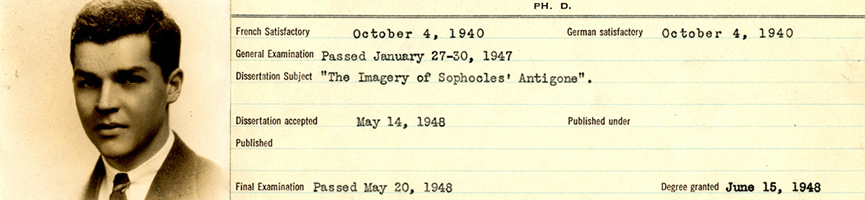
Lynn worked with Pro­Quest, the Grad­u­ate School and OIT to imple­ment a pol­icy change on Pub­lish­ing Options for Prince­ton Uni­ver­sity Dis­ser­ta­tions, which now allows for dis­ser­ta­tion embar­goes in Pro­Quest and in Princeton’s Data­Space.  She also com­pleted pro­cess­ing of 13 Uni­ver­sity Archives accessions.

Adri­ane Han­son: Eco­nomic Papers Project Archivist

Adri­ane is wrap­ping up the 2-year grant project to process 2,500 lin­ear feet of Amer­i­can Civil Lib­er­ties Union Records, which will be com­pleted in June.  This month, she fin­ished the find­ing aid for the last series, so we now have the descrip­tion of the entire col­lec­tion online and researchers have started to come use it, and we phys­i­cally put the boxes in order.  She also started plan­ning for the next phase of the Daily Prince­ton­ian dig­i­ti­za­tion project, which will be for the years 2003-present and will repur­pose PDFs saved by the Daily Prince­ton­ian staff where possible.

Christie Peter­son: Uni­ver­sity Archives Project Archivist

Christie com­pleted rec­on­cil­ing the results of last summer’s P col­lec­tion (Prince­to­ni­ana) shelf read with Voy­ager (our cat­a­loging sys­tem). She con­tin­ued to inves­ti­gate tools and meth­ods for acces­sion­ing and man­ag­ing born-digital mate­ri­als in the archives through a site visit with elec­tronic records archivists at Yale Uni­ver­sity. She also inte­grated addi­tions to 12 dif­fer­ent col­lec­tions, over­saw the pro­cess­ing of another col­lec­tion by a Spe­cial Col­lec­tions Assis­tant, and met with devel­op­ers from OIT to plan and move for­ward on the cre­ation of a new web inter­face for the redesigned pho­to­graph, AV and mem­o­ra­bilia databases.

The group also dis­cussed read­ings selected by Lynn from Con­trol­ling the Past: Doc­u­ment­ing Soci­ety and Insti­tu­tions, Essays in Honor of Helen Willa Samuels. The selec­tions (one by Richard Katz and Paul Gan­del and one by Eliz­a­beth Yakel) reflect on doc­u­men­ta­tion strat­egy in the con­text of the dig­i­tal age and social media.

Ques­tions? Email: 

Mr. Madison’s War: A Handful of Princeton Perspectives

By: Amanda Pike

Today marks the bicen­ten­nial of the offi­cial dec­la­ra­tion of the War of 1812. While the war itself had lit­tle influ­ence on the daily expe­ri­ences of Prince­ton stu­dents, on occa­sion, these stu­dents would wit­ness sol­diers pass­ing through town on their way to the con­flict. Some of these encoun­ters were detailed in stu­dent cor­re­spon­dence to fam­ily mem­bers, and these let­ters also address the pub­lic sen­ti­ment towards the war and the tumul­tuous polit­i­cal cli­mate that pro­vided its impe­tus. A few exam­ples of these writ­ings are high­lighted below.

The first excerpt is from a let­ter writ­ten by James Mer­cer Gar­nett, Jr., Class of 1814, to his mother, Mary E. Gar­nett of Pittsville, Vir­ginia. Dated June 16, 1812, two days before Pres­i­dent James Madi­son (a fel­low Prince­ton­ian, Class of 1771) offi­cially declared war on Great Britain, Gar­nett wrote his let­ter while trav­el­ing through Wash­ing­ton, D.C. on his way to Prince­ton. Mean­while, Con­gress delib­er­ated Madison’s griev­ances with Eng­land, which included British trade restric­tions with France, British sup­port of indige­nous resis­tance to Amer­i­can expan­sion­ism, impress­ment of Amer­i­can sol­diers in the British Royal Navy, and British seizure of Amer­i­can ships.

As I prob­a­bly shall not have an oppor­tu­nity to write, on the way between here and Prince­ton; I take the oppor­tu­nity while my Father is writ­ing, to let you know we have got so far safe on our journey.…I have not time to say much more now, as we are going to the Cap­pi­tol (sic) in a few min­utes. Tell Uncle Mer­cer that the recruit­ing busi­ness goes on very slowly here; & that in stead (sic) of the 17 thou­sand men that are reported in our neigh­bour­hood to have enlisted; the Sec­re­tary at war says there are only between three and five thou­sand. I fancy all the reports about what the sen­ate have done are false, their doors are still closed; I expect we shall know what they have deter­mined on tomor­row; the gen­eral oppin­ion (sic) about here is that we shall have war, although they say the pub­lic sen­ti­ment seems to be much against it.…
Stu­dent Writ­ings and Cor­re­spon­dence Col­lec­tion (AC334, Box 9)

After sev­eral days of delib­er­a­tion, the House of Rep­re­sen­ta­tives voted 79 to 49 for a dec­la­ra­tion of war, and the Sen­ate agreed by a vote of 19 to 13. On June 18, 1812, Madi­son signed this mea­sure into law, becom­ing the first U.S. Pres­i­dent to declare war on another nation.

The fol­low­ing excerpt is from a let­ter writ­ten by Wal­ter Kirk­patrick, Class of 1813, to his cousin, Maria Cobb of Mor­ris­town, New Jer­sey dated July 6, 1812. In the let­ter, Kirk­patrick addresses the recent dec­la­ra­tion of war, and the antic­i­pated effect it will have on the col­lege. He writes:

…War is indeed declared, yet it will not have that effect on this insti­tu­tion which you seemed to imag­ine it would have, the prob­a­bil­ity is that we shall con­tinue here as we have done as idle spec­ta­tors of the scene, since no stu­dent is obliged to per­form mil­i­tary duty while he is a mem­ber of col­lege .…Wednes­day last a com­pany of about one hun­dred sol­diers passed through this place on their way to New York — They had with them 12 pieces of can­non, each piece being able to carry a ball of six pounds weight, and men fol­lowed at a con­sid­er­able dis­tance by four very large baggage-wagons guarded by about twenty soldiers…

Under­grad­u­ate Alumni Records (AC104, Box 73)

Walter Kirkpatrick letter, envelope

Con­tinue read­ing

She Roars. We Record.

By: Q Miceli ’12

A year ago, after the intro­duc­tory slideshow at the She Roars Con­fer­ence for female Prince­ton grad­u­ates and stu­dents, var­i­ous audi­ence mem­bers asked Pres­i­dent Shirley Tilgh­man if there was a museum or other exhibit doc­u­ment­ing the his­tory of women at Prince­ton. I remem­ber Pres­i­dent Tilgh­man direct­ing the con­fer­ence par­tic­i­pants to Mudd Library if they were inter­ested in learn­ing more about the his­tory of coed­u­ca­tion at Prince­ton. Mudd has fea­tured an exhibit this year called “She Flour­ishes: Chap­ters in the His­tory of Prince­ton Women,” How­ever, Wikipedia arti­cles about Prince­ton women cre­ated using Uni­ver­sity archives resources would enhance the online acces­si­bil­ity of this infor­ma­tion, while ensur­ing its reliability.

Women_at_Princeton_Edit-a-thon_II_01

Enter the idea of host­ing another Wikipedia Edit-a-thon at Mudd, this time on the theme of Women at Prince­ton. Wiki­me­dia Com­mu­nity Fel­low Sarah Stierch’s recent inter­view on CBC Radio 2, in which she dis­cussed the Wikipedia gen­der gap and the fates of arti­cles about women in acad­e­mia, inspired me to orga­nize this even to high­light the con­tri­bu­tions women have made to Prince­ton as an insti­tu­tion and to help close the Wikipedia gen­der gap.

Women_at_Princeton_edit-a-thon_05

With help from mem­bers of the Wiki­me­dia of NYC chap­ter, new Wikipedia edi­tors teamed up with expe­ri­enced Wikipedi­ans in order to research and cre­ate arti­cles for the his­tory of women at Prince­ton, Coed­u­ca­tion at Prince­ton, and a few notable fac­ulty and staff mem­bers. By the end of the day, we had drafts of arti­cles in a few dif­fer­ent users’ sand­boxes on Wikipedia and an arti­cle on coed­u­ca­tion that is ready for expansion.

Women_at_Princeton_Edit-a-thon_II_04

Sopho­more Anna Korn­feld Simp­son wins a gold star for using the most books in the ref­er­ence room while research­ing women engi­neers at Princeton!

By the num­bers, we had:
*Total par­tic­i­pants: 15
*Prince­ton stu­dents: 4
*User­names cre­ated: 5

Arti­cle Cre­ations
*Coed­u­ca­tion at Prince­ton Uni­ver­sity
*Karin Trainer
*His­tory of Women at Prince­ton Uni­ver­sity
*Mar­got Canaday

Arti­cle Expan­sions
*Elaine Pagels
*Eve­lyn Col­lege for Women
*Addi­tion of the first editrix of The Daily Prince­ton­ian, Anne C. Mackay-Smith ’80 and the first woman busi­ness man­ager, Judy E. Piper ’76

Wiki­me­dia Com­mons Cat­e­gory
*http://commons.wikimedia.org/wiki/Category:Women_at_Princeton_editathon

We invite you to keep the momen­tum going by check­ing the meetup page, choos­ing a topic, and con­tribut­ing your time and article-writing talent.

Check in with us on Twit­ter @muddlibrary and Face­book

The Daily Princetonian is digitized and keyword searchable

prince_inverted.gif

The Prince­ton Uni­ver­sity Archives, work­ing in con­junc­tion with the Prince­ton Uni­ver­sity Library Dig­i­tal Ini­tia­tives, has nearly com­pleted a mon­u­men­tal project that will change the way researchers inves­ti­gate Uni­ver­sity his­tory. The stu­dent news­pa­per, The Daily Prince­ton­ian, has been dig­i­tized from its incep­tion in 1876 through 2002. The site has been avail­able in beta for almost two years, but all issues will be loaded as of June 30, 2012. At the sug­ges­tion of The Daily Prince­ton­ian alumni board who have been among the prime back­ers of this project, the site is named in honor of the newspaper’s long-serving pro­duc­tion man­ager Larry Dupraz, and researchers are able to per­form sophis­ti­cated key­word searches that can unlock the vast rich­ness of the daily news­pa­per that doc­u­ments so much of the University’s his­tory. (For the years 2002– present, users may search online via the Daily Prince site.)

DailyPsearchsreenshop

I wrote my final paper for my Fresh­man Writ­ing Sem­i­nar about how the pres­ence of vet­er­ans on Princeton’s cam­pus fol­low­ing World War II affected Princeton’s aca­d­e­mic envi­ron­ment and social atmos­phere,” said Jen­nifer Kling­man ’13. “My research heav­ily relied on The Daily Prince­ton­ian archives, and I had to spend a lot of time and energy search­ing for rel­e­vant arti­cles in Firestone’s micro­form ver­sions of the news­pa­per. It was dif­fi­cult to comb through the arti­cles, and as a result my research was lim­ited in scope. This spring, I wrote my his­tory depart­ment junior paper on aca­d­e­mic and social changes tak­ing place at Prince­ton dur­ing the late 1940s and 1950s. The online Daily Prince­ton­ian archives proved to be invalu­able. I was able to access the archives any­where and at any time, and use the archives’ search func­tion to find a num­ber of extremely use­ful arti­cles. My inde­pen­dent work has def­i­nitely ben­e­fited from the exis­tence of the online archives.”

100_0988

Free­lance jour­nal­ist W. Barks­dale May­nard ’88 states “I am able to write about the social his­tory of Prince­ton in an entirely new way and have restruc­tured my research to take full advan­tage of this excit­ing new resource. For my Prince­ton Alumni Weekly arti­cle on the early his­tory of auto­mo­biles at Prince­ton, the Dupraz Dig­i­tal Archives allowed me to iden­tify every ref­er­ence to cars as early as 1901, to pin­point who owned them and what kinds. I would never have attempted this arti­cle with­out The Dupraz Dig­i­tal Archives.”

Maynard’s PAW col­league, Gregg Lange ’70, reg­u­larly uses the site for his col­umn, “Rally Round the Can­non,” which exam­ines and appraises Uni­ver­sity his­tory. “You can piece together the story of Prince­ton foot­ball or Woodrow Wil­son in a dozen ways. But the unique acces­si­bil­ity of a daily pub­li­ca­tion allows more sub­tle top­ics to arise and recede, and for cross-generational tales to emerge. Be it Ella Fitzger­ald singing at a Prince­ton dance at age 19, then receiv­ing an hon­orary degree 54 years later; or stu­dent revolts against the clubs’ Bicker selec­tion sys­tem in 1917 and 1940 pre­sag­ing its loss of monop­oly in 1968, the com­bi­na­tion of detail and long view is indis­pens­able in under­stand­ing the ethos of the insti­tu­tion over time, and essen­tially inac­ces­si­ble with­out the DuPraz tech­nol­ogy and pre­ci­sion. And exis­ten­tially, if I never see another micro­fiche in my life I will die a happy man.”

May­nard added, “My reg­u­lar col­umn in PAW, “From Princeton’s Vault,” has ben­e­fited enor­mously. Recently I was able to iden­tify the ear­li­est ref­er­ences to Prince­to­ni­ans as “tigers,” which had been guess­work pre­vi­ously. It turns out we were wrong by a decade.

This has been an inter­na­tional project, with the news­pa­pers sent from Prince­ton to Brechin Imag­ing in Canada, where TIFF images are gen­er­ated using high end Ger­man cam­eras. The files are then sent via a hard drive to Cam­bo­dia, where Dig­i­tal Divide Data ana­lyzes the struc­ture of each page and uses an opti­cal char­ac­ter recog­ni­tion (OCR) pro­gram to derive machine-readable text, which allows for key­word search­ing. The hard drive is then shipped to Austin, Texas, where the US office of New Zealand com­pany DL Con­sult­ing loads the data into a content-management sys­tem called Verid­ian, which sup­ports search­ing and brows­ing, online read­ing, arti­cle extrac­tion and print­ing, and other features.

Within the library, many hands have worked for this project’s suc­cess. At Mudd Library, project archivists Dan Bren­nan and then Adri­ane Han­son have over­seen the day-to-day work of the project, man­ag­ing the ship­ment of the news­pa­pers to Brechin, as well as super­vis­ing stu­dents with the qual­ity con­trol phase. Uni­ver­sity Archivist Dan Linke raised the funds from var­i­ous Uni­ver­sity and alumni sources and coor­di­nated the project.

Within the greater Library sys­tem, Cliff Wulf­man, the Library’s Dig­i­tal Ini­tia­tives Coor­di­na­tor, took the lead in writ­ing the Request for Pro­pos­als and then select­ing and coor­di­nat­ing the work with DDD, as well as pro­vid­ing tech­ni­cal assis­tance, sup­port and vision. The Library Sys­tem Office’s Anto­nio Bar­rera designed the front end web page with Phil Menos pro­vid­ing server sup­port, and Deputy Uni­ver­sity Librar­ian and Sys­tems Librar­ian Mar­vin Bielawski allo­cated the funds to acquire the Verid­ian software.

The project employs the METS/ALTO markup stan­dard, the same used by the Library of Congress’s News­pa­per Dig­i­ti­za­tion Project, which means that as soft­ware changes and improves, we will be able to sus­tain this resource for many years to come.

100_0996

Applying “More Product, Less Process” to very large collections: Mudd archivist presents at professional conference

MARAC
Recently project archivist Adri­ane Han­son par­tic­i­pated in a panel at the recent spring con­fer­ence of the Mid-Atlantic Regional Archives Con­fer­ence (MARAC) in Cape May, NJ. The topic of her talk was how she is han­dling the size of her cur­rent project, pro­cess­ing 2,500 lin­ear feet of the records of the Amer­i­can Civil Lib­er­ties Union Records in a two-year project funded by the National His­tor­i­cal Pub­li­ca­tions and Records Com­mis­sion (NHPRC).
In a nut­shell, this feat is accom­plished by:
1. Stay on top of the sched­ule through care­ful project man­age­ment, col­lect­ing met­rics to have real­is­tic data on how long each task requires, and fre­quently revis­it­ing and adjust­ing the time­line of the project.
2. Be flex­i­ble about the work­flow, exam­in­ing the way you have always done things and adjust­ing as needed to bet­ter work with a mas­sive collection.
3. Think of it as data man­age­ment. Use tools to repur­pose data from one step of the project to another, and to ana­lyze and trans­form the data once the box inven­to­ries are complete.
4. Spend extra time writ­ing descrip­tions about each part of the col­lec­tion to pro­vide the researcher with impor­tant key­words to search for and con­text to under­stand the sig­nif­i­cance of the sec­tion. But do not spend time on descrip­tion that is not aid­ing in search­ing, such as lists of doc­u­ment types in the col­lec­tion inven­tory. Time should be spent on value-added description.
The slides and text for her pre­sen­ta­tion are avail­able here.
If you have any ques­tions for her, you can reach her by email:

Most used Princeton theses

Dear Mr. Mudd, I was won­der­ing what is the most popular/most requested senior the­sis in the Uni­ver­sity Archives collection?

This is a peren­nial ques­tion and the short answer is that with the excep­tion of celebrity alumni the­ses, there are few the­ses that are pulled with any reg­u­lar­ity, yet the col­lec­tion as a whole (total­ing over 60,000 the­ses) is our most used col­lec­tion within the Uni­ver­sity Archives. Last year over 1,000 the­ses were viewed by visitors–mostly Prince­ton undergraduates–to the Mudd Library, which accounted for about 1/4 of all Archives mate­ri­als circulated.

Kopphoto
cainphoto

Wendy Kopp’s the­sis is always among those requested by remote researchers–that is, those who do not visit the library in per­son, and when­ever a Prince­ton­ian makes news or is on a hit show, their the­sis is often requested.

In the past, this included Went­worth Miller III (when Prison Break was a hit), David Duchovny (for the X Files) and Dean Cain (Adven­tures of Lois and Clark), as well as all three now sit­ting Supreme Court Jus­tices: Samuel Alito, Elena Kagan, and Sonia Sotomayor.

The entire the­ses col­lec­tion can be searched via this data­base, and Archives staff are work­ing to make future senior the­ses avail­able online to the Prince­ton com­mu­nity start­ing in 2013.