Protecting country and Indians: The records of Junius Wilson MacMurray (1843–1898)

How likely is it to find Civil War let­ters and diaries among the papers of politi­cians, jour­nal­ists, and diplo­mats that are kept at Mudd Library? Or Colum­bia Plateau Indian pic­tographs? Meet Junius Wil­son Mac­Mur­ray, whose records are kept among the papers of his son John Van Antwerp Mac­Mur­ray, a diplo­mat most of our blog read­ers will know from his films of China (1925–1929) which have been dis­cussed exten­sively in our audio­vi­sual blog The Reel Mudd. As few peo­ple know about his father Junius Wil­son MacMurray’s papers, we will be shar­ing some par­tic­u­larly inter­est­ing records below.

photo of Junius Wilson MacMurray, October 1862

J.W. Mac­Mur­ray, 1st Lieu­tenant at the 1st Mis­souri Light Artillery, Octo­ber 1862

Junius Wil­son Mac­Mur­ray was born in Mis­souri on May 1, 1843, the son of Irish immi­grant and black­smith John Den­ni­son Mac­Mur­ray and Eliza Wil­son. Accord­ing to a detailed hand­writ­ten and type­script descrip­tion of his mil­i­tary career, which includes a list of all bat­tles in which he par­tic­i­pated dur­ing the Civil War (find it here) he trained as an engi­neer and vol­un­teered for Engi­neer Bat­tal­ion “B” of the National Guard of Mis­souri from Octo­ber to Decem­ber 1860. When the Civil War broke out, two weeks before his 18th birth­day, he did not join the Con­fed­er­ates like most young men he knew, but started recruit­ing vol­un­teers for the Union army instead. His bat­tery was sworn in with the 1st Mis­souri Vol­un­teers and reor­ga­nized into the 1st Mis­souri Light Artillery.

Junius Wil­son MacMurray’s papers con­sist of his per­sonal and busi­ness cor­re­spon­dence, as well as his army cor­re­spon­dence and papers, his  account papers and ledgers,  and his diaries and note­books, and writ­ings. For researchers in Civil War or Native Amer­i­can his­tory MacMurray’s army cor­re­spon­dence and papers are the most inter­est­ing. They doc­u­ment his career as a vol­un­teer in the Army of the Repub­lic dur­ing the Civil War, and sub­se­quent ser­vice in the reg­u­lar army from 1866 until his death in 1898. The records include copies and drafts of his reports con­cern­ing the Vicks­burg cam­paign (1863) and the Pow­der River Indian expe­di­tion (June-November, 1865), as well as his inves­ti­ga­tion into land dis­putes of the Lower Colum­bia River Indi­ans (1884), when he met their leader and prophet Smo­halla (c. 1815–1895).

Image of the back of letter from MacMurray to his mother, November 6, 1863

Back of the let­ter from Junius Wil­son Mac­Mur­ray to his mother, Novem­ber 6, 1861

Of addi­tional inter­est is MacMurray’s per­sonal cor­re­spon­dence, which includes two let­ters to his mother, writ­ten on Novem­ber 6, 1961 and July 14, 1863. The let­ters con­trast sharply. In the first, writ­ten in Spring­field, Mis­souri in barely leg­i­ble pen­cil, he reas­sures his mother that he is very well fed: “Live on but­ter, bis­cuit, Turkey. Fresh beef, honey-chickens, pota­toes, &c.&c., so you see I’m not starv­ing but on the con­trary am get­ting fat and will some of these days make a fine mess for the buz­zards of Wilsons Creek,” he wrote (view first page). Despite the chill­ing ref­er­ence to the bat­tle­field where Union Gen­eral Nathaniel Lyon had been killed only three months ear­lier, he added on the back: “Now for Lords sake don’t write me a sor­row­ful let­ter as I don’t think of any­thing sor­row­ful since Freemont [John Charles Fré­mont] has been superceeded–and there is a pos­si­bil­ity of a fight in view. Send me papers!”

Junius Wil­son Mac­Mur­ray to his mother Elisa Wil­son Mac­Mur­ray, July 14, 1863 (view full page)

The sec­ond let­ter, how­ever, has a very dif­fer­ent tone. It was writ­ten on July 14, 1863 in a camp near Jac­into, Mis­sis­sippi, one day before the end of the Siege of Jackson.

The nights are cold (not cool) some­times, there are no mos­qui­toes, but any amount of snakes and bugs. The tim­ber is mostly yel­low pine, the soil poor and [word miss­ing] the most mis­er­able and down­trod­den peo­ple I ever saw. Noth­ing scarcely to eat, dirt and filth pre­dom­i­nate although the wealthy (cot­ton deal­ers, judges, and civil offi­cers) have good clean houses.  Early Spring chicken 50 cts, late (smaller than your fist) ones 25 & 30. Milk 25 cts per quart (very poor) eggs–they laugh at you–In fact, South­west Mis­souri after all [Ster­ling] Price did to it is a par­adise to this dessert. (view sec­ond page)

MacMurray’s papers include two diaries kept in 1863, of which only one appears to be MacMurray’s. The diary con­tains daily entries in ink or pen­cil with occa­sional mechan­i­cal draw­ings of what look like trans­porta­tion devices, and includes descrip­tions of the bat­tle of Vicks­burg. Shown below are the pages for the last two days of the Vicks­burg Cam­paign, with a tran­scrip­tion of the entry for July 4, the day of the final victory.

MacMurray’s diary opened for July 4, 1963, the last day of the Vicks­burg cam­paign (full view)

Today, usu­ally a glo­ri­ous one–was more so than any of its pre­de­ces­sors. Vicks­burg sur­ren­dered and our army marched in at 10 AM. Men & offi­cers appeared in their best. I went in and met Sam Carlisle, Char­lie Hitch­cock, Larry Hutchin­son John Sadd & John New­mann, old friends. I also met Booren (?) at din­ner at dinner–visited the river and saw the river fleet all decked out with the flags of all nations. The trans­ports came down and filled the levee (?) for some dis­tance. Every­thing went merry as a mar­riage ball. For  few [illeg­i­ble] will ever for­get this day who were in Vicksburg.

Although Mac­Mur­ray took obvi­ous pride in his army career, he also had ambi­tions to teach and be a scholar. He served on detail as pro­fes­sor of mil­i­tary sci­ence and tac­tics at the Uni­ver­sity of Mis­souri (1872–1873) and  at Cor­nell Uni­ver­sity (1873–1875). His last post of ser­vice on detail was at Union Col­lege at Sch­enec­tady, New York, where he was in charge of san­i­tary and land­scape engi­neer­ing and taught pho­tog­ra­phy (1879–1883). That he ended up in Sch­enec­tady was not acci­den­tal: in 1873, he had mar­ried Hen­ri­etta Wiswall Van Antwerp, daugh­ter of the banker John H. Van Antwerp of Albany. Their son John Van Antwerp Mac­Mur­ray was born there in 1881, the third child, after two daugh­ters. In Sch­enec­tady Mac­Mur­ray edited  A His­tory of the Sch­enec­tady Patent by J. Pier­son at al. (Albany, 1883). He tried to use his con­nec­tions to stay longer, but in vain. He was sent to Van­cou­ver Bar­racks, WA to serve under Nel­son A. Miles (1839–1925). It was Miles who ordered him to inves­ti­gate land dis­putes of the Lower Colum­bia River Indi­ans in 1884.

J.W. Mac­Mur­ray, circa 1890

One of our researchers, Richard Scheuer­man from Seat­tle Pacific Uni­ver­sity, the author of Find­ing Chief Kami­akin: The Life and Legacy of a North­west Patriot (WSU Press, 2008), worked with sev­eral of the region’s Indian tribes. Accord­ing to him Mac­Mur­ray was a remark­ably enlight­ened thinker among mil­i­tary offi­cials for his time.  “I have found that he was sig­nif­i­cantly respon­si­ble for arrang­ing appli­ca­tions for title to many prop­er­ties along the Colum­bia and Snake rivers under the terms of the Indian Home­stead Act,” he wrote us in 2009. “This work did not endear him to many of his con­tem­po­raries, but thanks to his self­less ser­vice much of this land remains today under Indian own­er­ship and surely would have been lost to them oth­er­wise.” After spend­ing con­sid­er­able time with their leader and prophet Smo­halla. Mac­Mur­ray shared his obser­va­tions about the “Dream­ers” of the Colum­bia River Val­ley in a lec­ture to the Albany Insti­tute, which was pub­lished in 1887.

Page with Native Amer­i­can writ­ing, folded into MacMurray’s note­book (view full page)

Among MacMurray’s diaries and note­book is one he labeled “Col(umbi)a Indi­ans 1884,” which he kept dur­ing his inves­ti­ga­tions. Accord­ing to Scheuer­man, who tran­scribed the note­book, it pro­vides sig­nif­i­cant infor­ma­tion on Colum­bia Plateau reli­gion beliefs. Folded inside the note­book is an intrigu­ing piece of paper (shown right). When we asked Scheuer­man if he could tell us some­thing about it, he turned out to have won­dered about it him­self. About two-thirds of the images seem to be Colum­bia Plateau Indian pic­tographs, while the other third may be Indian horse brands. “Plateau Indi­ans widely used brand­ing in the 19th cen­tury as they main­tained enor­mous horse herds along the Colum­bia, Yakima, and Snake rivers, all places we know that J.W. Mac­Mur­ray vis­ited at that time,” accord­ing to Scheuer­man. If there is any­body out there who is able to enlighten us fur­ther, we would love to hear from you!

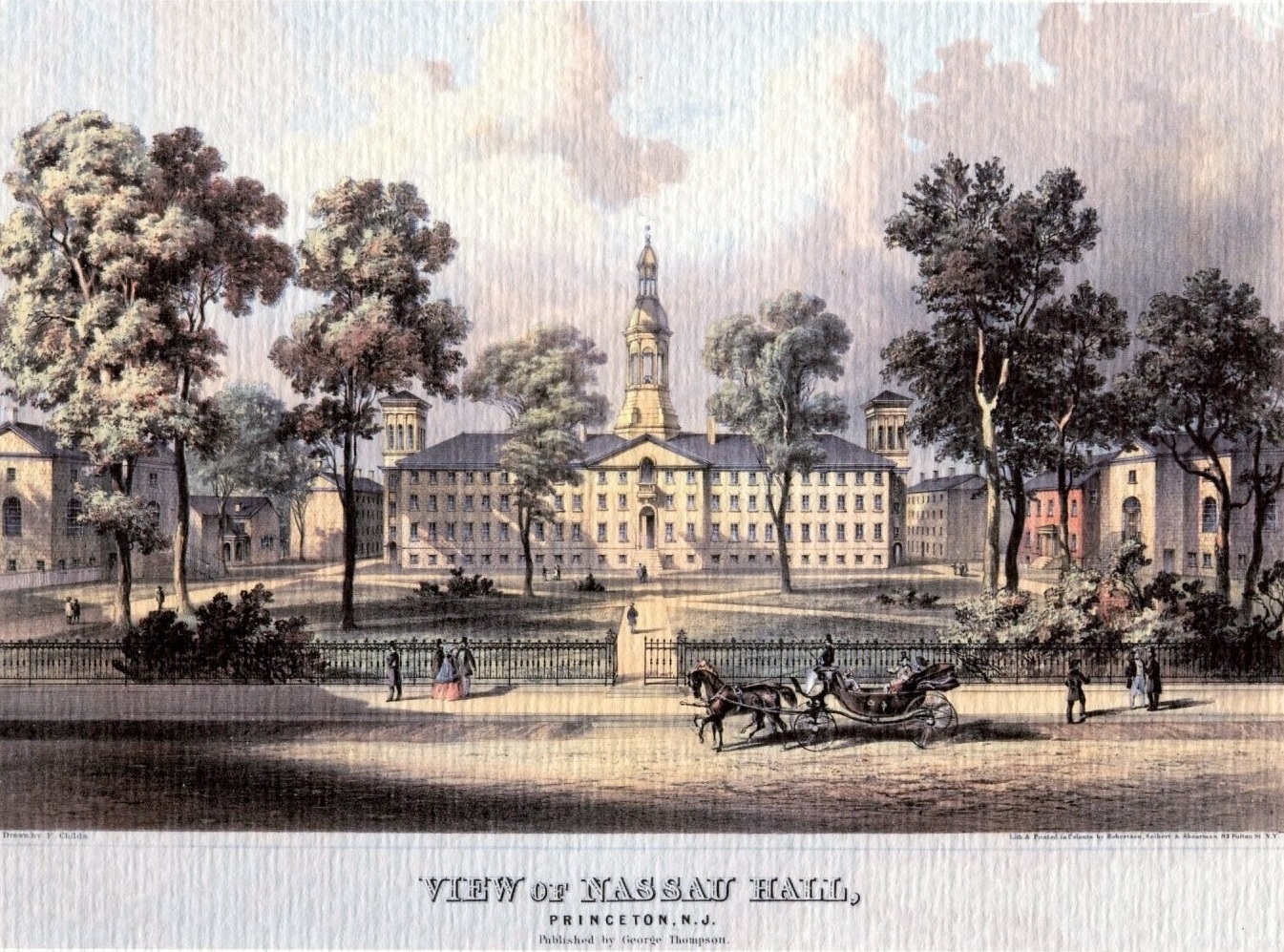
Mac­Mur­ray stayed in touch with Nel­son Miles, with whom he appears to have been quite friendly. His per­sonal cor­re­spon­dence includes sev­eral orig­i­nal let­ters that he wrote after Miles was pro­moted to gen­eral in 1890, includ­ing two let­ters about Smo­halla (the cor­re­spon­dence can be viewed here). The cor­re­spon­dence does not include replies, and it is not sure if the let­ters ever reached Miles, or whether he pos­si­bly returned them to Mac­Mur­ray or to his widow at a later stage. The cor­re­spon­dence does con­tain copies of let­ters of rec­om­men­da­tion, how­ever. Miles rec­om­mended Mac­Mur­ray for a pro­mo­tion to major on June 15, 1892. Sadly, Mac­Mur­ray received this only in 1897, only two months before he died of yel­low fever, which he con­tracted when in com­mand of the Post of Fort Bar­ran­cas, Florida dur­ing an out­break in 1897. When Junius Wil­son Mac­Mur­ray died, his son John Van Antwerp Mac­Mur­ray was a fresh­man at Prince­ton Uni­ver­sity. That is why his papers, hence those of his father, have ended up at Mudd Man­u­script Library.

(With thanks to Richard Scheuerman).