-
This Week in Princeton History for February 19-25
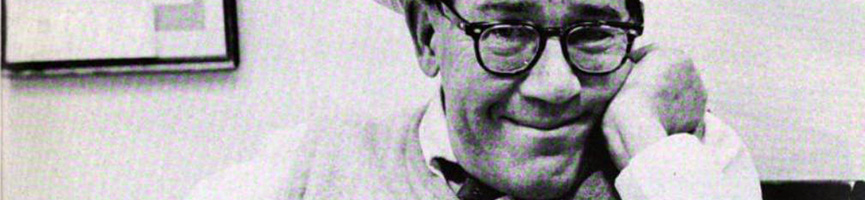
In this week’s installment in our recurring series, a Civil War veteran is in service during a new conflict, students remember a beloved alum, and more.
-
This Week in Princeton History for January 1-7
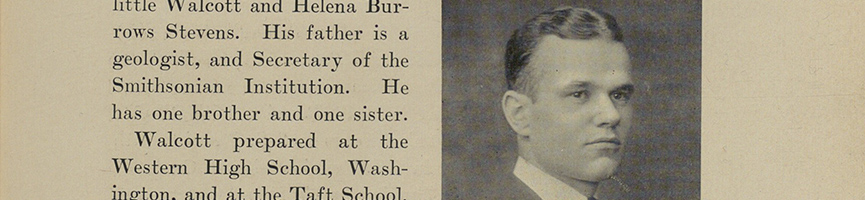
In this week’s installment in our recurring series, an alum seeks donations for a charitable venture, a senior expresses his hopes for his future, and more.
-
This Week in Princeton History for December 25-31
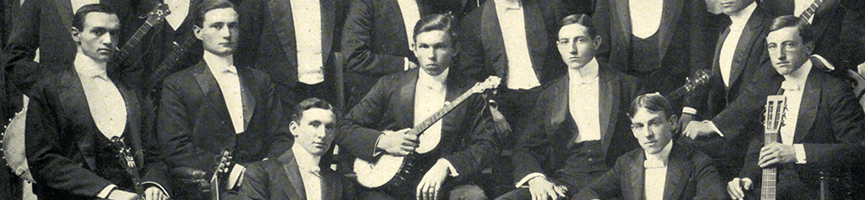
By April C. Armstrong *14 In this week’s installment in our recurring series, the holiday meal excites a student, the Glee, Mandolin, and Banjo Clubs are praised, and more. December 25, 1839—On this “glorious Christmas” at Princeton, a student notes, dinner is “rather better than common—and oh, wonder! Mince pies!!!” December 26, 1900—West Virginia’s Wheeling…
-
This Week in Princeton History for November 20-26
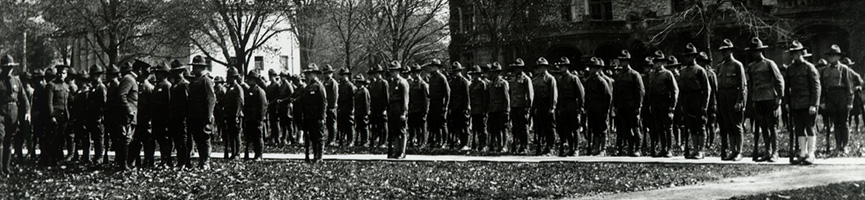
By April C. Armstrong *14 In this week’s installment in our recurring series, military pilots have high praise for Princeton, an alum writes about new dangers in Paris, and more. November 20, 1830—In a fictional tale in the New York Mirror, Emma C. Embury describes Princeton: “Every one [sic] has heard of Princeton, the abode…
-
This Week in Princeton History for November 13-19
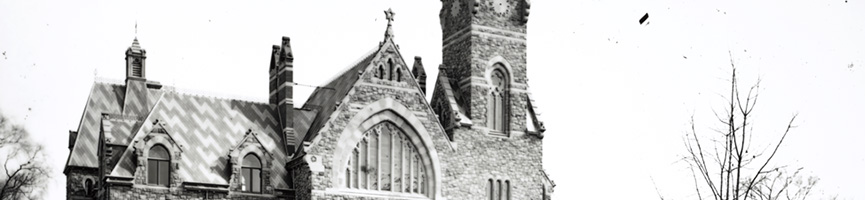
By April C. Armstrong *14 In this week’s installment of our recurring series, a Philadelphia newspaper denounces New Jersey officials for not being more supportive of Princeton, a new roof is controversial, and more. November 13, 1802—An essay in the Philadelphia Repository denounces “The groveling, penurious and ungracious” “people of New Jersey”: Princeton College, which…
-
This Week in Princeton History for July 24-30
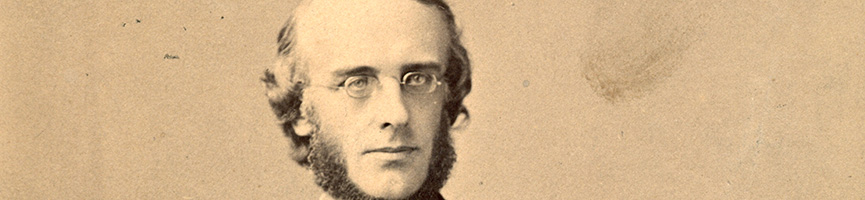
In this week’s installment of our recurring series, a professor’s nickname raises eyebrows in Boston, a campus visitor is surprised to see someone throwing a telegraph pole around, and more. July 25, 1867—The Boston Post reports, “The Princeton students call Prof. Aiken, late of Dartmouth, ‘Prof. Yank.’ They need two or three more Jerome medals…
-
This Week in Princeton History for May 29-June 4
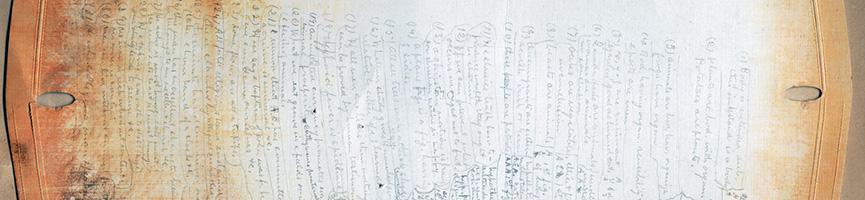
In this week’s installment of our recurring series, students attempt to address the problem of “Shenanigagging,” a veteran proposes a memorial, and more. May 30, 1872—At a mass meeting called by the senior class, students discuss the problem of cheating on exams, then vote to condemn what is known in local slang as “Shenanigagging.” June…
-
This Week in Princeton History for September 5-11
In this week’s installment of our recurring series, the arrival of undergraduate women draws attention, a recent graduate reflects on the contrast between life as a student and life on a war’s front lines, and more. September 6, 1969—Amid media fanfare and besieged by unsolicited attention from their male peers, undergraduate women arrive on campus.…
-
This Week in Princeton History for July 12-18
In this week’s installment of our recurring series bringing you the history of Princeton University and its faculty, students, and alumni, two juniors evacuate their summer program abroad when war breaks out, word is spreading about a ban on secret societies, and more. July 13, 1895—Native Americans are rumored to have raided a party of…
-
This Week in Princeton History for November 9-15
In this week’s installment of our recurring series bringing you the history of Princeton University and its faculty, students, and alumni, a graduate student gets help from the FBI to track down stolen microscopic slides, the YWCA opens a Hostess House for Navy officers in training, and more. November 9, 1959—A graduate student has gotten…
This blog includes text and images drawn from historical sources that may contain material that is offensive or harmful. We strive to accurately represent the past while being sensitive to the needs and concerns of our audience. If you have any feedback to share on this topic, please either comment on a relevant post, or use our Ask Us form to contact us.