-
This Week in Princeton History for April 8-14
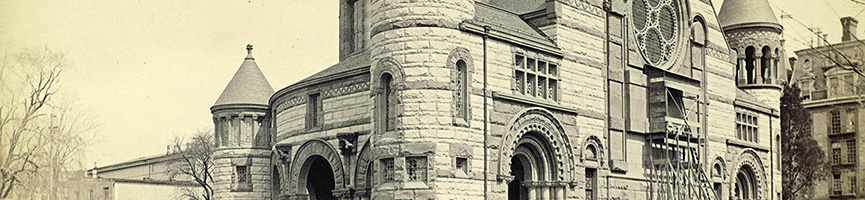
In this week’s installment in our recurring series, a professor is granted tenure by surprise, a new campus building’s construction will run to $250,000, and more.
-
This Week in Princeton History for March 4-10
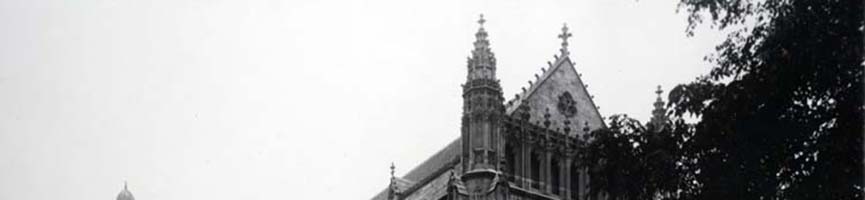
In this week’s installment in our recurring series, a student is disciplined for attempting to woo a woman dishonestly, the proposed new chapel design is controversial, and more.
-
This Week in Princeton History for February 12-18
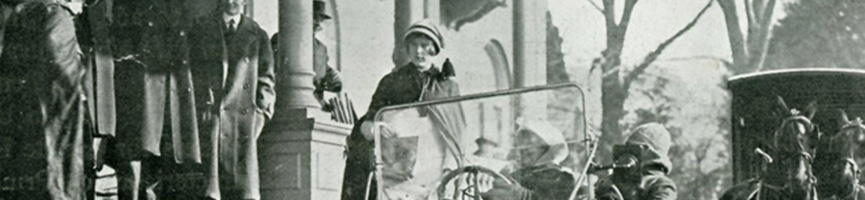
By April C. Armstrong *14 In this week’s installment in our recurring series, the Daily Princetonian corrects recent press accounts of mistreatment of suffragettes on campus, a student writes of “perfect peace & harmony” among the undergraduates, and more. February 13, 1942—The Princeton Congress of Writers, planned to begin today, will not take place. The…
-
This Week in Princeton History for October 9-15
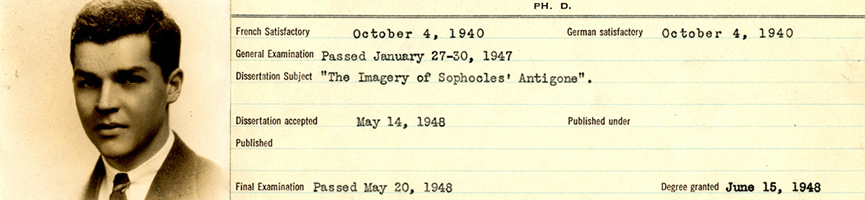
In this week’s installment of our recurring series, a future Princeton University president’s education is interrupted by war, Southern students weigh in on segregation, and more. October 9, 1845—According to the Boston Recorder, “Several horses have died recently at Princeton, N.J., in consequence of eating ‘musty oats.’” October 10, 1941—Graduate student Robert F. Goheen ’40…
-
This Week in Princeton History for September 11-17
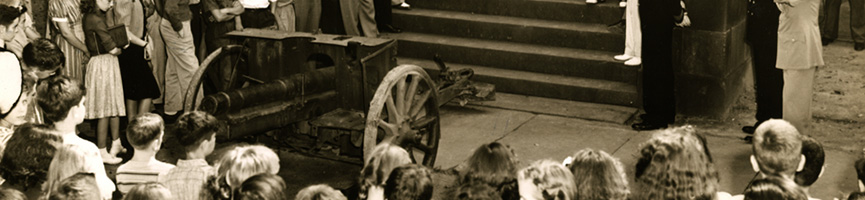
In this week’s installment of our recurring series, efforts to help sleepless bunnies are helping, Princeton donates a cannon to a scrap metal drive, and more. September 11, 1868—Due to a family illness, James McCosh has delayed sailing for America. September 12, 1980—To solve problems with insomniac lab rabbits, the bunnies at the Biochemical Sciences…
-
This Week in Princeton History for August 7-13
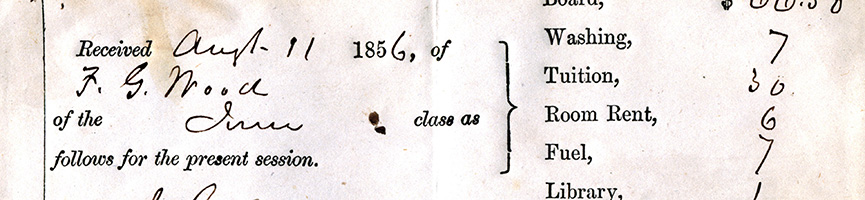
In this week’s installment of our recurring series, a member of the Class of 1858 pays for tuition and fees, a false report of a war ending causes confusion, and more. August 7, 1842—An observer praises the graduating class for holding their farewell dinner without alcohol. “Friend” writes to the Daily National Intelligencer, “Such a…
-
This Week in Princeton History for July 31-August 6
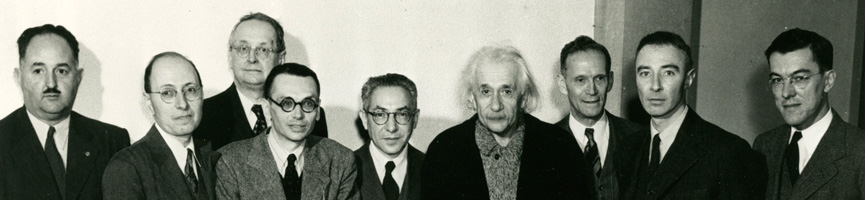
In this week’s installment of our recurring series, a professor helps Albert Einstein get a message to the Roosevelt administration, an alum plans a celebration in honor of the new Constitution, and more. August 1, 1898—In a short article about Francis Cleveland having to smooth over hurt feelings when the children of college professors judged…
-
This Week in Princeton History for June 26-July 2
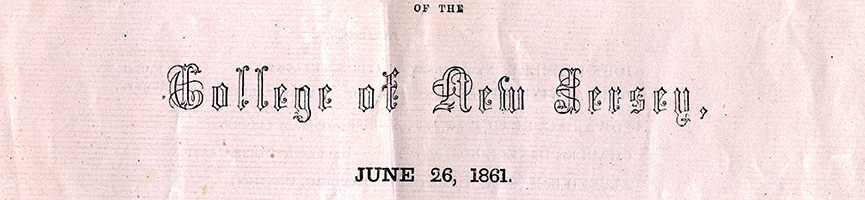
In this week’s installment of our recurring series, more than half of the graduating class is missing, Ulysses S. Grant is on campus, and more. June 26, 1861—At Commencement, The matter of most interest is in inquiries made in regard to old friends, many of whom are now enemies. A very large number of Princeton…
-
This Week in Princeton History for June 12-18
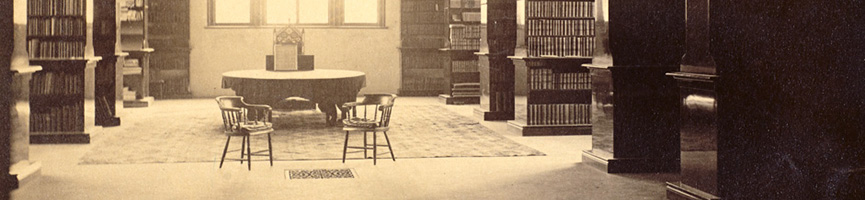
In this week’s installment of our recurring series, a new library has opened, bathing facilities are available, and more. June 13, 1970—Because Princeton University has taken over the building, the Princeton Inn will close today. It’s longest-residing guest, J. S. Van Syckel, will at last check out after 31 years.
-
This Week in Princeton History for August 29-September 4
In this week’s installment of our recurring series, whether Commencement will take place is uncertain, Princeton sets up temporary housing, and more. August 29, 1878—An article in the San Francisco Chronicle on the state of baseball in America notes that some amateur teams are far better than the professional ones. “In this respect, Princeton College…
This blog includes text and images drawn from historical sources that may contain material that is offensive or harmful. We strive to accurately represent the past while being sensitive to the needs and concerns of our audience. If you have any feedback to share on this topic, please either comment on a relevant post, or use our Ask Us form to contact us.