What are Princeton students doing over the summer?

Answer: An awful lot! Check out this video to get a glimpse at the plans some stu­dents have in store!

The past few weeks I went around cam­pus inter­view­ing stu­dents about their sum­mer plans. From fresh­men to upper­class­men, stu­dents are abuzz with blue­prints for travel, research, study, and work in a wide vari­ety of sec­tors from law to engi­neer­ing, non­profit work to lan­guage classes. While it’s not sur­pris­ing to see Prince­ton stu­dents engaged, there was one trend that I didn’t expect–Princeton is going global in a HUGE way. Whether through Princeton’s Inter­na­tional Intern­ship Pro­gram or for senior the­sis research, stu­dents are increas­ingly seek­ing expe­ri­ences abroad. In fact, last year 27% of stu­dents reported spend­ing some or all of their sum­mer abroad. It seems like that num­ber just keeps growing!

Here’s one caveat: If you DON’T have struc­tured sum­mer plans right now–no sweat. First of all, it’s your sum­mer, and you should do what YOU want to do. Now, if what you want to do is land an intern­ship, you’re not too late! Check out Tiger­Tracks for the lat­est job post­ings, or make an appoint­ment with a Career Ser­vices career coun­selor before classes end to dis­cuss your opportunities. 

See you in September!

Internships 101: A No-Brainer Guide

Don’t call 411. If you’re decid­ing if you should pur­sue an intern­ship this sum­mer, there’s a sim­ple answer.

Go for it.

bigstock_Attractive_young_business_prof_15703601To those unac­quainted, intern­ships are the star power of a job world that’s way tougher than Nin­tendo 64. They’re excel­lent ways to explore pos­si­ble career fields as well as build expe­ri­ence and work­place skills. It’s best to have one to two intern­ships under your belt by the time you grad­u­ate. Often, recruiters will even pre­fer can­di­dates that have expe­ri­ence in two internships.

Here’s the no-brainer list. Make sure you know the fol­low­ing before mov­ing on to the next level:
 
Level Zero: THE QUESTIONS PHASE. Every young child goes through this phase. So does every intern­ship seeker, so before pro­ceed­ing, con­sider the following:

  • What careers pique my interest?
  • Am I inter­ested in a par­tic­u­lar type of orga­ni­za­tion, i.e. gov­ern­ment or nonprofit?
  • What do I want to do on the job? Usu­ally you’ll do one or more of the following—research, con­duct office activ­i­ties, assist plan­ning, write, work in a lab, and prob­lem solve.
  • Where do I want to be?
  • Are dol­lars impor­tant to me? (i.e. Do I want to get paid?)

Level One: THE BASICS. You’re ready to go. Now for some updates.

  • Read Career Ser­vices’ weekly CareerNews e-mail every Mon­day for a list of oppor­tu­ni­ties and dead­lines as well as work­shops and events to help you build the job search skills you need.
  • Update your resume and draft a cover let­ter. If you need a “cheat sheet” check out the Career Plan­ning Guide.
  • Prac­tice your inter­view­ing skills, and not just to the mir­ror– although that works, too. Attend work­shops or sched­ule a mock inter­view to iden­tify your strengths and weaknesses.

Level Two: THE SEARCH. Wel­come to the stage of the fur­rowed brows, Nicholas Cage-style. This, actu­ally, is the fun part.

bigstock_Portrait_Of_A_Female_Executive_1576130Your bright, shiny new intern­ship is just around the cor­ner. Don’t for­get to fol­low up with employ­ers 10–14 days after apply­ing. It is not too late to con­tinue apply­ing in April. There are still plenty of intern­ship post­ings com­ing in to Career Ser­vices; some are just wait­ing for some­one (like you, per­haps) to fill them!


Common Conundrums: Job and Interview FAQs

As my peers and I search for jobs bigstockphoto_Your_Career_340932and sum­mer intern­ships, a few sticky top­ics have come up—how do I dress for my inter­view? Write a follow-up email? Tell an employer about my weak­nesses? How can I bal­ance career dreams and com­mu­nity engage­ment? After research­ing these ques­tions, I’ve come up with sev­eral answers.
Dear friends—I hope this helps!

  1. What is busi­ness casual?
    For starters, DON’T break out the flip-flops. Most of you already pass this rule. But how do I look sharp? What does this label even mean? Should I wear khakis or Suit pants? Truth is, for most jobs, this will be your wardrobe. Only a select few dress in busi­ness attire every day. Here’s a handy list for dress­ing up, com­piled from our career web­site.
    DO remem­ber that busi­ness casual is more busi­ness than casual.
    DON’T look sloppy. Din­ing hall break­fast garb like sweat­pants and t-shirts is, of course, never accept­able. Also, make sure that your “nice” clothes are all neat and well tai­lored. Noth­ing too tight or reveal­ing!
    For ladies, DO wear skirts and nice dresses. Make sure they’re not too short.
    Also for ladies, DO try any of the fol­low­ing com­bi­na­tions: dress + cardi­gan or blazer, or skirt + sweater set, knit top, blouse, button-down, V-neck, cen­ter­piece shirt, or turtle­neck.
    For men, DO wear pressed pants with a new photobelt.
    For men, DO wear busi­ness for­mal minus the tie and the jacket. Often, a polo shirt can be appro­pri­ate, too.
    If this is for the inter­view, DO research the com­pany you’re inter­view­ing with before­hand. Often you’ll be free to express more per­son­al­ity in an inter­view with Google, Face­book, and other com­puter soft­ware com­pa­nies as well as in the film and fash­ion indus­tries.
    Bot­tom line, DO research before get­ting dressed. If you have ques­tions, con­tact your inter­viewer for more information.
  2. How do I write a follow-up email?
    If you’ve seri­ously applied for jobs and intern­ships, the follow-up stage (or, more accu­rately, the do-I-follow-up? stage) is fully stocked with oppor­tu­ni­ties!  Check out Ali­son Green’s short, snappy follow-up email for a good model: http://bit.ly/r60Zrt.
  3. Tack­ling the “what’s your great­est weak­ness?” ques­tion.
    Kryp­tonite? Nar­cis­sism? Well, to be hon­est, noth­ing!
    Need­less to say, these answers won’t fly in the job inter­view. This is a tricky ques­tion, and when an inter­viewer asks many of these ques­tions, it’s to your advan­tage to think cre­atively and show that you are a thought­ful, self-reflective human being. You’re not Super­man, and even wear­ing a Super-suit and cape to your inter­view won’t prove that. (Note: do not test this the­ory. See sec­tion on Busi­ness Casual above.)
    DON’T spin a weak­ness into a strength. “I don’t have any weak­nesses,” “None that I know of,” “I fre­quently work over­time at the expense of my social life,” “I’m so effi­cient that I don’t have to del­e­gate” are all great weak­nesses to have. But for the inter­view, you can do bet­ter.
    DO use this model. Wet­feet iden­ti­fies a three-part sys­tem to answer­ing this ques­tion. First, iden­tify a real weak­ness. Next, show how you’ve improved upon that weak­ness. Third, cel­e­brate your improve­ment. That way you’ll come across as human and fal­li­ble but still deter­mined and adept at prob­lem solving.
  4. As a senior, do I “give back” or pur­sue a life-long dream?
    In a per­fect world, you’ll be doing both next year—painting, danc­ing, writ­ing, break­ing into fash­ion or film, try­ing your hand as an actor. Why not? You’re young and there’s no (or, well, few) strings attached!
    Yet, you’ve had an uncom­mon oppor­tu­nity in education…you feel like you should give back right away. What do you do?
    Often, you can do both. Rana Camp­bell, a senior and Soci­ol­ogy major, plans to pur­sue her dream job in the media indus­try while also giv­ing back where and when she can—through a local after­school pro­gram or as a vol­un­teer for a pro­gram like Peety Greene Pris­oner Assis­tance Pro­gram, where she has vol­un­teered weekly for all four years of her under­grad­u­ate career.
    For oth­ers, it’s a ser­vice job and a dream on the side. Landed a job in con­sult­ing? You can still take dance class at night. What about travel? Are you tak­ing a job abroad and itch­ing to write a novel? No time like the present!
    Look to the Alumni Careers Net­work to find pre­vi­ous Prince­ton grads that are cur­rently carv­ing the path you desire. You’ll find that a career might take you on paths you never even imagined!
  5. How do I find jobs if I want to work in a par­tic­u­lar city in the U.S.?
    Oh, so you want to work in New York? Easy. We’ve got that one in the bag.
    Other cities aren’t so easy to scope out. As an east coast school in New Jer­sey, we might be a bit par­tial to our neigh­bor­ing cities when it comes to jobs. That being said, there are some easy steps to take to find a job—wherever you may wish to be next year.
    First, on Tiger­Tracks and UCAN, the search fea­ture allows you to list post­ings by loca­tion as well as by key­word. Bam. Done.
    Sec­ond, check out GoingGlobal.com. Even though you’re not tech­ni­cally going abroad, the web­site has a wealth of orga­ni­za­tions listed for major U.S. cities. You can browse their lists by city, and then more closely by industry.

Finding Your Niche: Visual Arts

Often, the visual arts, archae­ol­ogy, and art his­tory get a bad rap. Word on the street may sug­gest that these majors aren’t exactly prac­ti­cal major choices.   Nev­er­the­less, a major/career in these fields can lead you on many reward­ing career paths. Alumni who majored in art and archae­ol­ogy at Prince­ton reported a vari­ety of dif­fer­ent career plans, from posi­tions as lit­er­ary agents and research asso­ciates, to jobs as lawyers, teach­ers, ana­lysts, or pro­fes­sors. That being said, you don’t have to look very far out­side your major to find job opportunities.

First, here are some resources for jobs in the arts:

Check out this site for a quick syn­op­sis on many var­i­ous careers avail­able to art his­tory majors: http://www3.nd.edu/~crosenbe/jobs.html. You may find some­thing inter­est­ing and unexpected.

Also, here’s a wealth of infor­ma­tion on art and archi­tec­ture resources: http://www.ilpi.com/artsource/welcome.html.

North­ern Michi­gan has a long list of job data­bases by arts indus­try, from design to film: http://art.nmu.edu/department/AD_Career/AD_Career-Jobs.html#AGENCIES.

Artjobs.org is an inde­pen­dent jobs data­base. The site cur­rently fea­tures 880 post­ings for posi­tions in all kinds of arts and cre­ative non­prof­its https://artjob.org/.  Watch out though—this site costs money if you want to look more closely than a casual browse.

Also, if you’re inter­ested in arts and busi­ness in New York, check out http://www.artsandbusiness-ny.org/about_us/ for infor­ma­tion, tuto­ri­als, and sev­eral intern­ship list­ings for posi­tions within the organization.

While your pos­si­bil­i­ties for post-graduate careers are nearly bound­less, there’s nonethe­less a vibrant, inter­na­tional net­work of jobs for which your art/art his­tory major uniquely qual­i­fies you—museum jobs. Boy, are there a lot of these.

Of course, this list is not to limit your search. Many a Prince­ton grad has taken his/her own path with an art/art his­tory degree. Visit the Alumni Career Net­work to speak with alumni who can tell you more about their per­sonal career jour­neys. This way, you can learn from the painters, artists, pro­duc­ers, cura­tors, edi­tors, and exec­u­tives who were once where you are today.


Not Another Facebook Update!

When Face­book sud­denly changed to time­line, there was wide­spread con­tro­versy. Some liked the double-picture spread. Oth­ers were con­cerned that the change would make it far too easy for view­ers to access the early years of your Face­book his­tory. And who wants their mid­dle school pic­tures open to the public?

Now it’s not just Face­book that’s chang­ing. LinkedIn has also recently altered its for­mat to a new, more visu­ally stream­lined pro­file for­mat. But before we hem and haw over social media changes, let’s take a look at the details. This for­mat may just work to your advantage.

So what’s dif­fer­ent? First thing you’ll prob­a­bly notice is that your pic­ture is much big­ger. While the photo slot is still square-shaped, it will be all the more notice­able when view­ers land on your page. As always, make sure it’s pro­fes­sional! Addi­tion­ally, the lay­out of your infor­ma­tion will no longer appear like a print resume con­verted online. In fact, it will read visu­ally a bit like the Face­book “About” sec­tion. The logo of each com­pany you have worked for will appear next to its title.  Each cat­e­gory of the pro­file (i.e. “Expe­ri­ence,” “Edu­ca­tion,” or “Orga­ni­za­tions”) will be headed in dark, all-capped font. And next to each head­ing will appear its own logo.

Sec­ond, to the right of your pro­file you’ll see some­thing called “Pro­file Strength.” This is a mea­sure vis­i­ble only to you that will tell you how com­pet­i­tive your pro­file is on LinkedIn. While this mea­sure is mostly based on com­plete­ness of your pro­file, there’s another way you can strengthen your pro­file with another new LinkedIn feature.

Now, at the top of your pro­file any viewer can see your activ­ity feed—did you con­nect with a new per­son? Post a sta­tus? Update your photo? This feed is a good way to show your con­nec­tions, what you’re up to, and the more you come up in the news feed the bet­ter. Aim for adding some­thing to your pro­file about once a month.

Another key change is your new abil­ity to “fol­low” thought leaders—a sim­i­lar sys­tem to fol­low­ing on Twit­ter or sub­scrib­ing on Face­book. Take a moment to research the top thinkers in your field. This fea­ture will help keep you up-to-date and also help oth­ers learn a bit more about your inter­ests and aspirations.

My over­all impres­sion is opti­mistic. Because of the easy on the eyes lay­out, peo­ple who view your pro­file will bet­ter be able to remem­ber you. Sounds fair enough. See for your­self. For more infor­ma­tion on build­ing your best LinkedIn pro­file, visit Career Ser­vices social media page.

Review of Maisha Walker’s IMAGINE Series Talk

Guest Blog Post by Vivian Gao ‘15

Look­ing at Maisha Walker (Class of ’94), one would not expect to hear that she was any­thing but con­fi­dent in her career path; with her warm, infec­tious smile and enthu­si­as­tic atti­tude, she appeared every bit the suc­cess­ful entre­pre­neur who loved what she did.  But this had not always been the case, as Walker revealed to a group of stu­dents dur­ing her recent talk at Career Ser­vices as part of the Imag­ine series.  As a French major who grad­u­ated with­out an idea of where she wanted her career to go, Walker shared that she tack­led the job-search process post-graduation armed with only a pen­cil and the NY Times Clas­si­fied Ads. Now, Walker is the Founder and Pres­i­dent of Mes­sage Medium, a dig­i­tal mar­ket­ing agency that helps new and rein­vested brands cre­ate dynamic and prof­itable pres­ences online.

Walker started off her story with a funny anec­dote from her senior year at Prince­ton, dur­ing the time of year when stu­dents start flock­ing to Career Ser­vices clean-shaven and in business-suited hoards.  Walker laugh­ingly recalls how she flagged down one of the girls on her way to an inter­view (“which prob­a­bly wasn’t the nicest thing, now that I think back on it”) and asked the girl what she was inter­view­ing for.  Upon hear­ing the response “con­sult­ing and invest­ment bank­ing,” Walker admits that she had no idea what the fields were at the time, and by the time she real­ized that she actu­ally found the “amor­phous field of busi­ness” inter­est­ing, all the dead­lines for appli­ca­tions were already past.  This story per­haps serves as a gen­tle reminder to stu­dents on just how com­mon it is for stu­dents not to have life planned out upon grad­u­a­tion. Later Walker would go on to work at Mor­gan Stan­ley as an Ana­lyst for 3 years, before a long string of var­i­ous jobs she took on before ulti­mately find­ing her pas­sion for mar­ket­ing and dig­i­tal media.  This served as fur­ther evi­dence that your career path is not always a straight line and that there may be many twists  and turns on the road to find­ing your passion.

Maisha Walker ’94 was the guest speaker for Career Ser­vices’ IMAGINE Speaker Series. Walker deliv­ered a talk for stu­dents about her unimag­ined career jour­ney on Novem­ber 28th.

In her talk, Walker empha­sized to stu­dents the impor­tance of reach­ing out and striv­ing for per­fec­tion, from her expe­ri­ences with con­nect­ing through Princeton’s alumni net­work (post-graduation) and get­ting an inter­view with Rolling Stone Mag­a­zine, to mess­ing up a large-scale project because of care­less­ness in work­ing with Excel.  And, although not directly, Walker demon­strated how opti­mism was the biggest con­trib­u­tor of all to suc­cess: through­out the expe­ri­ence of being unem­ployed and even being fired, Walker main­tained that she was deter­mined to con­tinue explor­ing dif­fer­ent career fields and learn from her mistakes.

In her cur­rent capac­ity as head of a dig­i­tal mar­ket­ing agency and the cre­ator of the blog “The Inter­net Strate­gist” for Inc. Mag­a­zine, Walker has plenty of advice for eager stu­dents look­ing to net­work, use social media to build their online image, and land the per­fect job.  But at the heart of the ques­tion of “how do I find my ideal career?”, Walker seems to advo­cate the old fash­ioned method: if at first you don’t suc­ceed, try, try again!  I really enjoyed hear­ing this hon­est, upfront, and per­sonal talk from an accom­plished alumna like Ms. Walker (you can watch her talk here) and look for­ward to hear­ing from future Imag­ine Series speak­ers this spring.


It’s Career Services’ 100th Birthday!

It’s somebody’s Birth­day! Career Ser­vices is hav­ing its cen­ten­nial cel­e­bra­tion this year, and you’re invited to the party.

The office, founded as the “Self-Help Bureau” in 1912, has passed through some sig­nif­i­cant changes over the last cen­tury, but one thing has remained the same—its com­mit­ment to stu­dents. Through­out the years the office has served stu­dents and alumni in a feat that has helped land stu­dents in hun­dreds of thou­sands of jobs. Today, Career Ser­vices is a staff of 16 full-time pro­fes­sion­als plus stu­dent work­ers and vol­un­teers. Together they are respon­si­ble for putting on an infor­ma­tional event nearly every day, around five job or intern­ship fairs yearly, meet­ing with around 50 stu­dents a day, reach­ing out to hun­dreds of com­pa­nies and orga­ni­za­tions, orga­niz­ing the hustle-bustle of job and intern­ship inter­views through­out fall and spring, and much, much more.

Today more than ever, Career Ser­vices thrives to have a close rela­tion­ship with the stu­dents it serves. Whether it’s meet­ing with stu­dents for coun­sel­ing ses­sions, hear­ing feed­back on events, engag­ing with stu­dents of all classes, or pub­lish­ing stu­dent reports on Princetern­ships, Career Ser­vices has taken recent strides to incor­po­rate stu­dent voices. In recent years, Career Ser­vices has been bring­ing stu­dents into the office—this time behind the desk. Stu­dent work­ers greet you at the front and make sure the office’s busy sched­ule runs smoothly. Stu­dent interns help take care of com­mu­ni­ca­tions and graphic design for fly­ers and pro­mo­tions. Career Peer Advi­sors help under­class­men with the job search and help plan and run infor­ma­tional events in res­i­den­tial col­leges. Stu­dent vol­un­teers lend a hand at major events as well. And blog­gers (like me) research and report the lat­est buzz in Career News.

Stu­dent feed­back and input is essen­tial for Career Ser­vices so that we can effec­tively tai­lor our events to meet their career needs,” said Eva Kubu, Man­ager of Com­mu­ni­ca­tions and Out­reach at Career Services.

On a per­sonal note, work­ing at Career Ser­vices has pro­vided me the unique oppor­tu­nity to com­mu­ni­cate between the office and my peers. I can cer­tainly vouch for the resources that Career Ser­vices offers, but most often I find myself per­suad­ing my friends to go see a career counselor–“So and so is really great with this par­tic­u­lar field–and she’s a great per­son, too!” It’s reward­ing to know that my work is help­ing keep my friends and class­mates informed and up-to-date on the many pro­fes­sional oppor­tu­ni­ties that await them. It’s espe­cially inspir­ing to me as I watch friends come in for inter­views in Career Ser­vices, find their dream intern­ships, head toward ful­fill­ing, mean­ing­ful jobs, or go to a great grad school after grad­u­a­tion. I just think, all their hard work paid off–if they can do it, the rest of us can, too!

Come cel­e­brate Career Ser­vices’ birth­day by tak­ing advan­tage of sev­eral impor­tant com­mem­o­ra­tive events this year.

Alumni Con­nec­tions Stu­dent Net­work­ing Event
6 p.m. March 4, 2013, at Prospect House.
All stu­dents are invited to reg­is­ter for a chance to speak with over 40 alumni across many dif­fer­ent industries.

Sum­mer Intern­ship and Non­profit Career Fairs
11 a.m. to 3 p.m. Fri­day, Feb. 15, 2013, at Dil­lon Gym
Come learn about the many job and intern­ship oppor­tu­ni­ties avail­able to you—and speak directly to employers.

Upcom­ing: A recep­tion is planned for April, in which Career Ser­vices will host alumni par­tic­i­pants in the “Princetern­ship” pro­gram. In addi­tion to hon­or­ing the Class of 2013 as the 100th grad­u­at­ing class that Career Ser­vices has assisted, the office will host an open house for alumni dur­ing reunions.

Still curi­ous about Career Ser­vices his­tory at Prince­ton? Check out this super cool info­graphic as well as the Uni­ver­sity home­page arti­cle to learn some rather sur­pris­ing anec­dotes from your university’s job search his­tory! And most of all—keep that stu­dent feed­back com­ing in! You can e-mail me at .

Career Services To Host “First-Ever” All-Princeton Resource Fair for Summer Internships & Funding


As soon as you set foot on Princeton’s cam­pus, hun­dreds of sum­mer oppor­tu­ni­ties are avail­able to you —study abroad pro­grams, sum­mer intern­ships, sum­mer fel­low­ships, and more. There are so many oppor­tu­ni­ties and so many paths to con­sider. Where do you start?

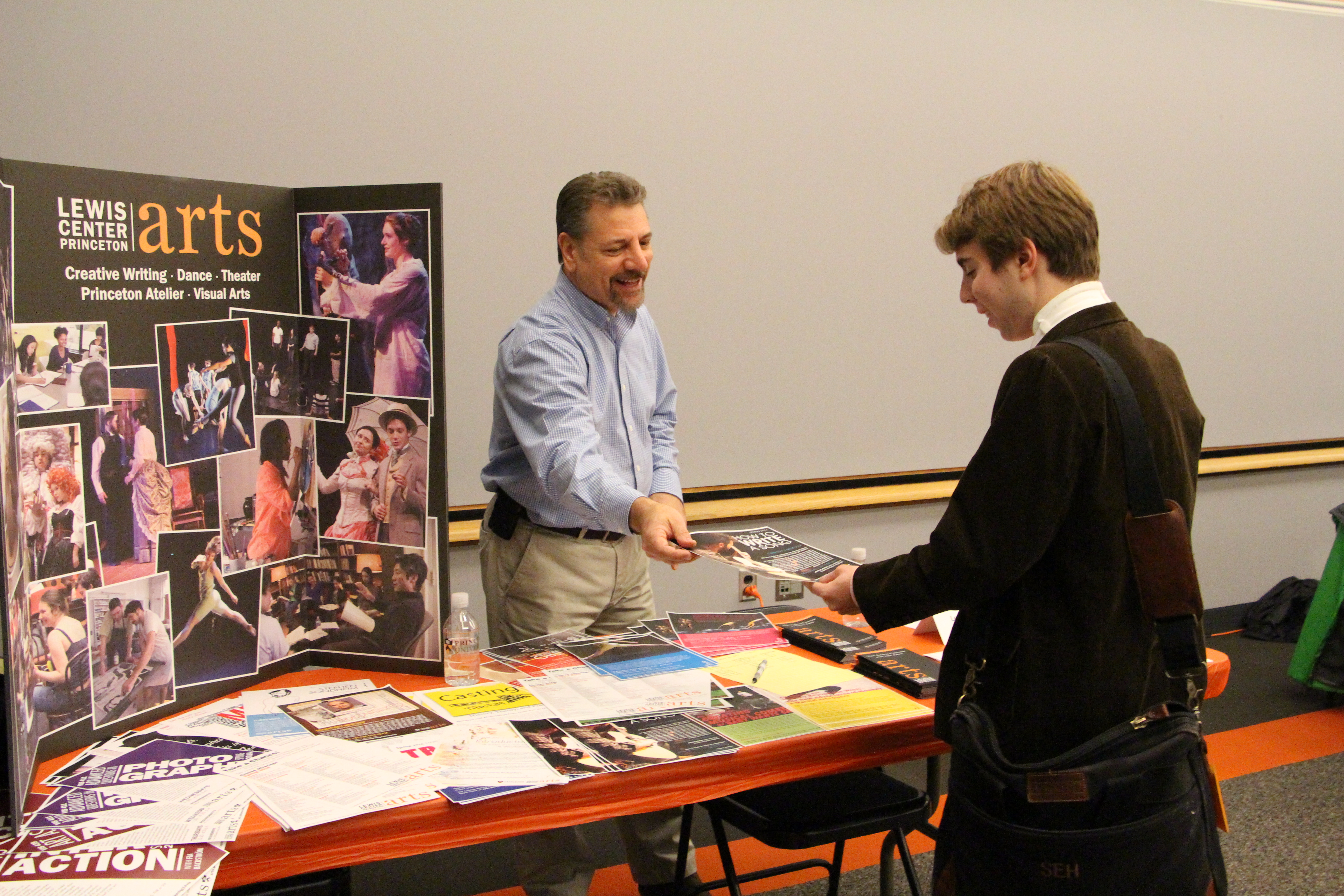
Nav­i­gat­ing cam­pus resources can be over­whelm­ing. The good news is that an event is fast approach­ing where you’ll be able learn about a vari­ety of Prince­ton resources for intern­ships — all in one place. On Novem­ber 16th, Career Ser­vices will be host­ing the All-Princeton Resource Fair for Sum­mer Intern­ships & Fund­ing.   From 1–4 pm, Frist Lower Level will turn into your “one-stop smor­gas­bord” for intern­ship oppor­tu­ni­ties and fund­ing options.

This fair is a won­der­ful oppor­tu­nity to learn about the dif­fer­ent intern­ship pro­grams and fund­ing options avail­able specif­i­cally to Prince­ton stu­dents,” said Jen­nifer Pru­den­cio, Assis­tant Direc­tor of Intern­ships and Career Coun­sel­ing and fair manager.

Depart­ments and pro­grams attend­ing will together rep­re­sent hun­dreds of intern posi­tions!” The fair will include oppor­tu­ni­ties as diverse as Princeton’s many depart­ments. “Pro­grams will be rep­re­sent­ing areas such as nonprofit/public ser­vice, arts, edu­ca­tion, enter­tain­ment, inter­na­tional affairs, entre­pre­neur­ship, tech­nol­ogy, research, finance, and envi­ron­ment, to name a few,” said Prudencio.

Par­tic­i­pat­ing depart­ments and pro­grams (so far) include: Andlinger Cen­ter for Energy and the Envi­ron­ment, Cen­ter for African-American Stud­ies (CAAS), Davis Inter­na­tional Cen­ter, Keller Cen­ter for Inno­va­tion in Engi­neer­ing Edu­ca­tion, Pace Cen­ter for Civic Engage­ment Guggen­heim Intern­ships in Crim­i­nal Jus­tice, Prince­ton Intern­ships in Civic Ser­vice (PICS), Prince­ton Alumni Weekly (PAW), Prince­ton Enter­tain­ment Intern­ship Pro­gram, Prince­ton Envi­ron­men­tal Insti­tute (PEI), Prince­ton in Asia (PiA), Prince­ton Uni­ver­sity Office of the Exec­u­tive Vice Pres­i­dent, Prince­ton Uni­ver­sity Art Museum, Prince­ton Uni­ver­sity Ger­man Sum­mer Work Pro­gram, Prince­ton Uni­ver­sity Invest­ment Com­pany (PRINCO), Prince­ton Uni­ver­sity Pro­gram in Global Health and Health Pol­icy, Princeton’s Inter­na­tional Intern­ship Pro­gram (IIP), Princeton-Blairstown Cen­ter, Stu­dent Activ­i­ties Fund­ing Engine (SAFE), and the Woodrow Wil­son School Under­grad­u­ate Program.

One of the advan­tages of intern­ship fairs is their unique propen­sity to open up your options. As you wan­der among the many booths and chat with var­i­ous rep­re­sen­ta­tives, you may just stum­ble on an oppor­tu­nity that you never would have con­sid­ered oth­er­wise. “When I meet with stu­dents, I often get the ques­tion, “how do I nar­row down my options while stay­ing broad so that I don’t miss any oppor­tu­ni­ties?” said Prudencio. “Coming to this fair will help you do just that: learn about new fields or orga­ni­za­tions that you may have not con­sid­ered before.”

In addi­tion, the fair will dis­play many fund­ing oppor­tu­ni­ties avail­able through Prince­ton. “You will also learn about some fund­ing resources for unpaid intern­ships that you may secure on your own,” said Pru­den­cio. “These appli­ca­tions are dif­fer­ent from apply­ing directly to an intern­ship posi­tion.  Since many of them require that you secure an intern­ship on your own, this can help you to really start think­ing out­side of the box!”

Rep­re­sen­ta­tives from the new stu­dent fund­ing por­tal called Stu­dent Activ­i­ties Fund­ing Engine (SAFE) will also be attend­ing the fair. Stu­dents can learn about this new resource, which will help them nav­i­gate fund­ing oppor­tu­ni­ties in one cohe­sive website.

As Pru­den­cio stresses, there’s no time like the present to start plan­ning for sum­mer 2013. “Many of the appli­ca­tions are still in the midst of prepar­ing to go live,” said Pru­den­cio. “Dead­lines for these pro­grams and fund­ing resources may begin as early as Decem­ber, so this will help you plan well in advance…You can also learn about the appli­ca­tion process and how to pre­pare your own application.”

Plan­ning on attend­ing? Pru­den­cio explains how you should pre­pare. “You can visit the most up-to-date list of attend­ing programs/departments on Tiger­Tracks,” she said.

Read about the pro­gram on their web­sites and come with ques­tions. Imag­ine your­self prepar­ing to apply for these pro­grams – what would you like to know that you can ask in per­son? Areas to con­sider include prepar­ing your appli­ca­tion, under­stand­ing the program’s time­line, and learn­ing about the intern­ships them­selves (orga­ni­za­tions, ben­e­fits of par­tic­i­pa­tion, etc).”

Finally, you don’t have to break out the tux for this event. Casual or busi­ness casual is fine!

Welcome to Fall 2012!

Wel­come to fall 2012! Leaves are chang­ing, the school­work has only just started to pile up, and the din­ing halls have already rolled out the pump­kin pie. More­over, ‘tis the sea­son to plan ahead. Con­sider this:

Imag­ine you’re a pro­fes­sor open­ing up your email. You start day­dream­ing about how you have more papers to grade than dol­lars of U.S. debt. Sud­denly, you click on an email from one of your stu­dents: “Urgent: Rec­om­men­da­tion Let­ter due Tomorrow.”

Talk about night­mare and a half. So, why not start think­ing about jobs, intern­ships, and grad­u­ate school now? “I wish I did” will be “Thank mercy, I already did!” Here’s five steps to get you off to a pro­duc­tive start.

Step 1: Find your big pic­ture direc­tion, find your groove. What makes you tick? What are your strengths? Are there spe­cific issues that you want to see resolved by the time you’re 40? What can you do to achieve this? Do some self-searching here or here. Find your big pic­ture direc­tion through pro­grams like Break­out Trips, Princetern­ships, or study abroad!

Step 2: Research jobs, intern­ships, and fel­low­ships now. That’s it, click on Tiger­Tracks, go to UCAN, and attend info ses­sions and career fairs. Eas­ier said than done? Here’s a secret: Google Cal­en­dar. I can­not stress this enough. Pen­cil in impor­tant dates, and you’ll get pop-ups to remind you the day before some­thing is due, or ten min­utes before an info session.

Step 3: Refine your resume. If you’re writ­ing your resume go to Career Service’s page here. If you’re refin­ing it, Wet­Feet gives you the insider tips here. And if you’re tired of spend­ing your Sat­ur­day nights alone, sleep­less, and toil­ing over your “Expe­ri­ence” sec­tion, save your lone­li­ness for your love life and sign up to meet with a career coun­selor here. An extra pair of eyes will help you get a lot done in a short amount of time. More impor­tantly, your social life will thank you.

Step 4: Fill in the miss­ing pieces. You’re pres­i­dent of every stu­dent group on cam­pus. But have you engaged in ser­vice? If not go here. You’ve taken Chi­nese for three years, but have you trav­eled abroad? If not, check this and this out. You’ve had a steady sum­mer job—but have you held a job that will pro­vide you with a pro­fes­sional rec­om­men­da­tion? Go here. You’re doing great in your major, but have you applied for awards that will show your cred­i­bil­ity? Just think: your mar­ketabil­ity is like a Monet jig­saw puzzle—you might look great with the pieces you have, but a com­plete pic­ture will look even bet­ter to employ­ers and appli­ca­tion boards.

Step 5: Relax! You’re almost there. And then check out some inter­view tips while you’re at it. To stay “chill” in the inter­view, get some prac­tice. Career Ser­vices offers mock inter­views. Come with your resume and a descrip­tion of the jobs you may be inter­ested in.