Escape to the Diamond Mountains in Korea, 1928

(This is our ninth and final post about the films of diplo­mat John Van Antwerp Mac­Mur­ray. See the first post for more background.)
postcardKorea120428.jpg

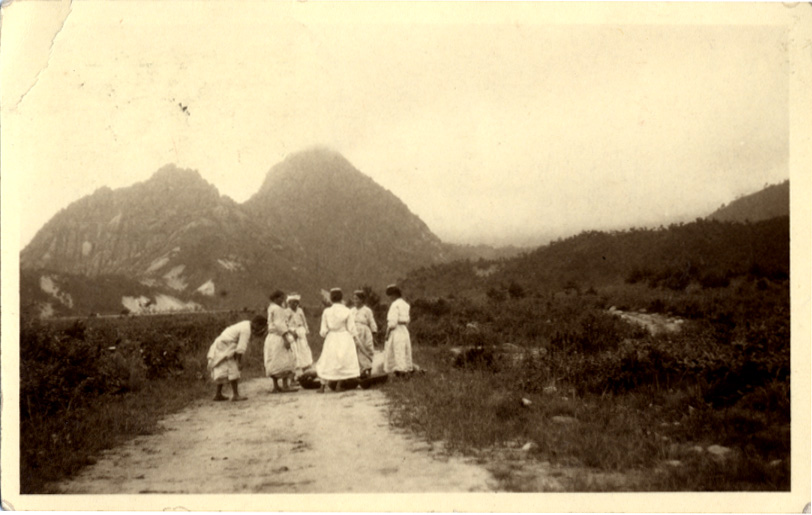
A typ­i­cal group of Korean women gos­sip­ing on the road near Onseiri.” Post­card to Hen­ri­etta V.A. Mac­Mur­ray, printed from a pho­to­graph by Mac­Mur­ray (Box 26, Decem­ber 4, 1928)

This is the last post fea­tur­ing the films that diplo­mat John Van Antwerp Mac­Mur­ray made while serv­ing as Min­is­ter to China from 1925–1929. The film “The Dia­mond Moun­tains, 1928,” which cap­tures a fam­ily vaca­tion in Korea in the sum­mer of 1928, may be a fit­ting end: in the three pre­ced­ing years Mac­Mur­ray had seen the coun­try that he loved come under the con­trol of Chi­ang Kai-shek’s Nation­al­ist Party, a devel­op­ment that he had watched with cau­tion, as did many of his col­leagues in the diplo­matic corps. His thoughts about how to deal with the Nation­al­ists dif­fered from those of his supe­ri­ors in Wash­ing­ton, which made his posi­tion increas­ingly dif­fi­cult. On August 5, 1928, two months after the Nation­al­ists took con­trol of Peking, he wrote his mother about how much he and his wife were look­ing for­ward to the vaca­tion in Korea. “Lois and I are feel­ing very “fed up” and stale and anx­ious to be away from things for long enough to take a fresh start.” The dif­fer­ences of opin­ion between Mac­Mur­ray and his supe­ri­ors, how­ever, ulti­mately led to MacMurray’s res­ig­na­tion from his post in Octo­ber 1929.


The fam­ily spent their vaca­tion at one of the pools in the Dia­mond Moun­tains (Mount Geum­gang, now North Korea), where they stayed in a hotel in the vil­lage of Onseiri in the Outer Kongo between August 17 and Sep­tem­ber 18, 1928. The film opens with fam­ily swim­ming, fish­ing, and moun­tain scenes, fol­lowed at 6:35 by brief footage of women on a street near Onseiri, also shown on the post­card above. The footage that fol­lows of vil­lagers and monks is assumed to be shot in the Choanji (Changansa) Monastery, which had the largest col­lec­tion of tem­ples in the Inner Kongo. Mac­Mur­ray and his wife spent a few days there on their own, while their chil­dren were looked after at the hotel.

The John Van Antwerp Mac­Mur­ray Papers con­tain pho­tographs Mac­Mur­ray made dur­ing his trips to the Dia­mond Moun­tains (Box 155–156), some of which he sent as post­cards to his mother (Box 26). Apart from the first post­cards, how­ever, descrip­tions of the scenes are lack­ing. A film shot of a pre­vi­ous vaca­tion in the Dia­mond Moun­tains in 1926, which was recently found, has not been dig­i­tized yet.

Peking friends and family scenes

(This is our eighth post about the films of diplo­mat John Van Antwerp Mac­Mur­ray. See the first post for more background.)

Although most films that have pre­vi­ously been dis­cussed are inter­spersed with fam­ily scenes, shot in and around Peking and dur­ing out­ings and vaca­tions, some of MacMurray’s films are more dis­tinc­tively “home movies.”  Fea­tured here are films of MacMurray’s fam­ily and friends in Peking, includ­ing his domes­tic staff and dogs. The films include rare footage of the Chi­nese dancer Yu Rongling (1882–1973).

This early per­sonal movie, shot soon after the Mac­Mur­ray fam­ily arrived in China in 1925, cap­tures MacMurray’s chil­dren at play, rid­ing bikes and ponies, at a birth­day party, and in the com­pany of ser­vants and of their dogs. The film includes some footage of John Van Antwerp Mac­Mur­ray and his wife Lois Good­now Mac­Mur­ray, as well as group shots of their staff.


This 100-foot reel, which was labeled by Mac­Mur­ray him­self, cap­tures a three minute long dance with two swords by the Chi­nese dancer Yu Rongling, the wife of Gen­eral Dan Pao Chao of Bei­jing. Yu, who received a West­ern edu­ca­tion along with her older sis­ter “Princess” Der Ling, had stud­ied dance in Paris and intro­duced West­ern dances to China. There is no cor­re­spon­dence in MacMurray’s papers that doc­u­ments the rela­tion­ship with Dan Pao Chao and his wife.


The few frag­ments on this film include footage of MacMurray’s chil­dren, a nation­al­ist flag (0:15), and British Ambas­sador Miles Lamp­son (0:32), who was a good friend of MacMurray.


This reel con­tains another frag­ment of the mime per­for­mance by the man iden­ti­fied as José Gal­lostra, who is mim­ic­k­ing the diplo­mats pre­scribed behav­ior at the bier of Sun Yat-sen dur­ing their trip to attend his rein­ter­ment in Nanking. It is fol­lowed by some footage of MacMurray’s chil­dren with an artist and performers.


The footage on this reel includes a pic­nic with guests, fam­ily swim­ming, and more footage of the per­form­ers seen on the above reel “1.”

Pre­vi­ous posts about the films of John Van Antwerp MacMurray:


Vacation with the Navy, friends with the Marines

(This is our sev­enth post about the films of diplo­mat John Van Antwerp Mac­Mur­ray. See the first post for more background.)


MacMurrayfam with Butler.jpg

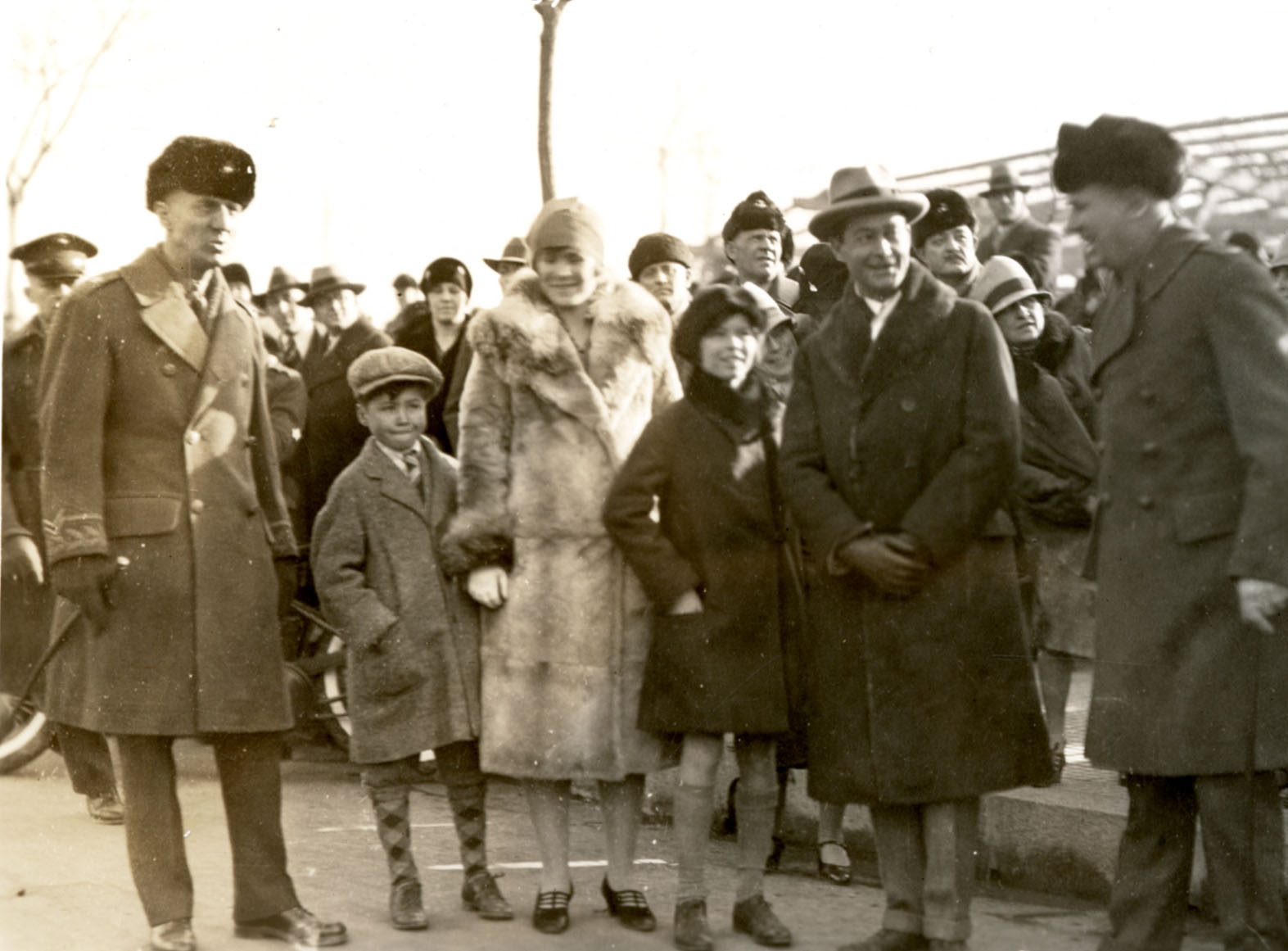
Mac­Mur­ray and his wife and two old­est chil­dren at a mil­i­tary review in Jan­u­ary 1928 in Tientsin. Left Gen­eral Smed­ley But­ler (John Van Antwerp Mac­Mur­ray Papers, Box 145)

On August 8, 1926, dur­ing a fam­ily vaca­tion in Chefoo (the sum­mer head­quar­ters of the US Asi­atic Fleet), Mac­Mur­ray wrote his mother that her grand­son had prob­lems stay­ing loyal to the Marines in Peking. After doing bat­tle prac­tice on a four-inch gun destroyer he had told his father: “I find that the sailors are as play­ful as the Marines.” As mem­bers of a diplomat’s fam­ily, MacMurray’s chil­dren were well acquainted with the US Marines and Navy in China. The films fea­tured here cap­ture naval ships in Chefoo har­bor and Marines parad­ing at the Peking Lega­tion, as well as mil­i­tary air­planes, artillery, and tanks dur­ing reviews on Marine bases in Hsin Ho and Tientsin. The films include shots of the highly dec­o­rated “Fight­ing Quaker” Gen­eral Smed­ley D. But­ler, com­man­der of the Marine Expe­di­tionary Force between 1927 and 1929.


This film was shot in Chefoo (Yan­tai) and Penglai, where the Mac­Mur­ray fam­ily spent sum­mer vaca­tion in 1926. It opens with elab­o­rate views of ships at Chefoo har­bor, which is fol­lowed by tar­get prac­tice on the USS Pruitt, from which the pre­vi­ous footage was prob­a­bly shot (2:00). After images of a car being trans­ferred across the water, the film con­tin­ues with footage of Penglai, a small medieval town with an inner har­bor and a tem­ple on top of a rock (3:47). The rare footage of air­planes that fol­lows (3:59) was shot at Camp Mac­Mur­ray, the first US Marine air­base in China, which was estab­lished by But­ler at Hsin Ho and named after Mac­Mur­ray. It is not clear when Mac­Mur­ray, who appears to have been taken on a fly­ing tour, vis­ited the base. The last part of the film cap­tures artillery and tanks of the 10th Marine reg­i­ment in Tientsin on an unknown occa­sion (6:57), end­ing with march­ing British troops at Tientsin.


This film opens with a parade of the Lega­tion Guard (abbre­vi­ated by Mac­Mur­ray as “Lagu” Guard), fol­lowed by some brief footage of Gen­eral Smed­ley But­ler (0:19). (For more infor­ma­tion and exten­sive footage of the Lega­tion Guard see our pre­vi­ous post.) The footage that fol­lows (1:19) cap­tures the build­ing of the Sino-American high­way from Tientsin to Peking, a project that took place under Butler’s super­vi­sion in the fall of 1928, when the Third Brigade of the US Marines in Tientsin coop­er­ated with Nation­al­ist troops. A com­mem­o­ra­tive photo album of the project can be found in MacMurray’s Papers (box 147). The films ends with shots of march­ing Scot­tish sol­diers at the Peking lega­tion and more footage of Gen­eral But­ler (1:42).


After some vil­lage and nature scenes in the West­ern Hills, the frag­ments on this film include some more footage of the Lega­tion Guard parad­ing in the Peking com­pound (0:47). This is fol­lowed by what may be a Chi­nese bur­ial pro­ces­sion of some­one of impor­tance, show­ing griev­ing peo­ple car­ry­ing ban­ners and pup­pets of peo­ple and ani­mals (1:33).

Our thanks to Dirk Haig for his assis­tance with iden­ti­fy­ing mil­i­tary images and to Shuwen Cao for her help with the local scenes.

Pre­vi­ous posts about the films of John Van Antwerp MacMurray:

Trips to the South and the Philippines, 1926 and 1929

Image

(This is our sixth post about the films of diplo­mat John Van Antwerp Mac­Mur­ray. See the first post for more background.)

JVAM postcard 020228.jpg
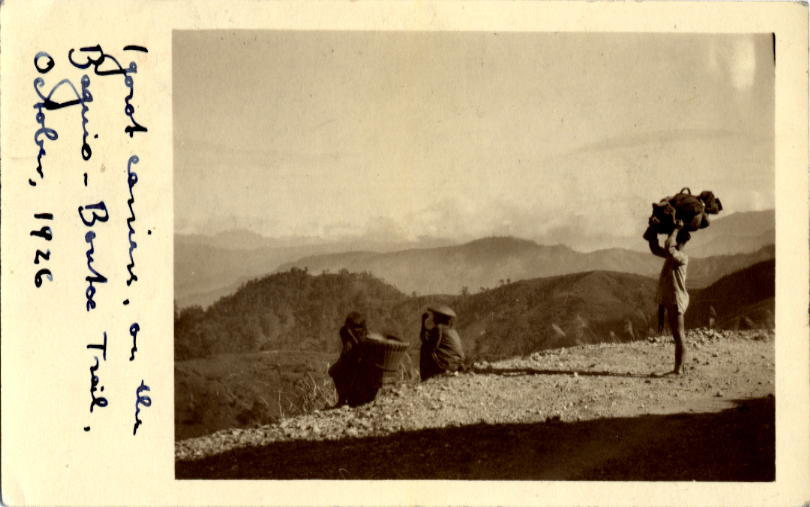
Photo of Igonot car­ri­ers, taken by Mac­Mur­ray on the trail between Baguio and Bon­toc (Oct 1926) and sent to his mother as a post­card  (John V.A. Mac­Mur­ray Papers, box 26)

In the fall of 1926 Mac­Mur­ray and his wife trav­eled through South China and to the Philip­pines, where they vis­ited Gov­er­nor Gen­eral Leonard Wood in Manila and Camp John Hay in Baguio. A trip to Bon­toc, where the Mac­Mur­rays stayed with gov­er­nor John C. Early, became the high­light of the jour­ney. Fea­tured below is a film of this trip from Baguio to Bon­toc. It con­tains rare footage of the local Igorots, who danced for Mac­Mur­ray dur­ing a fes­ti­val that Early orga­nized in honor of his guests on Octo­ber 9, 1926. The sec­ond film was shot dur­ing the boat trip from Shang­hai to Hongkong, pre­sum­ably pre­ced­ing their visit to the Philip­pines. The last film that is fea­tured con­tains footage of a trip to Nanking in 1929.

The film opens with footage that was shot along the trail from Baguio to Bon­toc. Mac­Mur­ray wrote his mother in detail about his visit to the Philip­pines on Octo­ber 8 and Decem­ber 12, 1926. A descrip­tion of the Igorot fes­ti­val on Octo­ber 9 can be found In the sec­ond let­ter, which Mac­Mur­ray wrote after he had returned to Peking and seen the film. His account of the dances that he filmed explains some of the footage. An old man, who was “a lit­tle drunk,” appeared in every dance, “whether of the sea­soned war­riors or of the maid­ens of the vil­lage.” Mac­Mur­ray was impressed with the tact and con­sid­er­a­tion that the Igorots dis­played when get­ting him out of the way. He also described a “par­tic­u­larly uprightly and engag­ing head-hunter,” who taught the “towns­men” the dance of another tribe, which he had recently seen.

A photo album of the trip to can be found in MacMurray’s papers (box 157). Descrip­tions of some of the pho­tos may be found on post­cards that he printed of the neg­a­tives and sent to his mother (box 26).


Accord­ing to a list of scenes that was found among MacMurray’s reels (see SouthChinalistofscenes.pdf), the footage of this film was orig­i­nally attached to that of a fam­ily vaca­tion in Chefoo. Pre­sum­ably, the film fea­tured here cov­ers the trip through South China that pre­ceded the visit to the Philip­pines. It begins with lotus ponds at Hang­chow (Hangzhou) and is fol­lowed by footage shot aboard a ship between the har­bors of Shang­hai and Hong Kong. In between both har­bors Mac­Mur­ray lists Amoy Har­bor, Can­ton Har­bor with the HMS Sacra­mento, and scenes along the West River, includ­ing a pagoda on the inner reach and the USS Pamfanga.


The trip to Nanking, dur­ing which Mac­Mur­ray shot this footage, pre­ceded his visit to Nanking to attend the rein­ter­ment of Sun Yat-sen on June 1, 1929 (see our pre­vi­ous post). The film begins with a brief train scene and footage shot aboard a boat, pos­si­bly across the Yangtze River between the train sta­tion at Pukou and Nanking. This is fol­lowed by shots of the new mau­soleum for Sun Yat-sen, which appears not to be fin­ished yet. The film ends with a train being guarded by a sol­dier, fol­lowed by men car­ry­ing lug­gage and peo­ple hold­ing uniden­ti­fied banners.


Pre­vi­ous posts about the films of John Van Antwerp MacMurray:

Marines and Chinese armies in Peking

(This is our fifth post about the films of diplo­mat John Van Antwerp MacMur­ray. See the first post for more background.)

When watch­ing MacMurray’s peace­ful films of China, it is easy to for­get that the coun­try was torn by civil war for most of the time he served as min­is­ter. The films labeled “Peking Misc(ellaneous) I-II,” serve as a reminder. The first film opens with drills of the U.S. Marines of the Lega­tion Guard, who pro­tected the lega­tion and, in emer­gen­cies, Amer­i­can cit­i­zens. In addi­tion, the sec­ond film con­tains elab­o­rate, rare footage of Nation­al­ist troops, which may have been shot dur­ing the “cap­ture”  of Peking in June 1928 that ended the Nation­al­ists’ North­ern Cam­paign and left Chi­ang Kai-shek and his party in con­trol of the country.

TaPaSsubreakin.jpg

Above: News­pa­per clip­ping of June 18, 1928, about a break-in by Nation­al­ist sol­diers of Ta Pei Ssu, a tem­ple leased by Mac­Mur­ray (box 104).

Accord­ing to a news­pa­per clip­ping in MacMurray’s papers, Nation­al­ist sol­diers broke into the ‘Ta Pa Ssu’ tem­ple in the West­ern Hills, which was leased by the Mac­Mur­ray fam­ily. (For more on tem­ple rent­ing, see our pre­vi­ous entry.) Fear of loot­ing and vio­lence against for­eign­ers, as had occurred dur­ing the Nation­al­ist cap­ture of Nanking in March 1927, was wide­spread. These fears proved unfounded, how­ever, as can be read in My Life in China, the mem­oirs of Hal­lett Abend, a reporter for the New York Times. After nego­ti­a­tions with the for­eign lega­tions, the gen­er­als of the armies that sur­rounded the city agreed that Chang Tso-lin, the Manchurian war­lord in con­trol of Peking, would be allowed to leave the city, while his best-disciplined troops stayed behind to retain order. When Gen­eral Yen Hsi-shan’s troops entered the city through the South Gate, Chang’s troops would exit through the North­east gate. Does MacMurray’s footage cap­ture these events?

The first film opens with a visit of pre­sum­ably Admi­ral Clarence Williams, com­man­der in chief of the US Asi­atic Fleet (1:09), and a parade by the Marines of the Lega­tion Guard. (The naval offi­cers with bicorn hats (0:53) are not iden­ti­fied). The footage con­tin­ues with a long series of drills, in which the Marines are sim­u­lat­ing their defense of the Lega­tion Quar­ter: first, the gates are closed and mounted Marines are sent out to “res­cue” Amer­i­cans (1:39), while heavy machine guns and sup­plies are retrieved from the armory with two wheel carts (2:01). This is fol­lowed by artillery drill prac­tice from the Tar­tar Wall (2:30). The remain­der of the film shows var­i­ous Peking sites, includ­ing Bei­hai Park, and footage of Peking in snow. In addi­tion, the film con­tains street and mar­ket scenes and shots of musi­cians and performers.


The sec­ond film con­tin­ues with local scenes of Peking and its sur­round­ings, includ­ing a funeral pro­ces­sion (0:12), street and mar­ket scenes, ice skat­ing (2:21), and the sell­ing and burn­ing of incense at a tem­ple (4:34). The footage that may cap­ture the entry of Nation­al­ist sol­diers in Peking starts at 7:14.

Mac­Mur­ray filmed an encounter with an uniden­ti­fied mil­i­tary offi­cer (7:58), groups of vehi­cles and packed camels, and armed and unarmed troops (8:38, 8:43, 8:54, 9:13, 9:19, 9:35), wear­ing dif­fer­ent arm­bands and on two occa­sions car­ry­ing dif­fer­ent flags (8:38 and 8:54). Film­ing the groups from dif­fer­ent loca­tions, Mac­Mur­ray appears to have sought a vari­ety of mil­i­tary and uni­formed groups, alter­nat­ing with shots of onlook­ers and guards. Of par­tic­u­lar inter­est are the men with straw hats wear­ing arm­bands with Guo­min­dang stars (9:35). The film ends with footage of a sol­dier rais­ing the Nation­al­ist flag (10:15), and a scene at a train sta­tion, with sol­diers leav­ing on an open car (10:22). The brief footage fol­low­ing, shot aboard a boat, does not seem to be related.

unidentified.jpgThe footage leaves many ques­tions. Did Mac­Mur­ray film this on June 8 1928, the day that the Nation­al­ist troops entered the city, or was it spread over a few days? Who was the mil­i­tary offi­cer who gets so much atten­tion (the fourth from the left in the pic­ture here)? What do the two flags at 8:38 and 8:54 indi­cate, and what is the mean­ing of the dif­fer­ent arm­bands, which were often used to dif­fer­en­ti­ate between forces and units (8:38, 9:19, 9:36)? Ulti­mately, who are the troops in the end, leav­ing by train? When the Manchurian troops, who had been promised safe con­duct, evac­u­ated the city, they were sur­rounded and dis­armed by the sol­diers of a sub­or­di­nate gen­eral, Han Fu-chu. The inci­dent required the inter­ven­tion of the diplo­matic corps. Is any of this footage related to that? If you are able to shed any light on the films, we would love hear from you!

Our thanks to Dirk Haig for his expla­na­tion of the Marine drills, Shuwen Cao for her iden­ti­fi­ca­tions of local scenes, and Edward McCord for his infor­ma­tion about Chi­nese uni­forms, arm­bands, and flags.

Pre­vi­ous posts about the films of John Van Antwerp MacMurray:

Renting a temple in the Western Hills

(This is our fourth post about the films of diplo­mat John Van Antwerp Mac­Mur­ray. See the first post for more background.)

Detail of a map of the Western Hills
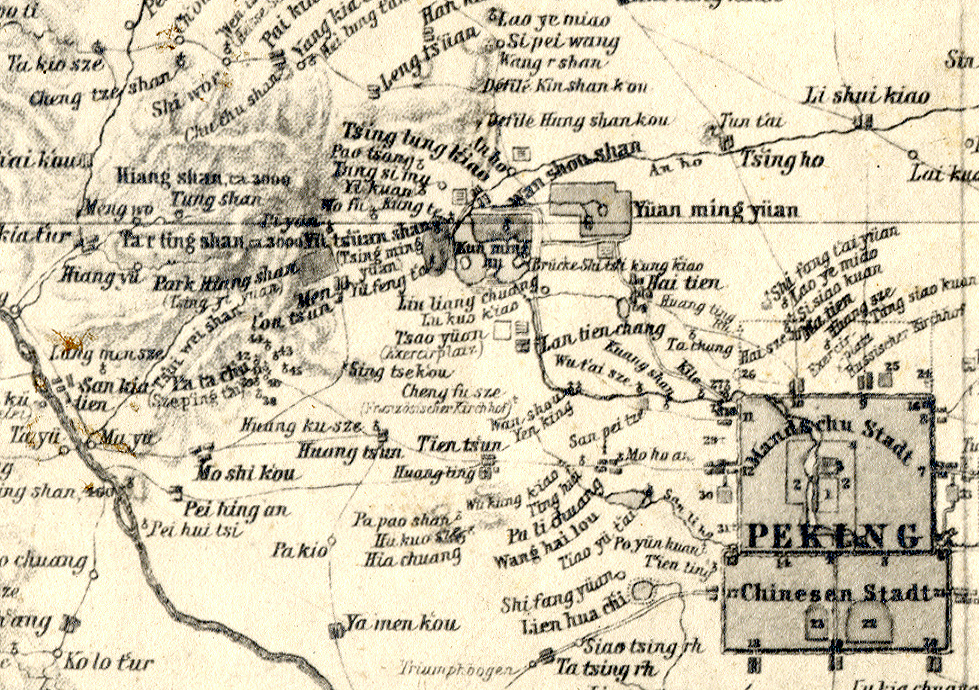
Detail of MacMurray’s Ger­man map of the Peking sur­round­ings. The Pa Ta Ch’u val­ley, with Ta Pei Ssu, the tem­ple rented by Mac­Mur­ray (no. 41) is shown at the left of the cen­ter above Mo shi Kou.

To escape the heat and air of the city, diplo­mats in Peking (Bei­jing) spent their week­ends and sum­mers in the West­ern Hills, the hilly region to the north­west of Peking, where they often “rented a tem­ple.” Dur­ing his pre­vi­ous time in Peking as Sec­re­tary to the Lega­tion (1913–1917), Mac­Mur­ray expressed his love for the Hills in hun­dreds of pho­tographs of the area’s tem­ples and scenery. Thumbnail image for TaPaSsuLease.gifWhen he returned in 1925, he focused his motion pic­ture cam­era on peo­ple instead. In addi­tion to fam­ily and friends, Mac­Mur­ray filmed vil­lage and rural scenes dur­ing var­i­ous trips in the Hills, where trans­port was often by don­key. Mac­Mur­ray labeled the films him­self, but did not pro­vide any iden­ti­fi­ca­tions. Some of the scenes are shot at Ta Pei Ssu, a tem­ple in the Pa Ta Ch’u val­ley, where Mac­Mur­ray and his fam­ily leased liv­ing quarters.

Lease of liv­ing quar­ters at Ta Pei Ssu for 1926–1927. The other half was kept by the temple’s admin­is­tra­tion (trans­la­tion at TaPeiSsutransl.pdf).


The first film includes uniden­ti­fied views and local scenes, vil­lagers per­form­ing man­ual labor, don­keys and camels and their dri­vers, and views of the hills cov­ered in snow. The footage also fea­tures a trip to the Ming tombs.


This film includes some fam­ily and tem­ple scenes, prob­a­bly at Ta Pei Ssu. In addi­tion, the film includes street and vil­lage scenes, as well as footage of car­ri­ers, labor­ers, pig herders, and other villagers.


Miao Feng Shan (“Mar­velous Peak Moun­tain”) was a pop­u­lar pil­grim­age site about 30 miles north­west of Peking. On Octo­ber 23, 1928 Mac­Mur­ray wrote his mother that the fam­ily was tak­ing their guest, the artist Lil­ian (“Jack”) Miller, on a five-day trip in the West­ern Hills to Lung Ch’uan Ssu, Miao Feng Shan, Ti Shui Yen, and T’an Che Ssu. Mac­Mur­ray must have shot this film dur­ing this trip. The film includes views of the Sum­mer Palace north­west of Bei­jing, but the scenes fol­low­ing are not iden­ti­fied. The last part of this film seems to have been shot while climb­ing Miao Feng Shan.


The frag­ments on this reel include images of MacMurray’s chil­dren, Joan and Frank, and a guest rid­ing don­keys in the West­ern Hills, pos­si­bly Lil­ian (“Jack”) Miller.


This brief film opens with camels and a camel herder, fol­lowed by a man who seems to be the sto­ry­teller at Chieh Tai-Ssu (a tem­ple in the West­ern Hills), men­tioned on the film reel label. The footage ends with a small boat being pulled across a stream.


Pre­vi­ous posts about the films of John Van Antwerp MacMurray:

A diplomat’s trip along the Yangtze River, 1928

(This is our third post about the films of diplo­mat John Van Antwerp Mac­Mur­ray. See the first post for more background.)

On Feb­ru­ary 24, 1928, Mac­Mu­ray, his Chi­nese sec­re­tary, and a naval attaché started a six-week trip along the Yangtze (Yangzi) river to inspect con­sulates and ports between Tsing­tao (Qing­dao) and Chungk­ing. Mac­Mur­ray, who took his cam­era along, painstak­ingly listed the ships, ports, and towns he filmed in pass­ing, as well as the treach­er­ous rapids and gorges between Shasi and Kweifu (Yangtszelists.pdf). “This Upper Yangtze trip is the most beau­ti­ful I have ever made,” he wrote his mother on March 13. The three films that Mac­Mur­ray shot aboard four ships are fea­tured here. JVAM postcard 051328.jpgThe only ref­er­ence to the polit­i­cal con­text of the films is an incon­spic­u­ous boat that rep­re­sented, accord­ing to MacMurray’s notes, the “Amer­i­can Con­sulate at Nanking, tem­porar­ily at Chinkiang.” Since its cap­ture in March 1927, Nanking (Nan­jing) had been the cap­i­tal of the Nation­al­ist Party, which was, by the time of MacMurray’s trip, in con­trol of most of South China. Dur­ing the trip, Mac­Mur­ray met the Nation­al­ist Party’s for­eign min­is­ter Huang (Hwang) Fu, and nego­ti­ated a set­tle­ment of the “Nanking inci­dent,” an out­burst of anti-foreign sen­ti­ments dur­ing the cap­ture of Nanking one year before. This would pave the way for the Tar­iff Treaty of July 25, 1928, which,  one month after the Nation­al­ists took con­trol of Peking, was a de facto recog­ni­tion of the Nation­al­ist regime of China.

Above: “The Amer­i­can Con­sulate at Nanking, tem­porar­ily at Chinkiang.” Photo printed on a post­card to MacMurray’s mother on May 13, 1928  (John Van Antwerp Mac­Mur­ray Papers, box 26)


MacMurray’s first “Yangt­sze” film begins with some brief footage in Tsi­nanfu, fol­lowed by out­door scenes in Tsing­tao, where admin­is­tra­tor gen­eral Chao Chi (Zhao Qi) took Mac­Mur­ray, who loved dogs, to a train­ing ses­sion of police dogs (1:15). The destroyer USS Noa took MacMurray’s party to Shang­hai, where they boarded the USS Isabel a few days later to sail to Chinkiang (Zhen­jiang), and to Ank­ing (Anqing). In Chinkiang the group paid a visit to Sil­ver Island (Jiao Shan, 4:34), where Mac­Mur­ray filmed tem­ple scenes and a paper rub­bing shop. At Chinkiang har­bor Mac­Mur­ray cap­tured the Stan­dard Oil house boat, men­tioned above, where the Amer­i­can Con­sulate at Nanking was tem­porar­ily based (3:55). In Ank­ing the party boarded SS Kungwo to Han­kow (Han­kou), where they were joined by Consul-General Frank Lock­hart for the remain­der of the jour­ney to Chungk­ing. The jour­ney between Han­kow and Chungk­ing and back to Han­kow (March 8–22) was trav­eled on river gun­boat USS Guam with Admi­ral Yates Stir­ling, com­man­der of the Yangtze Patrol. After pass­ing Shashi and the Tiger’s Tooth Gorge, the film ends with har­bor and street scenes in Ichang, where Mac­Mur­ray and his party arrived on March 11.


The sec­ond Yangztze film doc­u­ments the jour­ney through the Yangtze Gorges on the upper river between Ichang and the city at the other end of the Gorges, known as Kweifu (now called Fengjie Xian). The footage ends with salt boil­ing at Kweifu (11:07) and some river­bank scenes with gondola-like boats that, accord­ing to Mac­Mur­ray in a post­card to his mother, were native to Kweifu.


The con­tents of “Yangt­sze III,” which con­tin­ues the jour­ney to Chungk­ing, are not listed by Mac­Mur­ray. Dur­ing a stop, pos­si­bly at Wanhsien (Wanx­ian), Mac­Mur­ray filmed the build­ing of a boat, as well as some other river­bank scenes (2:54). The footage that fol­lows includes a close up of MacMurray’s party with Admi­ral Yates Stir­ling (4:56), under whose com­mand the USS Guam was sail­ing. Liu Hsiang.jpgUpon arrival in Chungk­ing the party appar­ently vis­ited local war­lord Liu Hsiang (Liu Xiang 5:40). Sub­se­quent footage con­tains street scenes and the water­front of Chungk­ing. The Yangtze footage that fol­lows was filmed on the way back to Han­kow. It includes the Pre­cious Stone Rock (Shibaozhai) in Zhong Xian, a steep nat­ural rock with pagoda that was passed on the North­ern river bank.

Right: Liu Hsiang, photo por­trait in the John Van Antwerp Mac­Mur­ray Papers (box 120)


Pre­vi­ous posts about the films of John Van Antwerp MacMurray:

Trip to attend the reinterment of Sun Yat-sen, 1929

(This is our sec­ond post about the films of diplo­mat John Van Antwerp Mac­Mur­ray.  See the first post for more background.)
Procession Sun Yat-sensm.jpg

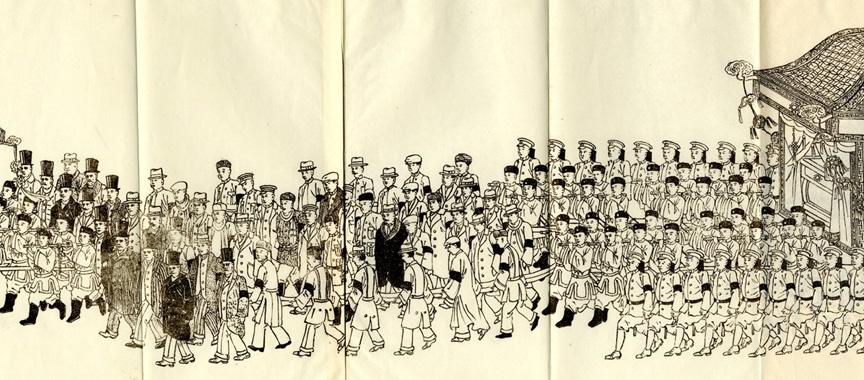
For­eign rep­re­sen­ta­tives accom­pa­ny­ing the bier. Detail from a 9 feet long print of the pro­ces­sion (John Van Antwerp Mac­Mur­ray Papers, box 81 folder 5).

On June 1, 1929, the body of Sun Yat-sen, leader of the Nation­al­ist Party, who died and was buried in Peking (Bei­jing) in 1925, was rein­terred in a new mau­soleum in Nanking (Nan­jing). The newly estab­lished Nation­al­ist gov­ern­ment invited the for­eign diplo­mats in Peking (Bei­jing) to attend the cer­e­mony. Two of the three films that Mac­Mur­ray labeled “Peking I-III’ turn out to cap­ture the trip to Nanking in the “min­is­ters train” and back. Although Mac­Mur­ray did not film the cer­e­mony itself, “Peking II” includes rare footage of the pro­ces­sion of Sun’s body from his orig­i­nal bur­ial place to the train sta­tion in Peking. The films below are shown in reverse order (III, II, I), as it appears Mac­Mur­ray mis-numbered the films.


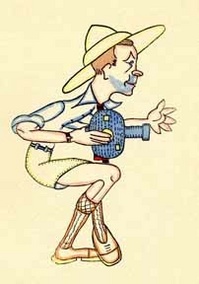
This film begins with scenes in Bei­hai Park in Peking, which include footage of sol­diers, fol­lowed by local sites and scenes, includ­ing the Sum­mer Palace. It ends with footage of who we believe is José Gal­lostra y Coello de Por­tu­gal, the sec­re­tary of the Span­ish lega­tion. Dur­ing the train trip Gal­lostra drew car­i­ca­tures of his col­leagues, which he pub­lished in a satir­i­cal jour­nal for French expa­tri­ates in Peking. Thumbnail image for JVAM cartoonsm.jpgMac­Mur­ray, whose car­i­ca­ture is shown on the left, sent a copy to his chief Stan­ley Horn­beck, with the com­ment that Gal­lostra had a “genius for car­i­ca­ture and an irre­press­ible spirit of mock­ery” (19 July, 1929). In the film fea­tured here, Gal­lostra, who is imper­son­at­ing dif­fer­ent char­ac­ters, seems to be mim­ic­k­ing the pre­scribed behav­ior of the diplo­matic rep­re­sen­ta­tives when pay­ing their last respects to Sun Yat-sen. Dur­ing a cer­e­mony on May 31, prior to the rein­ter­ment, each min­is­ter placed a wreath at the foot of the dais at the head­quar­ters of the Nation­al­ist Party, where the embalmed body lay in state. The three bows while mov­ing for­ward and back­ward can be found in descrip­tions of the cer­e­mony. (Our thanks to Shuwen Cao, East Asian Library, Prince­ton Uni­ver­sity for clar­i­fy­ing this).


The sec­ond film in the series begins with vil­lage scenes in the West­ern Hills, where diplo­mats and their fam­i­lies spent much of their free time. The film includes footage of Mac­Mur­ray and his fam­ily, prob­a­bly at the tem­ple Ta Pei Ssu, where they leased liv­ing accom­mo­da­tions. Mac­Mur­ray filmed addi­tional street and tem­ple scenes, fol­lowed by a local fair and other vil­lage scenes.

After footage of MacMurray’s chil­dren in cos­tumes, the film con­tin­ues with the pro­ces­sion of Sun Yat-sen’s body pass­ing by the Lega­tion Quar­ter (Dongjiaom­inx­i­ang) on its way to the Peking train sta­tion on May 26, 1929 (6:24). It is fol­lowed by the depar­ture of the for­eign rep­re­sen­ta­tives in the “Min­is­ters train” on the fol­low­ing day (7:56). Close-ups include the French min­is­ter Damien de Mar­tel (7:56) and the Dutch min­is­ter W.J. Oudendijk, doyen of the diplo­matic corps, stand­ing next to José Gal­lostra, who is draw­ing in a sketch­book (8:06). The film ends with a train stop at Taianfu.


The third film con­tin­ues the pre­vi­ous footage on the Taianfu sta­tion and includes har­vest­ing scenes that were filmed along the Jinpu rail­road on the way to Nanking. The brief footage of Sun Yat-sen’s mau­soleum (0:28) was shot prior to the funeral, as Mac­Mur­ray did not film the offi­cial cer­e­mony. This is fol­lowed by street scenes in Nanking, where Mac­Mur­ray filmed silk thread mak­ing and other local scenes.

The footage after this seems to have been shot at the Nanking har­bor (Xiaguan), as the train sta­tion in Pukou was on the other side of the Yangzi River (1:18). The next scenes were filmed dur­ing train stops on the way back to Peking and include the Liangh­si­a­tien (Liangx­i­a­dian) sta­tion (the man in bathrobe (1:59) is believed to be Ital­ian min­is­ter and author Daniele Varè), as well as agri­cul­tural scenes, and local musi­cians. The film ends with a children’s scene in the gar­den of the US lega­tion in Peking.

MacMurray’s films of China, 1925–1929

Amer­i­can diplo­mat John Van Antwerp Mac­Mur­ray (1881–1960) began film­ing in 1925, two years after Kodak intro­duced the Cine-Kodak Motion Pic­ture cam­era, which made pro­duc­tion and dis­play of motion pic­tures pos­si­ble for ama­teurs. The John Van Antwerp Mac­Mur­ray Papers at Mudd Man­u­script Library con­tain twenty-eight silent 16mm films, which Mac­Mur­ray shot while serv­ing as Min­is­ter to China (1925–1929). Although the coun­try was divided by civil war and Nation­al­ists took con­trol of Peking (Bei­jing) in June 1928, the films are not polit­i­cal in nature. They con­tain street and other local scenes in Peking, the West­ern Hills, and other places that Mac­Mur­ray vis­ited. A find­ing aid to the John Van Antwerp Mac­Mur­ray Papers at Mudd Man­u­script Library may be found at http://arks.princeton.edu/ark:/88435/wh246s13m .


Mac­Mur­ray shot the first film that is fea­tured here dur­ing a visit with his wife and sis­ter to the North­ern city of Kal­gan (Zhangji­akou) at the Great Wall of China, the gate­way to Mon­go­lia. They accom­pa­nied the Amer­i­can explorer Roy Chap­man Andrews and his exca­va­tion team between Kal­gan and Chang­peh (Zhang­bei) through the Wanchuang (Wanzhuang) pass. Andrews had led a series of expe­di­tions in the Gobi Desert in the 1920s. In 1928, how­ever, rogue sol­diers and brig­ands made access impos­si­ble, hence Mac­Mur­ray had to secure pas­sage by call­ing upon the assis­tance of local war­lord Chang Tso-lin (Zhang Zuolin). The film cap­tures the exit of the crew of 37 peo­ple, eight cars and 150 camels from Kal­gan on April 16, 1928, escorted by 50 Chi­nese cav­al­ry­men. In addi­tion, Mac­Mur­ray filmed local scenes in Kal­gan and on the way to the Wanchuang pass.

Although there is exten­sive cor­re­spon­dence with Roy Chap­man Andrews in the John Van Antwerp Mac­Mur­ray papers, there are no exchanges about this par­tic­u­lar event. A descrip­tion of the expe­di­tion can be found in Dragon Hunter: Roy Chap­man Andrews and the Cen­tral Asi­atic Expe­di­tions by Charles Gal­lenkamp (2001).