PLAS Concentrator Sofia Quinodoz ’13 — Studying the unseen activity in bacteria chatter and a nation’s bereavement

Arti­cle from Prince­ton University’s News at Prince­ton; by Mor­gan Kelly, Office of Communications

Pho­tos by Denise Applewhite

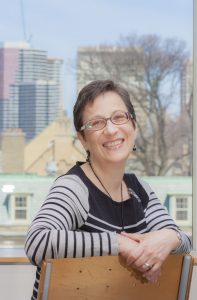
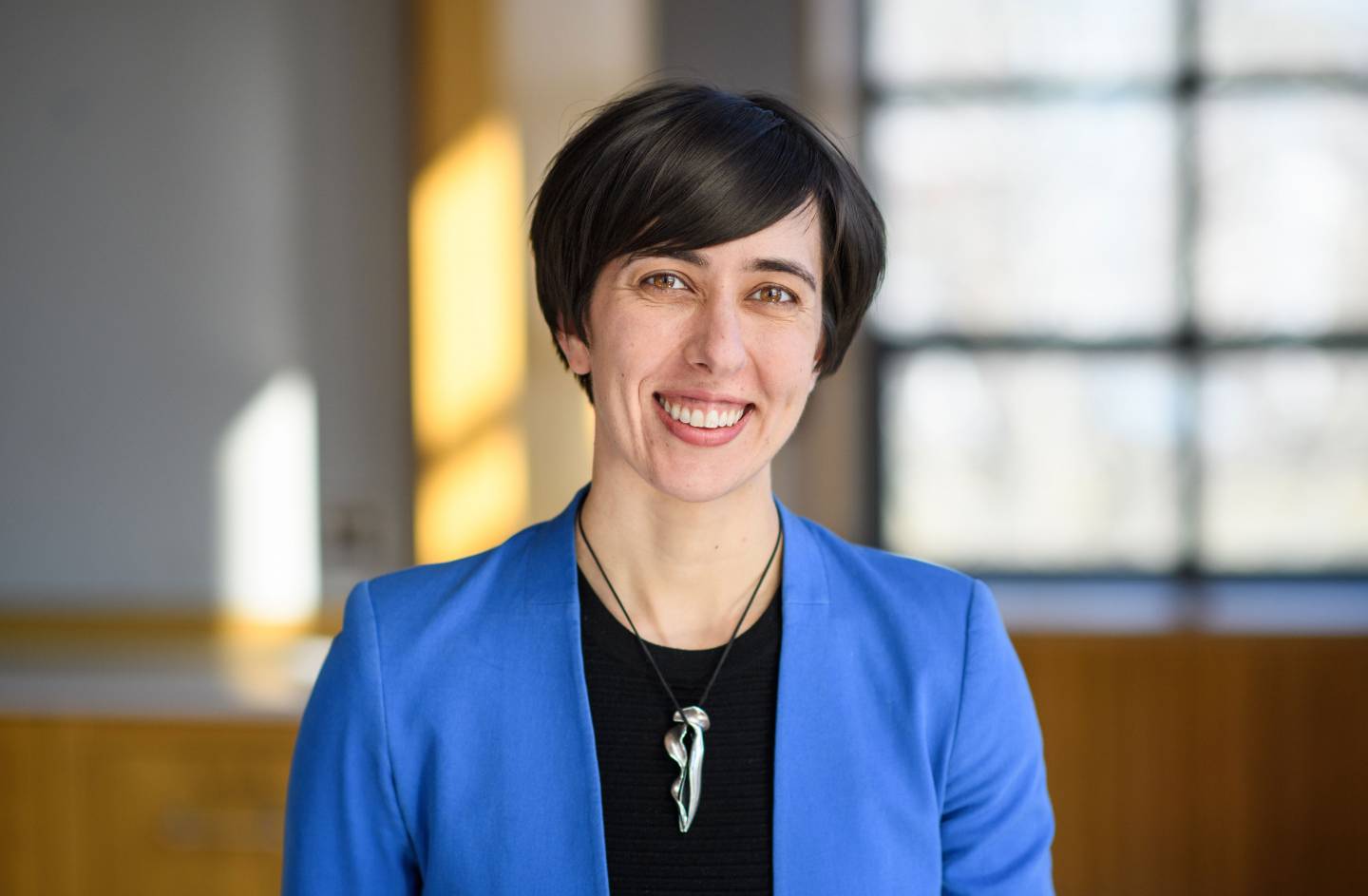
In some ways, both of the the­ses Prince­ton Uni­ver­sity senior Sofia Quin­odoz took on per­tain to an unseen and not fully under­stood action that is nonethe­less felt by those it afflicts, be it in the form of an infec­tion or the void of a loved one sud­denly erased.

As a mol­e­c­u­lar biol­ogy major, her pri­mary the­sis involves uncov­er­ing how bac­te­ria com­mu­ni­cate to coor­di­nate group behav­iors, such as their activ­ity inside a host organism.

The the­sis for her cer­tifi­cate in Latin Amer­i­can stud­ies focuses on how Argen­tine fam­i­lies remem­ber through


pho­tographs the vic­tims of the sur­rep­ti­tious gov­ern­ment per­se­cu­tion known as the Dirty War. The pho­tos are often the only rem­nant of peo­ple whose lives and deaths were con­sid­ered so incon­ve­nient that few records of either exist.

Quin­odoz has a per­sonal attach­ment to both of her projects. She grew up in Lans­dale, Pa., with her chemist mother and engi­neer father, who both emi­grated from Argentina in the mid-1980s. Influ­enced by her par­ents and an engag­ing high-school chem­istry teacher, she knew the scientist’s life was for her. This fall, she will begin pur­su­ing her Ph.D. in biol­ogy at the Cal­i­for­nia Insti­tute of Tech­nol­ogy with sup­port from a 2013 Gilliam Fel­low­ship from the Howard Hughes Med­ical Insti­tute and a National Sci­ence Foun­da­tion Grad­u­ate Research Fel­low­ship. She was one of nine recip­i­ents nation­wide selected to pro­mote diver­sity in the life sciences.

As a mol­e­c­u­lar biol­ogy major, Quinodoz’s pri­mary the­sis involves work­ing in the lab­o­ra­tory of her the­sis adviser and Squibb Pro­fes­sor of Mol­e­c­u­lar Biol­ogy Bon­nie Bassler to help unravel the processes behind the bac­te­r­ial com­mu­ni­ca­tion sys­tem known as quo­rum sens­ing. Quin­odoz wanted to iden­tify which pro­teins are impor­tant to this process and found four pro­teins that, if tar­geted med­i­c­i­nally, could impede a spe­cific set of bac­te­ria behav­ior. The Bassler lab will fol­low up on her work.

I got excited about sci­ence and have been going down that path ever since [high school],” Quin­odoz said. “Hav­ing my par­ents as role mod­els in the sci­ences helped me see myself as a scientist.”

Then there was what her par­ents — and most of her fam­ily, which still lives in Argentina — didn’t talk to her about: when a mil­i­tary junta ruled Argentina from 1976 to 1983. When as many as 30,000 peo­ple sus­pected of being left­ist gueril­las, activists and sym­pa­thiz­ers were killed or “dis­ap­peared,” van­ish­ing into a secret, nation­wide net­work of government-run deten­tion centers.

I was amazed that my par­ents never men­tioned that they grew up dur­ing that time,” Quin­odoz said. “It’s a very unpleas­ant time period to dis­cuss in Argentina. A lot of my fam­ily was sur­prised by my inter­est in that period because for them the Dirty War was always some­thing secre­tive and not some­thing to dis­cuss in pub­lic at the time.”

Prince­ton gave her a chance to pur­sue both of these seem­ingly unre­lated sub­jects, Quin­odoz said.

Part of why I came to Prince­ton was because I knew that I could get a strong research back­ground while pur­su­ing a lib­eral arts degree,” she said. “I knew that I wanted to major in the sci­ences, but I also was very inter­ested in the cul­ture and his­tory of Latin Amer­ica. I had spent sev­eral sum­mers in Argentina vis­it­ing my extended fam­ily, but never had a chance to learn about the his­tory of the coun­try that my par­ents are from.”


 quinodoz 2

Quin­odoz came to Prince­ton with an inter­est in chem­istry, but decided on biol­ogy after expe­ri­enc­ing it through the University’s Inte­grated Sci­ence pro­gram. She real­ized that she loved sci­en­tific research after work­ing in the bio­physics lab­o­ra­tory of Eva-Maria Schoetz, a for­mer Lewis-Sigler Fel­low in the Lewis-Sigler Insti­tute for Inte­gra­tive Genomics who is now at the Uni­ver­sity of California-San Diego.

I real­ized that as much as I enjoyed chem­istry prob­lems, I was fas­ci­nated by the research in biol­ogy,” Quin­odoz said. “Inte­grated Sci­ence intro­duced me to how com­plex and inter­est­ing the processes in cells and organ­isms are. I real­ized that I wanted to find out how cells make deci­sions and con­trol impor­tant activities.”

Since Feb­ru­ary 2012, she has worked in the lab­o­ra­tory of her the­sis adviser and Squibb Pro­fes­sor of Mol­e­c­u­lar Biol­ogy Bon­nie Bassler to help unravel the processes behind the bac­te­r­ial com­mu­ni­ca­tion sys­tem known as quo­rum sens­ing. The key focus of the Bassler lab is how bac­te­ria coor­di­nate behav­iors such as infec­tion. Inter­rupt­ing quo­rum sens­ing could prove to be an effec­tive treat­ment against bac­te­ria that cause dis­eases such as cholera.

Quo­rum sens­ing involves coor­di­nat­ing the activ­i­ties of hun­dreds of genes among a group of bac­te­ria and Quin­odoz wanted to iden­tify which pro­teins are impor­tant to this process. She fol­lowed up on a Bassler-lab dis­cov­ery that the dom­i­nant pro­tein behind quo­rum sens­ing, known as LuxR, con­trols about 600 genes in the bac­terium Vib­rio har­veyi, a marine-life pathogen and rel­a­tive of the cholera agent, V. cholerae. To under­stand how LuxR con­trols so many genes, Quin­odoz inves­ti­gated four pro­teins con­trolled by LuxR and found that they reg­u­late hun­dreds of genes. Treat­ments could tar­get these pro­teins as a way to impede a spe­cific set of behav­iors, as well as pre­clude the tedious task of focus­ing on each indi­vid­ual gene in a bacterium’s DNA that is con­trolled by quo­rum sens­ing, Quin­odoz said.

Bassler said her lab will fol­low up on Quinodoz’s research. As a sci­en­tist, she said, Quin­odoz shows patience and deter­mi­na­tion, as well as an abil­ity to use tech­niques and tech­nolo­gies that com­bine biol­ogy, chem­istry and physics.

Sofia found her niche and fell in love with this idea that Prince­ton is good at — that there are no bar­ri­ers between dis­ci­plines. She really embraced that and it excited her,” Bassler said.

The fun and tor­ture of biol­ogy is that you’re stuck in this morass of incom­plete knowl­edge,” Bassler said. “There were times when Sofia didn’t have the answer and muscling through those moments is the mark of a good sci­en­tist. She would try this or try that until she got the answers she needed. If that meant using biol­ogy today and physics tomor­row, she learned it her­self or asked a col­league and that’s the hall­mark of a great scientist.”

When pho­tos resurrect

Per­haps like quo­rum sens­ing, pho­to­graphic memo­ri­als for vic­tims of the Dirty War com­mu­ni­cate a mes­sage between coun­ter­parts. It’s a mes­sage that mourns loss while reject­ing that some­one was “lost,” as if removed with no trace or mem­ory. What these indi­vid­u­als meant and what they left behind do not just disappear.

Pho­tog­ra­phy is the best way of coun­ter­act­ing the clan­des­tine nature of the Dirty War,” Quin­odoz said.

I explored how Argen­tine soci­ety uti­lizes pho­tog­ra­phy to remem­ber the dis­ap­peared. Memo­ri­als have pho­tographs every­where, and photo albums are used to doc­u­ment a person’s entire life,” she said. “As these pho­tos recre­ate the life sto­ries of the dis­ap­peared, they high­light the fact that fam­ily mem­bers lost their broth­ers, sis­ters or even par­ents dur­ing the Dirty War. Pho­tos show that this absence is not just some­thing that hap­pened in the ‘70s — it’s still hap­pen­ing today. The pho­tos empha­size what’s been lost.”

With grants from Princeton’s Pro­gram in Latin Amer­i­can Stud­ies, Quin­odoz vis­ited for­mer detainees, vic­tims’ fam­i­lies and offi­cial memo­ri­als in Argentina and Chile this past sum­mer and winter.

Acknowl­edg­ing the dis­ap­peared is a task that indi­vid­u­als, artists and even the gov­ern­ment have under­taken, she said. Quin­odoz vis­ited the largest one-time deten­tion cen­ter, the Navy School of Mechan­ics, or ESMA, which was con­verted into a national memo­r­ial. She exam­ined the work of pho­tog­ra­phers such as Gus­tavo Ger­mano who empha­size the absence of the dis­ap­peared by “repho­tograph­ing” old pic­tures and fam­ily por­traits in the exact same loca­tion 30 years later — only with the dis­ap­peared miss­ing. She met with indi­vid­u­als who keep metic­u­lous scrap­books, and doc­u­mented pub­lic photo memo­ri­als con­structed by sur­vivors’ groups such as Moth­ers of the Plaza de Mayo.

Yet jus­tice is a delib­er­ate process: There’s an ongo­ing debate of whom to pros­e­cute, when to do it and for what crimes. Some fam­ily mem­bers work to keep alive mem­o­ries of peo­ple they never knew, Quin­odoz said. Peo­ple like Quin­odoz who did not lose any­one won­der what to say to those who did — if any­thing at all.

I won­dered, ‘Do you say you’re sorry?’” Quin­odoz said. “I talked to a woman whose par­ents dis­ap­peared when she was 3 years old, and she only got to know her par­ents through pho­tographs. I had to be care­ful not to label her as ‘a vic­tim.’ Through­out her whole life she strug­gled with the fact that her par­ents were dis­ap­peared because some peo­ple thought they were crim­i­nals, and yet those were her parents.”

The­sis adviser Susana Draper, an assis­tant pro­fes­sor of com­par­a­tive lit­er­a­ture, said that Quin­odoz ably cap­tured how Argen­tines have woven an array of pho­tos, rec­ol­lec­tions and ver­sions of events into a sin­gle col­lec­tive mem­ory. The three “ele­gantly titled” chap­ters of her the­sis bear the words that are key to the strug­gle to remem­ber and acknowl­edge the dis­ap­peared, Draper said: Mem­ory, Truth and Justice.

Quin­odoz “did a great job recon­struct­ing the story of how peo­ple remem­ber the dis­ap­peared mem­bers of their fam­ily in the present, in which the only phys­i­cal rem­nant is, some­times, a pho­to­graph,” Draper said. “Suc­cinct and brief, her study shows the ways in which pho­tog­ra­phy has been an essen­tial medium for the cre­ation and con­stant re-signification of a mem­ory of the dis­ap­peared at dif­fer­ent lev­els — the most per­sonal and the most public.”

Student Trip to Guatemala – December 2012

sv
Dur­ing Decem­ber 2012 five Prince­ton under­grad­u­ate stu­dents enrolled in LAS 401 Latin Amer­i­can Stud­ies: The Pol­i­tics of Eth­nic­ity in Latin Amer­ica trav­eled to Guatemala.  This trip, led by Pro­fes­sor Tim­o­thy J. Smith (Vis­it­ing Research Scholar in PLAS and Vis­it­ing Assis­tant Pro­fes­sor in the Depart­ment of Anthro­pol­ogy and PLAS), was spon­sored with the gen­er­ous sup­port of PLAS, the Depart­ment of Anthro­pol­ogy and the Fred Fox Fund.  Con­tinue read­ing

Dale winner, Flora Thomson-DeVeaux ’13, to follow writer’s footsteps across the Americas

Flora Thomson-DeVeaux

Flora Thomson-DeVeaux

Prince­ton Uni­ver­sity senior Flora Thomson-DeVeaux has met San­ti­ago Badar­i­otti Merlo again and again, in her courses and in her trav­els, though their paths have never crossed in real time.

Now Thomson-DeVeaux, the 2013 win­ner of the Mar­tin Dale Fel­low­ship, will spend the next year trac­ing the but­ler and writer’s foot­steps across the Amer­i­cas. She will delve deeper into his life and writ­ing, which inter­sect with sev­eral themes over the course of the 20th cen­tury — the rise and decline of two of Latin America’s biggest cities, eco­nomic and class his­tory, and atti­tudes about homo­sex­u­al­ity. She plans to turn her senior the­sis on Badar­i­otti Merlo, who was born in 1912 and died in 1994, into a full-length book.

Con­tinue Reading

Three students win Labouisse Prize for projects in Sierra Leone and Brazil

Courtney Crumpler

Court­ney Crumpler

Three Prince­ton Uni­ver­sity seniors have been awarded the Henry Richard­son Labouisse ’26 Prize to spend one year pur­su­ing inter­na­tional civic engage­ment projects after grad­u­a­tion. The $30,000 prize will sup­port a joint ini­tia­tive by Shirley Gao and Raphael Frank­furter in Sierra Leone, and a project by Court­ney Crum­pler in Brazil.

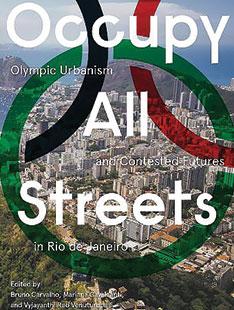
The award to Gao and Frank­furter will aid their work to develop a mater­nal health coor­di­na­tion cen­ter in east­ern Sierra Leone. Crumpler’s prize will sup­port her efforts to bol­ster com­mu­nity orga­niz­ing in under­served com­mu­ni­ties in Rio de Janeiro in advance of the 2014 World Cup finals and 2016 Olympics there.

The Labouisse Prize enables grad­u­at­ing seniors to engage in a project that exem­pli­fies the life and work of Henry Richard­son Labouisse, a 1926 Prince­ton grad­u­ate who was a diplo­mat, inter­na­tional pub­lic ser­vant and cham­pion for the causes of inter­na­tional jus­tice and inter­na­tional devel­op­ment. The prize was estab­lished in 1984 by Labouisse’s daugh­ter and son-in-law, Anne and Mar­tin Peretz.

Con­tinue Reading

News from Firestone Library

From Ñ

Fer­nando Acosta-Rodriguez,
From “Ñ”

Dear PLAS friends,

I’d like to share with you the link to an arti­cle that appeared this week­end in Ñ, the cul­tural sup­ple­ment of the Argen­tine daily Clarín.  It’s titled “La memo­ria de la lit­er­atura lati­noamer­i­cana” and high­lights Fire­stone Library’s exten­sive col­lec­tion of archives, cor­re­spon­dence, man­u­scripts and other mate­ri­als by Latin Amer­i­can and Caribbean authors and intellectuals. 

Also in the issue is a text by Rubén Gallo about Severo Sar­duy in Prince­ton, enti­tled “Un cubano en Prince­ton.”

For addi­tional infor­ma­tion about Latin Amer­i­can spe­cial col­lec­tions at Prince­ton, please visit http://libguides.princeton.edu/latinam_iberian_primary.

Fer­nando Acosta Rodriguez
Librar­ian for Latin Amer­i­can Stud­ies, Fire­stone Library
Prince­ton University

João Biehl, PLAS Associated Faculty Member, to Receive Staley Prize

Joao_Biehl-m1João Biehl, the Susan Dod Brown Pro­fes­sor of Anthro­pol­ogy, has been selected to receive the 2013 J.I. Sta­ley Prize for his book “Vita: Life in a Zone of Social Aban­don­ment.” The prize is given annu­ally by the School for Advanced Research for a book that rep­re­sents the best writ­ing and schol­ar­ship in anthro­pol­ogy. The Sta­ley Prize panel called the work “a land­mark of anthro­po­log­i­cal writ­ing, human­iz­ing in the most lit­eral sense.” Biehl, who also co-directs the Pro­gram in Global Health and Health Pol­icy, will receive the prize, which is accom­pa­nied by a $10,000 award, on Nov. 21 at the meet­ings of Amer­i­can Anthro­po­log­i­cal Asso­ci­a­tion in Chicago.
(From http://www.princeton.edu/main/news/archive/S36/18/21Q32/index.xml?section=people)

Laura Gandolfi — One of four to win Jacobus Fellowship, top graduate student honor

Photo by Tommy AgostiniPrince­ton Uni­ver­sity grad­u­ate stu­dents Angéle Christin, Laura Gan­dolfi, George Young and Jiay­ing Zhao have been named co-winners of the Porter Ogden Jacobus Fel­low­ship, Princeton’s top honor for grad­u­ate stu­dents. The fel­low­ships sup­port the final year of study at Prince­ton and are awarded to stu­dents whose work has exhib­ited the high­est schol­arly excellence. 

Read full story

Exciting Spring 2013 Course by James Green

James N. GreenJames N. Green is Pro­fes­sor of His­tory and Brazil­ian Stud­ies and a spe­cial­ist on mod­ern Brazil­ian his­tory. As a young adven­turer he trav­eled to Latin Amer­ica with the plan to stay in Brazil for six months and ended up stay­ing six years. There he par­tic­i­pated in the oppo­si­tion to the mil­i­tary regime and was a founder of the LGBT move­ment. After many other careers, he returned to acad­e­mia to get a doc­tor­ate in Latin Amer­i­can his­tory at UCLA. He has pub­lished two award-winning books, Beyond Car­ni­val: Male Homo­sex­u­al­ity in Twentieth-Century Brazil and We Can­not Remain Silent: Oppo­si­tion to the Brazil­ian Mil­i­tary Dic­ta­tor­ship in the United States. He has served as the Pres­i­dent of the Brazil­ian Stud­ies Asso­ci­a­tion and is cur­rently work­ing as a con­sul­tant with the Brazil­ian National Truth Com­mis­sion that is inves­ti­gat­ing the State’s vio­la­tion of human rights dur­ing the mil­i­tary dic­ta­tor­ship. He is cur­rently work­ing on a biog­ra­phy of Her­bert Daniel (1946–92), a for­mer guer­rilla fighter, along­side Brazil’s cur­rent pres­i­dent Dilma Rouss­eff, polit­i­cal exile, and AIDS activist.

In Spring 2013 he will be teach­ing:
LAS 403 Latin Amer­i­can Stud­ies Sem­i­nar — Politics/Culture Dur­ing the Brazil­ian Mil­i­tary Dic­ta­tor­ship
This sem­i­nar focuses on the polit­i­cal, social, eco­nomic, and cul­tural changes that took place in Brazil dur­ing the civilian-military dic­ta­tor­ship that ruled the coun­try from 1964–85. Using pri­mary and sec­ondary sources, as well as films and doc­u­men­taries, we will exam­ine why and how the gen­er­als took power, the role the U.S. gov­ern­ment played before and after the coup d’etat in Brazil­ian affairs, the mul­ti­ple polit­i­cal and cul­tural forms of oppo­si­tion that emerged to chal­lenge author­i­tar­ian rule, the process that led to democ­ra­ti­za­tion, and Brazil’s new role as a global player and an eco­nomic pow­er­house. Pre­req­ui­sites and Restric­tions: This course is open to under­grad­u­ate stu­dents and grad­u­ate stu­dents who ful­fill one of the fol­low­ing require­ments: (a) the stu­dent has inter­me­di­ate knowl­edge of Por­tuguese; (b) the stu­dent has taken at least one pre­vi­ous course in mod­ern Latin Amer­i­can his­tory or a class related to Brazil; © the stu­dent has spent time in Brazil; (d) the stu­dent is con­vinc­ingly moti­vated to learn about recent Brazil­ian his­tory.
Sched­ule: S01 1:30pm-4:20 Th.

PLAS Home Page
PLAS Spring ’13 Course List

Princeton’s João Biehl explores consequences of Brazil’s constitutional right to health

In 2010, Edgar Lemos, a retired bus dri­ver in Porto Ale­gre, Brazil, sued his gov­ern­ment for fail­ing to pro­vide med­ica­tion to treat his neu­ro­log­i­cal dis­or­der. It was his priv­i­lege to do so: Brazil and more than 100 other nations grant the right to health, which in Brazil has given rise to numer­ous law­suits against the gov­ern­ment for access to med­i­cines of all kinds.

Prince­ton Uni­ver­sity anthro­pol­ogy pro­fes­sor João Biehl has doc­u­mented the emer­gence of right-to-health lit­i­ga­tion in that coun­try over the past decade. Through vis­its to court­rooms and clin­ics to meet patients and record their sto­ries, com­bined with rig­or­ous eval­u­a­tion of med­ical and legal data, Biehl, a native of Brazil, and his research team have cre­ated a detailed pic­ture of who sues for treat­ment and why in this coun­try of about 200 mil­lion peo­ple and an econ­omy on the rise.

Con­tinue Reading